Trees do a lot of good. They cool our neighborhoods, provide shelter for wildlife, improve air quality, and make yards and parks more inviting. But while most trees are perfectly safe, a few have a reputation for causing problems that many people don’t expect.
Some have brittle branches that can fall without warning. Others produce toxic sap or fruit, spread aggressively, or develop root systems that damage sidewalks, driveways, and even home foundations. A few can pose health risks to people and pets.
If you’re choosing a tree for your yard or spending time outdoors, it’s worth knowing which species deserve a little extra caution. Here are 15 trees and tree-like plants found across the United States that can create unexpected hazards.
Mimosa Tree
The mimosa tree is easy to recognize by its soft, fern-like leaves and fluffy pink flowers. While it looks attractive in the landscape, its wood is fairly weak and branches can snap during strong winds or heavy rain. In many parts of the country, it also spreads quickly, making it difficult to keep under control.
Related Article: 15 Surprisingly Dangerous Trees Found Across the U.S.
Black Walnut
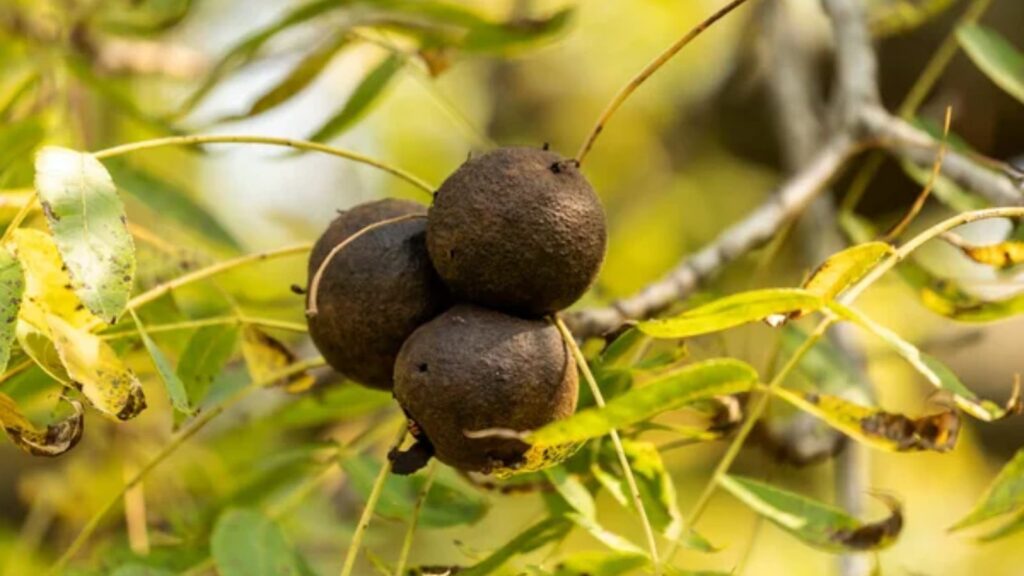
Black walnut trees produce a natural chemical called juglone, which is released through their roots, leaves, and fallen nuts. Many common garden plants struggle to grow nearby because of it. If you enjoy gardening, planting a black walnut too close to flower beds or vegetable gardens can create ongoing problems.
Bradford Pear
Bradford pear trees were once a favorite choice for suburban landscaping because they grow quickly and bloom with masses of white flowers each spring. Over time, many homeowners discovered one major flaw: the branches split apart very easily. Storms, strong winds, and even heavy snow can leave these trees badly damaged. They have also become invasive in many states.
Australian Pine
Despite its name, the Australian pine isn’t a true pine tree. It grows fast, but its shallow root system makes it more likely to topple during hurricanes and severe storms. In coastal areas, it has spread aggressively and pushed out many native plants.
Related Article: These 8 Popular Trees Are Known for Aggressive Roots—and Costly Repairs
Eastern Cottonwood
Eastern cottonwoods grow into massive shade trees in a relatively short amount of time. The downside is their brittle wood. Large limbs can break without much warning, especially during windy weather, creating a safety concern for nearby homes, vehicles, and walking paths.
Tree-of-Heaven
Tree-of-heaven has earned a reputation as one of the country’s most troublesome invasive trees. It grows almost anywhere, spreads through underground roots, and quickly produces new shoots after being cut down. Its aggressive root system can also damage pavement, retaining walls, and building foundations.
Box Elder
Box elder trees are fast growers, but they often develop weak branches as they mature. They’re also vulnerable to insects and disease, which can make them even more unstable. Many homeowners also dislike them because they attract large numbers of box elder bugs.
Honey Locust
Some varieties of honey locust produce long, sharp thorns that can reach several inches in length. These thorns are tough enough to puncture bicycle tires, damage lawn equipment, and cause painful injuries to people and animals. Thornless varieties are much safer for residential landscapes.
Related Article: 8 Trees With Aggressive Roots That Can Lift Pavement and Damage Your Property
Silver Maple
Silver maples provide shade quickly, which explains why they’ve been planted for decades. Their fast growth comes with a tradeoff. The wood is fairly brittle, making large branches more likely to break during storms. Their shallow roots can also lift sidewalks, crack driveways, and interfere with underground pipes.
Oleander
Oleander is widely grown in warmer parts of the country because of its colorful flowers and ability to handle dry conditions. Every part of the plant contains toxic compounds, including the leaves, flowers, stems, and sap. Swallowing even a small amount can be dangerous for people, pets, and livestock.
Black Locust
Black locust trees spread quickly through underground root sprouts, allowing them to take over open areas if left unchecked. The bark, leaves, and seeds contain toxic compounds that can make people and animals sick if eaten. In many places, the tree crowds out native vegetation.
Related Article: 12 Beautiful Flowers That Mark the Arrival of Spring
Ponderosa Pine
Ponderosa pines are towering trees found throughout the western United States. While they’re an important part of many forests, their needles and bark can be harmful to livestock, especially pregnant cattle. Older trees can also become weakened by insects and disease, increasing the chance of falling limbs.
Manchineel Tree
The manchineel tree is considered one of the most dangerous trees on Earth. It grows naturally in parts of southern Florida and the Caribbean. Its milky sap can cause painful skin burns, and standing beneath the tree during rain can expose people to the dripping sap. Even its apple-like fruit is highly poisonous if eaten.
Poison Sumac
Poison sumac grows in swamps, wetlands, and other damp areas. Like poison ivy and poison oak, it contains urushiol, an oily substance that causes itchy rashes and painful blisters after skin contact. Many people develop an even stronger reaction to poison sumac than they do to poison ivy.
Giant Hogweed
Although giant hogweed is technically a giant flowering plant rather than a tree, it deserves a place on this list because of the serious injuries it can cause. Its sap reacts with sunlight and can leave severe burns, blisters, and long-lasting skin sensitivity. If the sap gets into the eyes, it can even affect vision. Because of these risks, several states actively work to remove giant hogweed wherever it appears.
Other Topics You Might Like
- If a neighbor’s tree falls on your home in California, who is responsible?
- Need to Block a Neighbor’s View of Your Yard? Here’s How to Do It Without Starting a War
- If a fence falls between neighbors in California, who is responsible for repairs?
- If You Spot These Vintage Garden Peices at a Garage Sale, Grab Them Fast