Getting older comes with plenty of changes one would normally expect. We know our bodies may slow down, retirement will eventually arrive, and our lives probably won’t look exactly the same at 70 as they did at 40.
But some of the harder changes aren’t necessarily physical. Friendships change, grown children build lives of their own, familiar routines disappear, and independence can start to look different.
Here are 10 emotional struggles that can quietly become part of getting older.
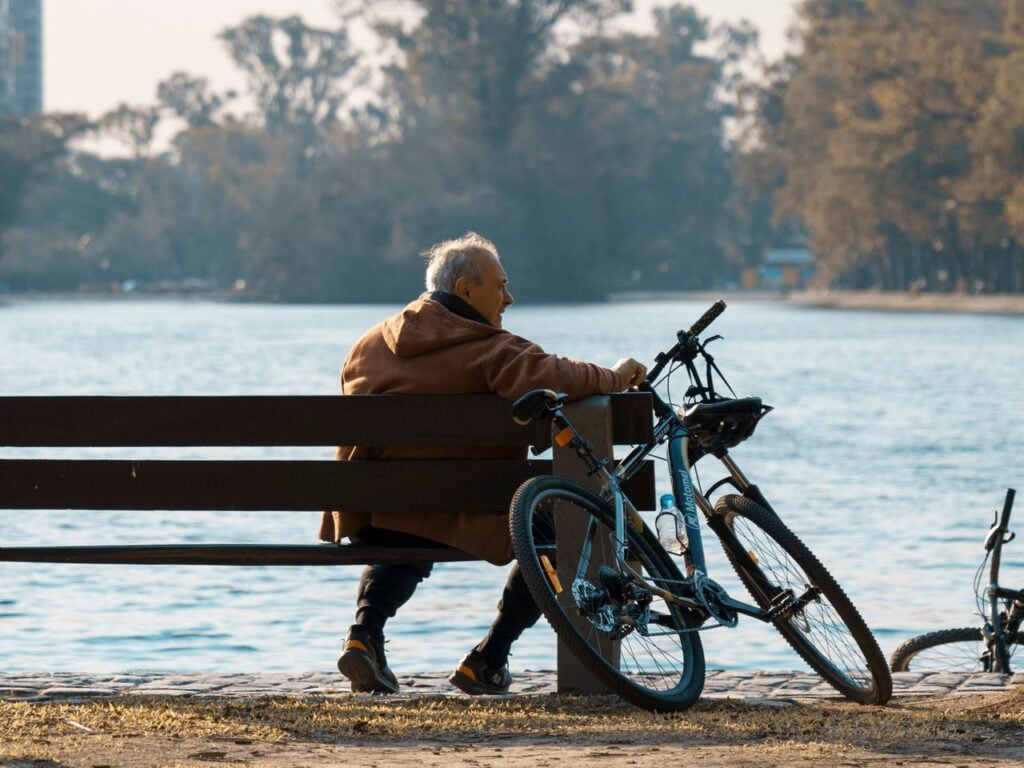
Feeling Lonely Even When You’re Not Alone
Your social circle can slowly become smaller as friends move away, loved ones pass on and retirement removes the everyday conversations you once had at work. You may still have people who love you, but you may miss the regular companionship that used to be a much bigger part of your life.
Losing Independence and Worrying About Becoming a Burden
Needing help with driving, errands, finances or everyday things around the house can be difficult when you’ve spent most of your life taking care of yourself and others.
What can make it even harder is worrying that asking for help is becoming a burden on your children or family, even when they’re more than willing to be there for you.
Watching Your Body and Mind Change
It can be unsettling when your body doesn’t move quite like it used to or you start forgetting things that once came easily. Even small changes in strength, energy or memory can leave you wondering whether they’re simply part of getting older or a sign of what may be ahead.
Feeling Like You’re Losing Your Identity and Place in the World
Retirement can be a strange adjustment when your career, responsibilities and daily routine have been part of who you are for decades. At the same time, getting older can sometimes leave you feeling overlooked or less valued, making you wonder where you fit and what gives your life purpose now.
Losing Loved Ones and Thinking About Your Own Mortality
Losing a spouse, sibling or friend you’ve known for decades can feel like losing a piece of your own history, especially as those losses begin happening more often. It can also make you more aware of your own mortality and leave you thinking differently about how much time you have left and how you want to spend it.
Looking Back With Regret
With decades behind you, there’s plenty of time to wonder what might have happened if you’d taken the other job, repaired a relationship or made a completely different decision.
Most people have things they would change if they could, but getting stuck in those “what ifs” can make it harder to appreciate what is still ahead.
Related: 13 Purchases People Regret Almost Immediately After Buying
Worrying About Running Out of Money
Retirement can turn money worries into something much bigger because there may no longer be another paycheck next month to cover an unexpected expense. Watching prices rise while trying to make savings last for an unknown number of years can create financial anxiety that’s hard to switch off.
Navigating a Changing Relationship With Your Adult Children
The parent-child relationship can get complicated when grown children suddenly become the ones offering advice, checking medications or questioning whether Mom or Dad should still be driving.
Both sides may mean well, but switching roles after decades of doing things the other way around can bring frustration, guilt and resentment that families don’t always know how to discuss.
Related: Mom Refuses to Babysit Grandkids for Free — Says “I’m a Grandparent, Not a Free Nanny”
Feeling Left Behind by a World That Keeps Changing
Just when you finally learn one phone, app or website, something gets updated and you’re expected to figure it out all over again. When banking, medical appointments, bills, and even everyday communication move online, constantly having to catch up can leave some older adults frustrated or increasingly disconnected.
Struggling With What Aging Means for Your Quality of Life
Most of us hope to live a long life, but getting older can bring complicated feelings about what those extra years might actually look like. Health problems, losing independence or no longer being able to do the things you enjoy can leave you thinking less about how long you live and more about how you want to live.