When I first started gardening, I treated every piece of advice like a rule I had to follow. Water at this time. Plant on this date. Keep the beds tidy. If I read it in a gardening book or heard it from another gardener, I assumed there was a good reason for it.
After a few growing seasons, I started to see things differently. Gardens don’t always cooperate with a calendar or a list of instructions. What works beautifully in one yard can fall flat in another because the soil, weather, sunlight, and plants are all different.
Some of the advice that helped me most was the advice that sounded a little strange at first. A few of these ideas went against things I’d always been told, but they ended up saving me time and making gardening feel much easier.
Here are some of the gardening rules I’ve learned I don’t always need to follow.
Let Your Garden Be a Little Messy
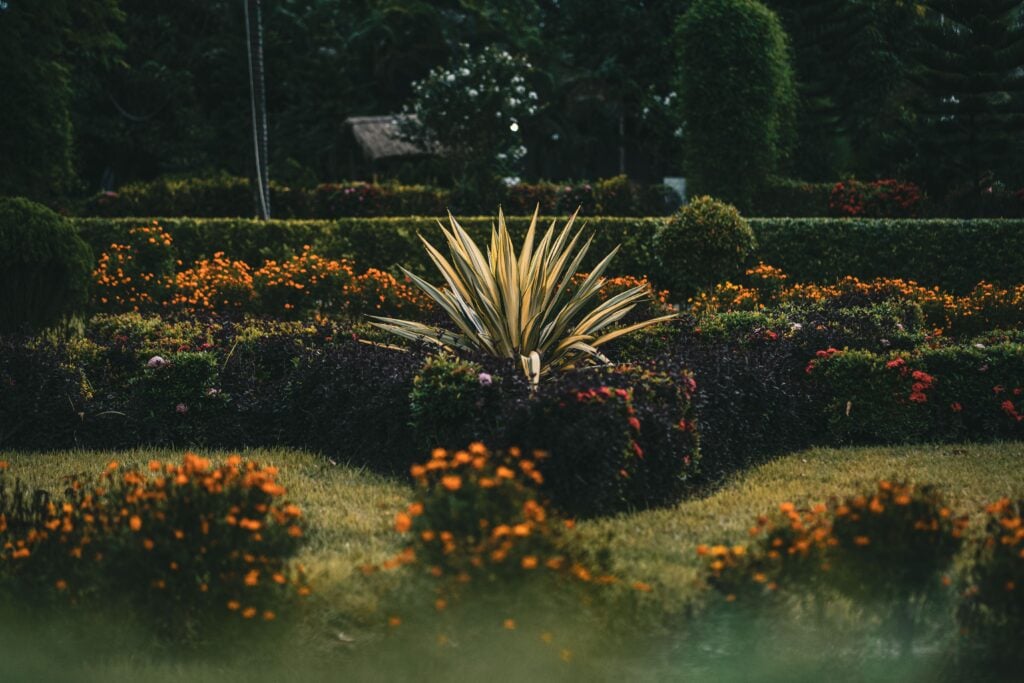
I used to think a good garden had to look neat all the time. Every weed needed pulling, every fallen leaf needed raking, and the edges had to stay clean. Eventually, I stopped worrying so much about making everything look perfect.
Leaving a few leaves, letting some flowers go to seed, and allowing parts of the garden to grow a little wild can give insects and other small creatures places to live and feed. A garden with some natural mess can also have more organic material returning to the soil.
There’s a difference between an overgrown garden and one that’s simply allowed to look a little natural. You don’t have to clean up every leaf or pull every plant that wasn’t part of your original plan.
Mix Herbs and Flowers Together
I used to picture herbs, vegetables, and flowers in separate sections of the garden. There’s nothing wrong with that setup, but mixing them together can make better use of the space and bring more variety to a planting bed.
Herbs such as basil, rosemary, and lavender can add fragrance, while flowers give pollinators another reason to visit. Some flowers also attract insects that feed on garden pests. Planting different types of plants together can make a bed feel more like a small, living community rather than rows of a single plant.
Don’t Assume More Fertilizer Is Better
It’s easy to think that if a little fertilizer helps plants grow, more must help even more. That’s not always the case. Too much fertilizer can cause excessive leafy growth and may contribute to problems with roots, nutrient balance, and plant health.
I’ve found that taking care of the soil is often a better place to start. Compost, aged manure, leaves, and other organic materials can add nutrients and improve soil quality. If plants are struggling, a soil test can help you figure out whether they actually need more nutrients before you start adding fertilizer.
Watch the Weather Instead of the Calendar
Planting calendars are useful, but they can’t predict exactly what your garden will experience each year. One spring might be warm and dry, while the next could bring cold nights well into the season.
Instead of planting just because a calendar says it’s time, I pay attention to the weather and soil conditions. Soil temperature can matter more for some seeds than the date on the calendar, and a late frost can quickly change plans.
A calendar gives you a starting point. Your actual garden gives you the rest of the information.
Talk to Your Plants
Talking to plants might sound silly, but I think there’s a practical reason this old habit has stuck around. Spending time talking to your plants usually means you’re spending more time looking closely at them.
You might notice a few chewed leaves, a wilted stem, yellowing foliage, or a new pest before the problem gets worse. Whether the plants care about the conversation is another question, but paying attention to them certainly helps.
And sometimes sitting in the garden and talking out loud is simply a nice way to slow down for a few minutes.
Water When Plants Need It
Morning is often a good time to water because temperatures are cooler and evaporation is lower. But that doesn’t mean a plant that’s wilting in the afternoon should wait until the next morning just because of a watering rule.
If a plant is clearly struggling during a hot spell, check the soil and water it if needed. Plants in containers can dry out much faster than those growing in the ground.
Rather than watching the clock, I check the soil and the plants. That tells me much more than a strict watering schedule ever did.
Use Coffee Grounds Carefully
Coffee grounds have become a popular garden tip, but they’re easy to overdo. Used grounds contain organic matter and some nutrients, including nitrogen, but piling large amounts directly around plants isn’t a good idea.
I usually add them to compost piles instead. Once they’re mixed with other compost materials, they become part of a much more balanced growing medium.
If you do add grounds directly to the garden, keep the layer thin and mix them into the soil rather than creating a thick blanket around your plants.
Experiment with Soil Blends
There’s a lot of advice on finding the perfect soil mix, but there isn’t a single recipe that works for every plant. A cactus, a tomato plant, and a leafy green don’t all want exactly the same growing conditions.
I learned to pay attention to drainage, moisture, and the type of plants I’m growing instead of trying to make every bed identical. Adding compost or other organic material can help some soils, while other situations may call for changes that improve drainage or reduce compaction.
If you’re filling a raised bed, start with what you already know about the space and the plants you’ll grow. This guide to finding the right soil for raised beds offers some useful tips for getting started without spending a fortune.
Let Beneficial Insects Help
My first instinct when I spotted an insect on a plant used to be reaching for something to get rid of it. After a while, I learned to stop and figure out what I was actually looking at.
Ladybugs, lacewings, spiders, and parasitic wasps can all feed on insects that damage plants. Killing every bug you see can also remove the insects that were helping you deal with the pests.
Now I give unfamiliar insects a little time before deciding they belong in the garden or need to be removed. A garden with a variety of insects can sometimes handle minor pest problems on its own.
Rotate Crops Each Season
Crop rotation isn’t just for large farms. It can also make sense in a backyard vegetable garden, even if you’re working with a few small beds.
Planting the same crop in the same spot year after year can allow certain pests and diseases to stick around. Different crops also take different nutrients from the soil. Moving tomatoes, peppers, beans, greens, and other vegetables around gives the soil a break and can help prevent recurring problems.
You don’t need a complicated plan. Even keeping a basic record of where you planted things this year can make next year’s rotation easier.
Prune With a Lighter Touch
I used to think pruning meant cutting a plant back as much as possible. I’ve since learned that more cutting isn’t always better.
Removing dead, damaged, or diseased growth makes sense, but healthy branches don’t always need to be removed just because they make the plant look untidy. Heavy pruning can also put unnecessary stress on some plants.
Before making a cut, I ask myself whether the branch actually needs to go. Sometimes leaving a healthy plant alone is the better choice.
Leave Some Leaves Behind
A yard covered in leaves can make you feel like you need to grab the rake immediately. But leaves are useful organic material, and they don’t have to end up as trash every fall.
Shredded or partially broken-down leaves can be used as mulch and eventually return organic matter to the soil. They also provide cover for insects and other small creatures during colder months.
I still clear leaves away from places where they could cause problems, but I don’t try to remove every single one from my garden beds.
Grow Plants You Truly Enjoy
A lot of beginner gardening advice focuses on easy plants, and there’s a good reason for that. Starting with forgiving plants can make those first few seasons less frustrating.
Still, I think there’s room for a few plants that simply make you happy. Maybe it’s a flower you’ve always loved, a herb you use in the kitchen, or a vegetable you’ve been wanting to try.
Some plants may take more work than others, but growing something you’re excited about gives you a reason to keep checking the garden and learning as you go.
Take Time to Enjoy the Garden
It’s easy to turn gardening into a long list of chores. Water the plants, pull the weeds, check for pests, harvest the vegetables, prune the flowers, and start all over again.
But the garden doesn’t always need you to be doing something. Sometimes the best thing you can do is sit outside for a while and enjoy it.
Watch the bees move from flower to flower, pick a ripe tomato, smell the herbs, or just sit with a cup of coffee. The work matters, but having a garden you actually enjoy spending time in matters just as much.
Other Topics You Might Like
- If a neighbor’s tree falls on your home in California, who is responsible?
- Need to Block a Neighbor’s View of Your Yard? Here’s How to Do It Without Starting a War
- If a fence falls between neighbors in California, who is responsible for repairs?
- If You Spot These Vintage Garden Peices at a Garage Sale, Grab Them Fast