You’re browsing the kitchen aisle at Goodwill when you spot a set of plates you love, a vintage coffee mug, or a cast-iron skillet at a price that’s hard to pass up. Everything looks clean enough on the shelf, but there’s one question worth asking before you bring it home: Has anyone actually washed it?
The safest assumption is that the store hasn’t washed or sanitized donated kitchenware. Some items may arrive freshly cleaned by their previous owners, while others may have been sitting in a cupboard, garage, or donation box for months. Either way, a dish that looks clean isn’t necessarily ready to use.
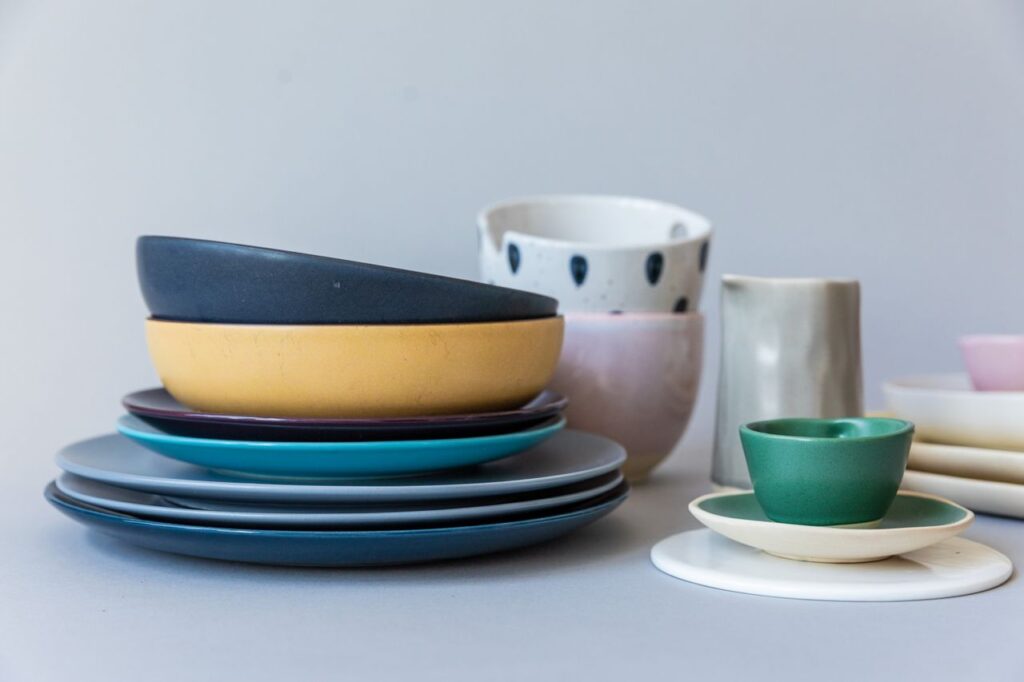
So, does Goodwill wash dishes before putting them on the shelves?
Goodwill receives a wide range of donated kitchen items, from everyday plates and drinking glasses to pots, pans, and small appliances. With so many donations to sort and price, shoppers shouldn’t expect every item to be thoroughly washed before it reaches the sales floor.
Cleaning practices vary by store, so even if a location wipes down some items, that doesn’t guarantee everything on the shelf has been washed.
Related: 10 Things I Would Never Buy Used at Goodwill
What happens to kitchenware after someone donates it?
When someone drops off a box of dishes or cookware, staff sort the items to decide what can be offered for sale. A store may check for obvious damage and decide which pieces suit its shelves, but sorting an item for resale isn’t the same as cleaning it for food use.
That’s why you might find a spotless-looking dinner plate next to a baking dish with a little residue around the edges. The condition of donated kitchenware depends partly on how the previous owner cared for it and what happened to it before it reached the store.
A price tag or a place on the shelf doesn’t tell you when an item was last washed.
What about mugs, drinking glasses, and cookware?
The same rule applies whether you’re buying a coffee mug, a set of wine glasses, or a secondhand frying pan: plan to clean it at home before using it.
Mugs and glasses can have residue around their rims or in hard-to-reach areas, while cookware may have grease or food buildup around handles, lids, and seams. Take a close look at those spots before buying so you know what you’re bringing home.
For everyday, dishwasher-safe dishes and glasses, a thorough wash at home is usually a straightforward first step. Follow the manufacturer’s care instructions when available, particularly for delicate vintage pieces, wooden items, and cookware that requires special cleaning.
Check for more than dirt before buying
Washing is important, but it won’t fix every problem with secondhand kitchenware. Before heading to the register, inspect plates and mugs for chips, cracks, and damaged handles. Check pots and pans for warped bottoms, loose parts, and worn or flaking cooking surfaces.
Be especially careful with older decorative dishes or pieces of unknown origin. A vintage plate can be beautiful but not suitable for serving food, and cleaning it won’t answer whether its glaze or decoration is food-safe.
If you can’t confirm a piece is safe for food use, consider displaying it instead.
Do other thrift stores wash donated dishes?
Policies differ from one thrift store to another. Some organizations ask donors to wash kitchen items before dropping them off, while smaller shops may have their own procedures for cleaning or inspecting donations.
That doesn’t mean every donated item arrives clean or receives another wash before being sold. Whether you shop at Goodwill, a local charity shop, or an estate sale, it’s sensible to treat secondhand dishes and cookware as items that need cleaning before their first use in your kitchen.