A home break-in usually isn’t anything like the scenes you see in movies. A burglar who gets inside is often looking for a quick way to grab easy-to-find valuables and leave before anyone notices.
That’s why the first places they check tend to be the ones everyone already thinks about: nightstands, jewelry boxes, bedroom closets, mattresses, and medicine cabinets. If you keep cash, passports, jewelry, or other valuables in those spots, they may be among the first things someone looks through.
You don’t necessarily need an expensive safe for every small item you want to keep out of sight. A less obvious storage spot can make something harder to find during a quick search, especially if it looks like an ordinary household item.
Here are 15 places around the house that may be less obvious than the usual hiding spots.
Hollowed-Out Book
A thick hardcover book can blend right in with the rest of a bookshelf. A hollow compartment inside can hold folded cash, small pieces of jewelry, or other compact items.
Pick a book that has little personal or collector value so you won’t miss it if you move things around later. A random old book that has been sitting on the shelf for years is less likely to attract attention than a rare first edition or a favorite family book.
Related: Say What? People are Freezing their thrifted books
Old Food Containers in the Pantry
The pantry is full of ordinary containers, making it easy for a small item to disappear into the clutter. An empty cereal box, coffee container, or rice bag could hold a sealed pouch containing something small.
Use a clean, waterproof pouch or container inside the food packaging to prevent moisture and spills from damaging what you’re storing. Just be careful not to accidentally throw the container away during a pantry cleanout.
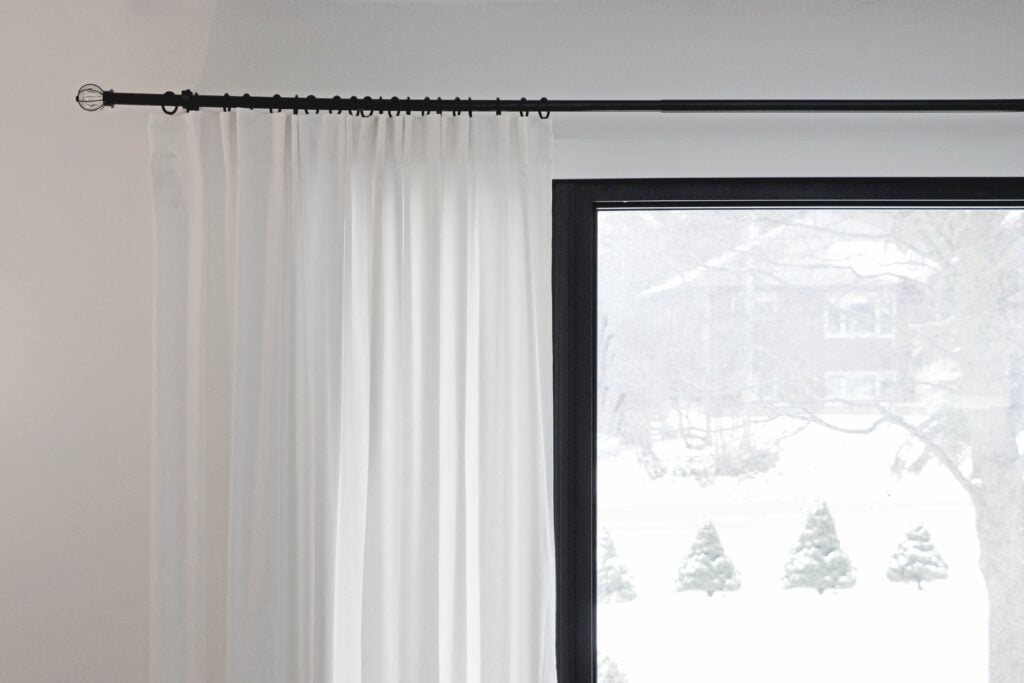
Curtain Rod
Some curtain rods are hollow inside, leaving room for small, lightweight items. If the end cap can be removed without damaging the rod, a rolled-up bill or similarly small item may fit inside.
This is better suited to small valuables rather than anything bulky or heavy. Before using a curtain rod this way, make sure the item won’t rattle around or affect how securely the rod is mounted.
False Bottom Drawer
A false bottom creates a second layer inside a drawer, leaving a small space underneath the visible bottom. From a quick glance, the drawer looks completely normal.
This type of compartment can work for folded cash, small jewelry, or documents that fit the available space. A drawer you rarely use is a better choice than one you open several times a day.
Related: 12 Items You Should Not Keep In Your Junk Drawer
Fake Air Vent
Some decorative vents are made with hidden storage compartments behind them. From across the room, they can look like an ordinary wall vent instead of a storage container.
If you use one, make sure it is a decorative storage product and not a real heating, cooling, or ventilation opening. Never block an actual air vent just to create storage space.
Picture Frame With Hidden Space
Picture frames can have more room behind the backing than you might expect. A frame with a shallow hidden compartment can hold folded bills, small documents, or other flat items.
Choose a frame that looks like it belongs in the room. A frame that is unusually heavy, bulky, or out of place could draw more attention than a regular one.
Freezer Decoy Package
The freezer is packed with everyday food, so a sealed container tucked among ordinary frozen items may not stand out during a quick search. One option is to place a small item in a waterproof pouch inside an empty frozen-food package.
Use something you’re unlikely to mistake for food later. Labeling the item discreetly for yourself can also prevent an accidental trip to the trash.
Under the Soil of a Potted Plant
A sturdy houseplant that rarely gets moved can provide a small amount of hidden space. A waterproof container buried below the surface of the soil can hold a few small items while leaving the plant looking completely normal from above.
This works best for things that won’t be damaged by temperature changes or occasional moisture. Skip plants that you regularly move, repot, or give to someone else.
Inside an Unused Toy
Old toys and stuffed animals can look like ordinary clutter, especially if they have been sitting in a closet or storage area for years. A toy with a hidden compartment can hold a small amount of cash or another compact item.
Pick something you won’t accidentally donate during a cleanup. It also helps to avoid using a favorite childhood toy that other family members might move or inspect.
Loose Floorboard
A removable floorboard can provide hidden storage underneath hardwood flooring, but this one takes more work than most of the ideas on the list. It also needs to be done carefully so the floor still looks normal afterward.
A low-traffic area may make more sense than a spot everyone walks over every day. Since modifying flooring can cause damage if done poorly, this is better left to someone who knows how to work with the existing floor.
Fake Wall Socket
There are storage products made to resemble electrical outlets while providing a small compartment behind the faceplate. When installed properly, they can look similar to the other outlets in the room.
Only use a product that is specifically made for storage. Never remove or modify a functioning electrical outlet to create a hiding place, since that can create a serious electrical hazard.
Related: 13 Household Items You Should Never Plug Into Your Power Strip
Everyday Object Diversion Safes
Some small storage containers are made to resemble familiar household products, such as cleaning bottles, soda cans, hairbrushes, or shaving cream containers. The idea is to make the container look like something ordinary instead of something that obviously holds valuables.
Where you keep it matters just as much as what it looks like. A fake cleaning bottle sitting with cleaning supplies makes more sense than one sitting alone in an otherwise empty room.
Laundry Room Hiding Spot
Laundry rooms can contain plenty of ordinary boxes, bottles, baskets, and linens, which gives you several places where a small item can blend into the surroundings. A sealed container inside an old detergent box or among folded linens could be less obvious than a bedroom drawer.
Avoid placing anything where heat, water, detergent, or moving appliances could damage it. You also don’t want to put cash or documents somewhere you might accidentally throw away during your next laundry room cleanup.
Hollow Stair Tread
Some stair treads can be modified to create a small storage compartment underneath. Since the stairs normally look solid and functional, a hidden compartment may be less noticeable than a traditional storage box sitting in plain sight.
This is another project that needs careful construction. Stairs have to remain safe to walk on, so modifying one should never weaken the tread or create a loose section.
Inside an Old Suitcase
An old suitcase sitting in a closet, attic, or storage room can provide plenty of ordinary-looking space. A small pouch tucked beneath a lining or inside a seldom-used compartment may be easy to overlook during a quick search.
This works best with luggage that you rarely use and don’t plan to donate. Keep track of where you put anything important, since forgotten hiding places can be just as troublesome as obvious ones.
A Few Things to Keep in Mind
A hidden spot can make a valuable item less obvious, but it shouldn’t be treated as a replacement for proper security. Large amounts of cash, passports, firearms, important legal documents, and other high-value belongings may be better protected with a properly secured safe or another suitable security measure.
It’s also smart to keep an inventory of what you’re storing and where it is. A hiding place that seems clever today can become a problem six months from now if you forget about it, move the furniture, donate the container, or have someone else cleaning the room.