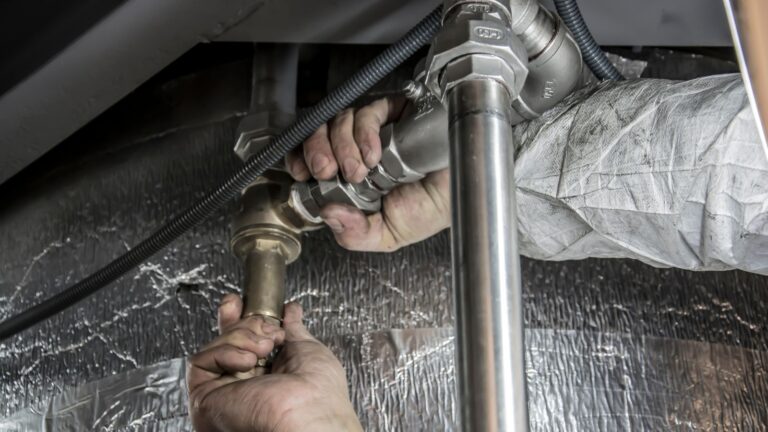
Something breaks in a rental, you contact the landlord, and the response comes back: That’s your responsibility. At that point, it can be tempting to pay for the repair yourself simply to get the problem taken care of.
But a landlord saying something is the tenant’s responsibility doesn’t automatically make it so. Who pays depends on the lease, what caused the problem, and state or local rental laws, so check these things before opening your wallet.

What the lease actually says
The lease is a good place to start when you disagree about maintenance or repairs. Look for sections covering repairs, appliances, utilities, pest control, and tenant-caused damage rather than relying solely on what was said during a phone call or conversation.
What caused the damage
There can be a big difference between something wearing out and something a tenant damaged. For example, a plumbing component that fails due to age may be treated differently from a fixture broken through misuse.
Whether it’s normal wear and tear
Rental properties naturally wear over time, and not every worn or aging item should automatically become a tenant expense. If something has simply reached the end of its useful life through ordinary use, check whether the owner must repair or replace it.
Whether the problem affects basic living conditions
No heat, no hot water, serious electrical problems and major plumbing issues can be more than ordinary maintenance inconveniences. Rental laws in many places establish minimum standards landlords must maintain, although the exact requirements vary by jurisdiction.
Whether the landlord provided the appliance
If the refrigerator, stove or another appliance came with the rental, don’t automatically assume its repair is your responsibility when it stops working. Check the lease and local requirements to determine who is responsible for maintaining landlord-provided appliances.
Whether the problem involves the building itself
Wiring, plumbing, stairs, floors, ceilings and other permanent parts of the property are different from belongings a tenant brought into the home. Problems involving these systems or structural components may fall under the owner’s maintenance responsibilities when the tenant didn’t cause the damage.
Why pests are getting inside
Pest responsibility isn’t always as straightforward as simply deciding that bugs or rodents are the tenant’s problem. An infestation connected to holes, cracks, building conditions or a larger property-wide issue may be treated differently from a pest problem caused by conditions inside an individual unit.
Whether required safety equipment is involved
Smoke detectors, carbon monoxide detectors, exterior locks and other safety features may be subject to specific state or local requirements. Before paying to replace something yourself, check what the property owner must provide and what responsibilities the tenant has for ongoing maintenance, such as battery replacement.
What local rental laws require
A lease isn’t the only factor when deciding who has to fix something. State and local laws can establish landlord responsibilities involving habitability, utilities, repairs, entry, safety, and other rental conditions, so rules can differ considerably from one location to another.
Related: 15 Renter-Friendly Apartment Upgrades That Won’t Risk Your Security Deposit
Whether you’ve documented the problem
If there’s a disagreement about a repair, a written record can be much more useful than relying on a conversation from weeks ago. Keep photos, dates, and copies of repair requests and responses so there is a clear record of when the problem was reported and what was said about it.
Don’t automatically assume you have to pay
Some rental expenses absolutely can be a tenant’s responsibility, particularly when the tenant caused the damage or agreed to certain maintenance obligations in the lease. But when a landlord says a repair is your problem, it’s reasonable to check the lease, the cause of the damage and applicable rental laws before assuming the bill belongs to you.
Other Posts You Might Like
- 10 Apartment Upgrades You Can Do Without Angering Your Landlord
- Homeowners Are Refusing to Sell—And Are Becoming “Accidental Landlords” Instead
- 14 Things Landlords Hate Finding Inside Your Home (It Could Cost You Your Security Deposit)
- This Donation Center Will Come to Your Home and Pick Up Donations for Free