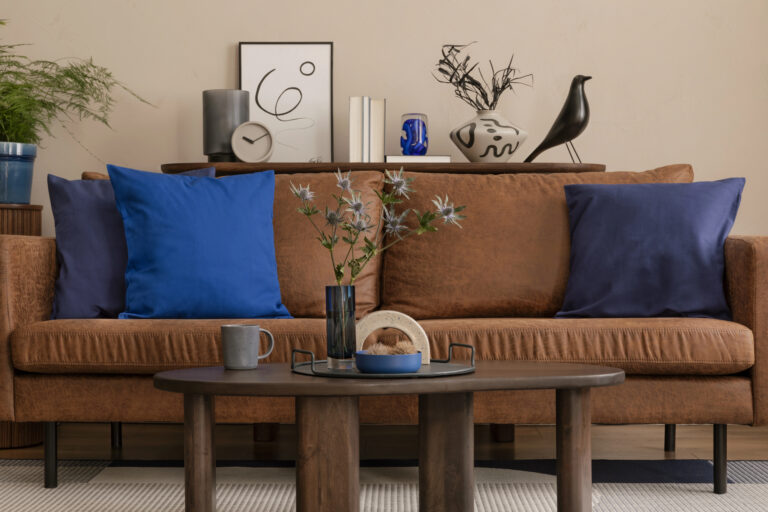
For a long time, Millennials were known as the generation stuck renting longer than planned, priced out of homes, or waiting for the “right time” to buy. But lately, that story has started to shift. Instead of constantly looking for the next place, many Millennials are putting real money into the homes they already live in, and the spending reflects it.
A new report from Angi found that Millennials now spend more per household on home projects than any other generation. They’ve moved ahead of Gen X and Baby Boomers, even though they still don’t make up the biggest share of homeowners.
Part of it comes down to mindset. A lot of Millennials waited years to buy homes, so once they finally did, they wanted those spaces to feel personal, comfortable, and worth staying in. Instead of treating a home like a temporary stop, they’re remodeling kitchens, updating bathrooms, building outdoor spaces, and fixing things they once would have ignored.
There’s also the reality that moving has become expensive. Higher mortgage rates and rising home prices have pushed many people to stay put longer, which makes spending money on the current house feel more worthwhile. If you’re not leaving anytime soon, investing in the place you already have starts making more sense.

Why Millennials Are Spending More on Their Homes Than Ever Before
Last year, Millennials averaged $14,199 per household on home projects, the highest of any generation. But the story behind that number is more telling than the number itself. This isn’t about splashy renovations for resale value. It’s about settling in.
More than three-quarters of Millennials say they plan to take on a major home project within the next five years, a sign that this isn’t a short-term surge, but a long-term shift in how they view homeownership.
After entering the housing market later than previous generations and often under less forgiving economic conditions, Millennials are treating their homes less like stepping stones and more like homes worth shaping.
Renovation on the Rise
High mortgage rates have quietly rewritten the rules of moving. Instead of upgrading their ZIP code, many Millennials are upgrading their kitchens, bathrooms, systems, and layouts.
74% say elevated mortgage rates are prompting them to renovate rather than move, far outpacing other generations. It’s a practical response, but it also hints at something deeper: a generation choosing investment over escape.
“We’re seeing Millennials renovate rather than relocate,” says Angi co-founder Angie Hicks. And in that choice is a reframing of what progress looks like, not bigger or newer, but better suited to real life.
Maintenance Is the New Status Symbol
What really sets Millennials apart isn’t just how much they spend, it’s where that money goes. While older generations continue to lead in improvement-only spending, Millennials are pouring money into maintenance and emergency repairs at higher rates than anyone else.
They lead all generations in both categories, reflecting rising ownership costs, aging housing stock, and the realities of keeping a home functional amid labor shortages.
This is the unglamorous side of homeownership, and Millennials aren’t ignoring it. They’re budgeting for it.
Designing Homes for Real Life, Not Just Resale
Delayed entry into homeownership has come with trade-offs, but it has also sharpened priorities. Millennials are approaching projects with a clear focus on livability, efficiency, and durability, not just aesthetic payoff.
Design-forward updates still matter, but so do energy efficiency, eco-conscious materials, and technology that makes daily life easier. These homes aren’t being curated for the market. They’re being shaped for the people living in them.
As Millennials grow their share of the home improvement economy, the definition of a “good” home is shifting with them.
What This Means for Home Design in 2026
The rise of the renovation generation signals more than increased spending; it points to a cultural recalibration. Homes are becoming long-term companions instead of temporary stops. Design is becoming more personal, more intentional, and more rooted in function.
With overall U.S. household home project spending rising to $12,472 in 2025, the message is clear: modern homeownership is no longer about waiting for the perfect moment. It’s about making the most of where you are.
Millennials aren’t just fixing houses. They’re redefining what it means to stay.