Most of us don’t give much thought to the tiny bits of plastic that end up in our food. But researchers have detected microplastics in a wide range of foods and drinks, including items many people consume regularly.
Microplastics are tiny pieces of plastic that can form as larger plastic products break down. They can move through water, soil, and air, which gives them plenty of opportunities to come into contact with crops, animals, food processing equipment, and packaging.
Scientists are still trying to figure out what repeated exposure means for human health. There are plenty of unanswered questions, so it’s hard to say exactly what level of exposure matters or how much people can realistically avoid.
That doesn’t mean you need to panic or stop eating the foods on this list. Microplastics are widespread in the environment, and avoiding them completely is difficult. Still, knowing where they’ve been detected can help you think about food storage, packaging, and the products you buy.
Here are 14 everyday foods and drinks that have been found to contain microplastics in some studies.
Tea Bags
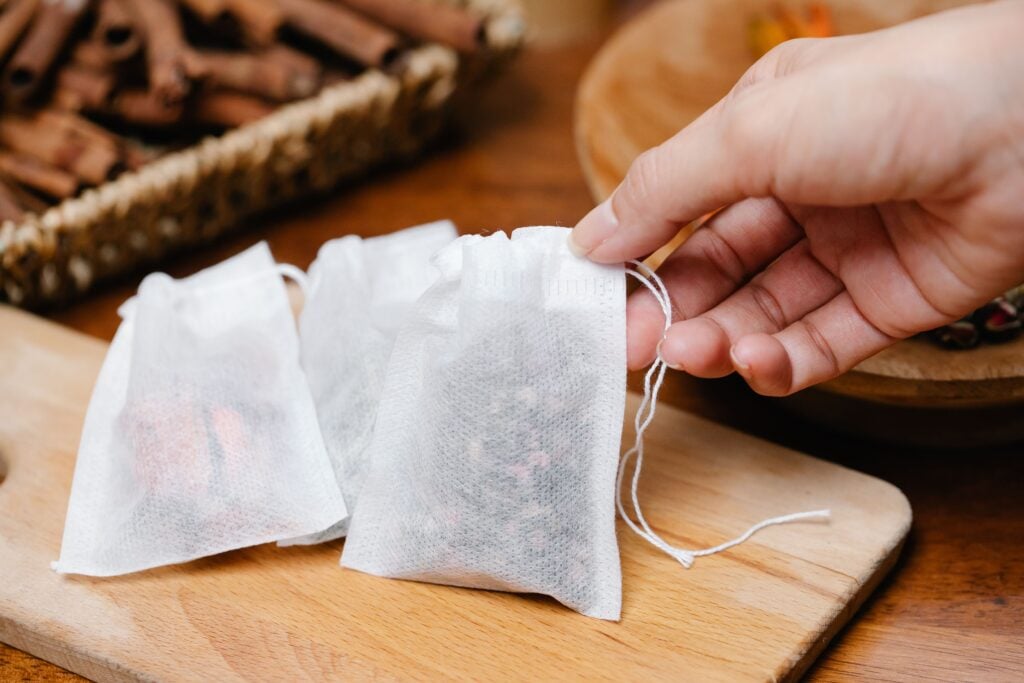
Some tea bags are made with plastic-based materials such as nylon, PET, or polypropylene. Research has found that plastic tea bags can release tiny particles into hot water during brewing.
If you’re trying to cut down on contact with plastic tea bags, loose-leaf tea is one option. A stainless steel or glass infuser can be reused many times and lets you skip disposable tea bags altogether.
Sea Salt
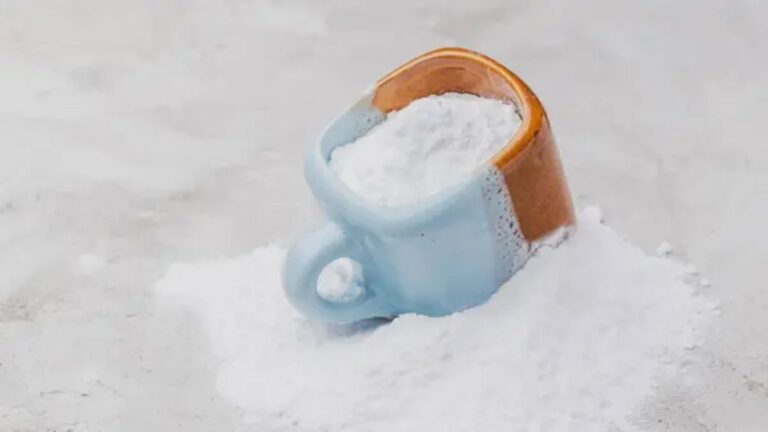
Sea salt is made by evaporating seawater, so it’s easy to see how ocean pollution can become part of the conversation. Microplastics have been detected in some sea salt samples, although their levels can vary across products and locations.
Rock salt and other salts from underground deposits don’t originate directly from seawater, so they may have different sources of contamination. That doesn’t mean they are guaranteed to be free of microplastics, but they offer another option if you’re looking to vary the types of salt you use.
Related: 8 Foods Food Banks Usually Can’t Accept
Canned Foods
The food inside a can isn’t necessarily coming into direct contact with bare metal. Many cans have an interior coating that helps protect both the can and the food inside it, and some food containers also use plastic components in their lids or seals.
Researchers have raised questions about substances and particles that can migrate from food-contact materials into food during storage. The amount can depend on the product, packaging, temperature, and storage conditions.
Choosing fresh or frozen foods sometimes gives you another option, though those foods can also come in plastic packaging.
Beer
Microplastics have been detected in some beer samples. Possible sources include water, ingredients, processing equipment, and packaging, so the particles don’t necessarily come from the bottle or can alone.
Beer is one example of how widespread plastic pollution makes it difficult to trace every particle back to one source. Switching packaging types may change the type of food-contact materials involved, but it doesn’t guarantee that a drink will be free of microplastics.
Related: 15 Everyday Grocery Foods With Surprisingly Long Ingredient Lists
Bottled Water
Bottled water has received considerable attention in microplastic research. Plastic bottles and caps can shed tiny particles, and researchers have found microplastics in bottled water samples.
Some people choose filtered tap water and reusable glass or stainless steel bottles to reduce their reliance on single-use plastic bottles. If you use a reusable bottle, keeping it clean and replacing it when it’s worn out are also good habits.
Fish and Shellfish
Seafood often comes up in conversations about microplastics because fish and shellfish live in environments where plastic pollution is present. Marine animals can ingest tiny plastic particles along with food or sediment.
Filter-feeding animals such as mussels and oysters can be exposed because they filter large amounts of water. Microplastics have also been found in other types of seafood. Eating a variety of protein sources, including beans, lentils, nuts, and seeds, can give you more choices if seafood isn’t a regular part of your diet.
Sugar
Microplastics have been detected in some sugar samples, though their presence varies. Possible sources include processing equipment, storage, packaging, and the surrounding environment.
If you’re concerned about unnecessary plastic contact, buying products with less packaging is one small change you can make. Still, there isn’t enough evidence to say that one type of sugar packaging will always have fewer microplastics than another.
Related: 9 Foods You Should Stop Cooking in Aluminum Foil
Chicken
Microplastics have been detected in some animal products, and chickens can encounter plastic particles through feed, water, soil, or their surroundings. Chickens that have access to outdoor areas can also come into contact with plastic debris in the environment.
That doesn’t mean chicken is unsafe to eat. Research into microplastics in food is still developing, and scientists are working to determine how much exposure comes from different sources.
Rice
Rice can come into contact with plastic during farming, processing, transportation, and packaging. Researchers have detected microplastics in some rice samples, with possible sources ranging from the growing environment to food packaging.
Rinsing rice before cooking is a common kitchen practice and can remove some particles from the surface. It won’t remove anything that has made its way into the grain itself, but washing rice can still be useful for other reasons, such as removing excess starch and dust.
Soft Drinks
Soft drinks sold in plastic bottles may contain microplastics. Some particles may come from the bottle or cap, while others can enter during production, filling, transportation, or storage.
If you’re trying to reduce your use of single-use plastic containers, homemade drinks such as iced tea, infused water, or fresh lemonade can be easy alternatives. Using a glass or stainless steel container for storage can also reduce contact with plastic.
Milk
Milk can come into contact with plastic during processing, transportation, and storage. Plastic bottles, caps, tubing, and other food-contact materials may all contribute to potential contamination.
Some shoppers choose milk sold in glass bottles when it’s available. This changes the packaging material, but it doesn’t mean the milk is guaranteed to be free of microplastics, as contamination can occur at several points before the product reaches your refrigerator.
Fruits and Vegetables
Microplastics can enter agricultural soil and water, allowing plants to come into contact with them during growth. Plastic mulch, agricultural materials, irrigation water, and environmental pollution can all contribute to plastic particles in farming areas.
Washing fruits and vegetables thoroughly is a sensible kitchen habit that removes dirt and other debris from the surface. Soil quality and farming practices also vary widely, so there isn’t a simple way to guarantee that produce has never come into contact with microplastics.
Bread
Bread can come into contact with plastic at several stages, from flour production to food processing and packaging. Airborne particles, equipment, storage materials, and plastic packaging can all be potential sources.
Buying bread in paper packaging or baking your own bread can reduce some contact with plastic packaging. If you buy packaged bread, keeping it in a clean container at home can also help protect it from dust and other contaminants.
Ready Meals
Ready-to-heat meals often come in plastic trays, containers, films, or lids. This creates more opportunities for food to come into contact with plastic during storage and preparation.
Heating food in plastic can raise additional questions about substances and particles moving from the container into the food. If the package says it’s safe for microwave use, follow the manufacturer’s instructions and avoid heating food in containers not intended for that purpose.
Making more meals at home with fresh or minimally packaged ingredients is another way to reduce the amount of food you regularly heat or store in plastic.