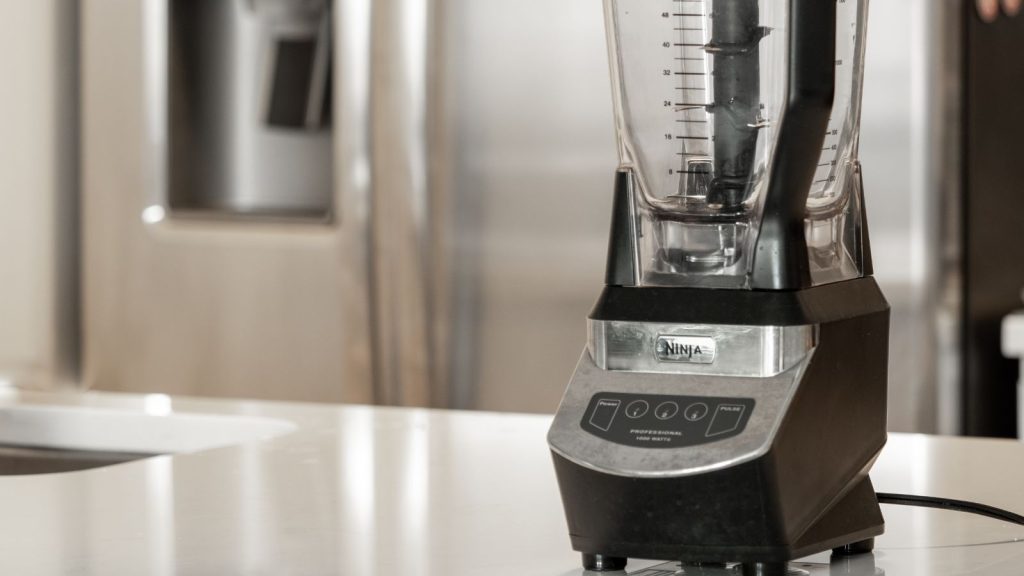
A blender can handle many kitchen jobs, from making smoothies and sauces to blending soups and dips. After using one for a while, it’s easy to assume that anything can go into the jar and come out perfectly smooth.
Some ingredients can strain the motor, leave an unpleasant texture, or create a safety risk if handled improperly. Before loading up your blender, check these 10 foods and see which ones are better prepared with another kitchen tool.
Dough
Bread and pizza dough are too thick for many standard blenders and can get wrapped around the blades. A stand mixer or food processor with a suitable dough setting is a better choice for mixing and kneading.
Related: 14 Everyday Foods That May Contain Microplastics
Coffee Beans
A standard blender may crush coffee beans unevenly, leaving a mix of coarse chunks and fine powder that can affect your coffee’s taste. A coffee grinder gives you more consistent grounds and is better suited to the job.
Very Hot Liquids
Pouring steaming soup into a sealed blender jar can build up pressure and force the lid off, spraying hot liquid onto you. Let the liquid cool first, or follow your blender’s instructions for safely blending hot ingredients in small batches with the correct lid or vent.
Related: 8 Foods Food Banks Usually Can’t Accept
Potatoes
Blending cooked potatoes can release too much starch, leaving mashed potatoes sticky and gluey rather than light and fluffy. A potato masher or ricer gives you better control over the texture without overworking them.
Very Hard or Large Frozen Fruit
Rock hard frozen fruit or oversized chunks can strain a blender that isn’t rated to handle them. Let the pieces soften slightly or cut them into smaller chunks, and check your appliance instructions before blending frozen ingredients.
Meat
Blending cooked meat at high speed can turn it into a dense paste instead of leaving it chopped or shredded. Use a knife or a food processor with a suitable setting if you want smaller pieces while keeping more of the original texture.
Bones
Most household blenders aren’t built to crush bones, and trying to do so can damage the blades, jar, or motor. Keep bones out of your blender unless the manufacturer explicitly states that the appliance and its attachments are rated for that task.
Hard Nuts
Almonds, hazelnuts, and other hard nuts can strain some standard blenders, especially if you’re trying to turn them into a smooth butter. A high-powered blender may handle nuts if its instructions allow it, while soaking them can help when making certain blended drinks.
Raw Fibrous Vegetables
Celery, broccoli, and cauliflower can leave stringy bits or uneven pieces when blended raw. Chop them into small pieces or cook them first if your recipe calls for a smoother soup or sauce.
Whole Spices
Whole peppercorns, cloves, and cinnamon sticks may bounce around the jar or grind unevenly in a standard blender. A spice grinder or mortar and pestle gives you more control and works better for small amounts of hard spices.