Home improvement projects can add up quickly. What starts as a simple update can turn into an expensive renovation once higher-end materials, custom features, and added upgrades come into play. While many home improvements look appealing, not all of them increase your home’s value.
Some upgrades are better suited to personal enjoyment than resale value. Before investing a significant amount of money, it’s worth asking whether the project will actually pay off when it comes time to sell. Many popular renovations fail to impress buyers or recoup their costs.
Below are costly home improvements that often don’t increase home value, even though they may seem like a good idea at the time.
High-End Kitchen Remodels
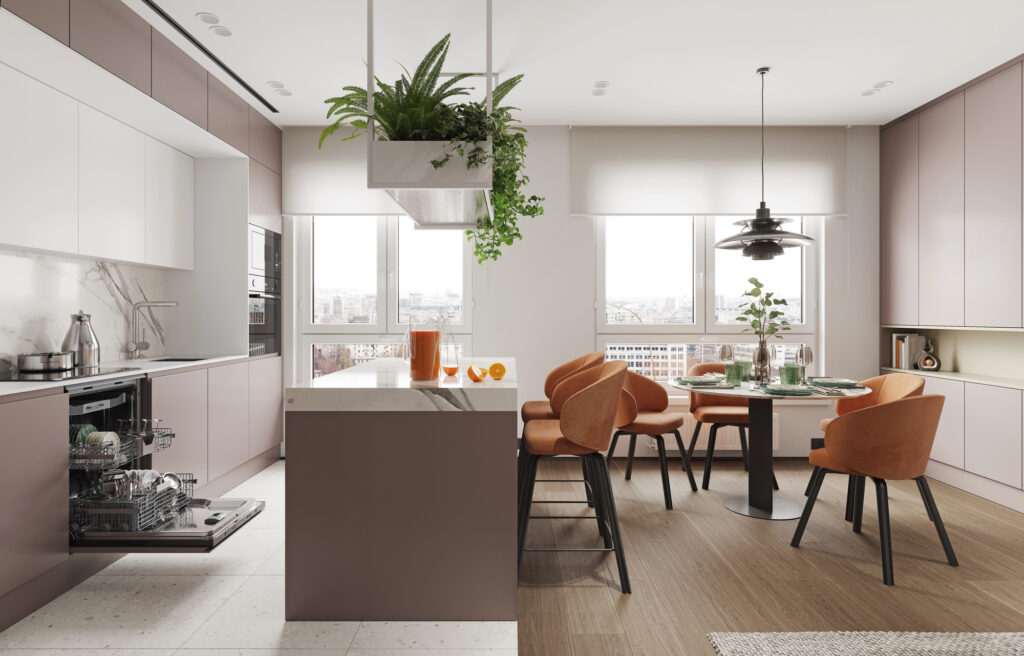
While the kitchen may be the heart of the home, going too luxe with finishes and top-of-the-line appliances may be a wasted expense. A functional, up–to–date kitchen will help sell a home, but spending $100,000 to completely renovate one will rarely yield a big return on investment.
A Zillow report says that upscale kitchen remodels typically recoup only about 54% of their cost at resale. Excessive features don’t always impress buyers, even if they do appreciate a well-maintained kitchen.
Backyard Pools
For many homeowners, a pool is a slice of paradise until the bills come rolling in. These are expensive to install and costly to maintain, and often don’t appeal to every buyer. They might be considered a safety hazard for families with young children, and if you live in a cooler area of the world, you won’t be using them for more than a few months of the year.
Custom Landscaping
A professionally designed garden can make a big difference in your home’s curb appeal, but spending tens of thousands of dollars on custom landscaping rarely pays off. People buy those nice yards, but most people don’t want to pay extra for exotic plants, water features, or an outdoor kitchen. They could view such elements as added cost or maintenance. A lush garden is nice, but don’t think it will increase the value of your home.
Home Theaters
Who wouldn’t want a private theater with reclining seats and a surround sound system? However, if you aren’t selling to a movie buff, it’s likely to be seen as a luxury rather than a necessity. Too many potential buyers would rather reclaim the space as a bedroom, office, or gym than use it as a walk-in closet.
Solar Panels in Certain Areas
While solar panels can be a great way to cut energy bills, their impact on resale value depends heavily on location. Solar panels are a big selling point in states such as California, where energy costs are high. In areas where electricity is cheaper or there’s less sunlight, the upfront cost of installation will likely exceed the savings.
On average, homes with solar panels sell for about 4 percent more, according to a study by Zillow, but that doesn’t always even equal the cost of installation.
Wine Cellars

While a walk-in wine cellar may make you feel like a wine connoisseur, it doesn’t speak to the average homebuyer. For most, this upgrade is impractical and consumes valuable square footage. If you don’t live in Napa Valley, where wine culture is king, you could find yourself soon toasting a loss when it’s time to sell.
Related: How to Make Homemade Country Wine
Over-the-Top Bathrooms
Indulgent luxury bathrooms equipped with steam showers, heated floors, and soaking tubs are rare — and rarely worth their hefty price tags.
Clean, functional bathrooms are what buyers want, but they are unwilling to pay for the luxurious upgrades. A Zillow report indicates that an upscale bathroom remodel will recover just 56 percent of its cost, another example of where less is often more.
Room Conversions
Even if transforming a bedroom into a home gym, craft room, or library fits your lifestyle, you may find that many buyers will be turned off by it. Bedrooms are a value add to a home, and losing one, especially in smaller properties, will affect your bottom line. You’re better off using the room as it was intended and making personal touches removable.
Smart Home Systems
Trendy smart home high-tech systems that control your lights, locks, and thermostat from your phone can be a mixed bag when it comes to resale value. Some buyers love the convenience, while others feel they’re unnecessary or intimidating. It also changes quickly; today’s state-of-the-art system could be out of date in a few.
Living in the Garage
While it might seem like a smart way to get more square footage by converting your garage into a living area, it rarely works. Most buyers want a functional garage to park and store things in. In suburban areas, losing this space can be a deal-breaker, as most people consider a garage essential.
High-End Additions
A sunroom, conservatory, or second-story balcony may seem like a great idea, but these are usually pretty expensive for what you get back. Extra space might be appreciated by buyers, but they won’t necessarily pay top dollar for it. If you are looking for ways to add value to your home, stick to practical and cost-effective expansions.
Expensive Flooring Upgrades
Replacing your flooring with exotic hardwood or high-end tiles can give new life to your space, but there’s a good chance you won’t recoup the full cost of the project. Most buyers can’t tell the difference between mid-range and premium materials, and they would rather have something durable and attractive than something too fancy.
Outdoor Kitchens
Outdoor kitchens with grills, refrigerators, and sinks might seem like the ultimate for entertaining, but it’s a pricey proposition that doesn’t always pay off. The upgrades are location-dependent; buyers in warm climates are much more appreciative than buyers in colder regions. It’s not a must-have for most people, even then.
Too Much Personalization
Buyers are alienated by custom designs that reflect your tastes, such as colorful tile backsplashes, unusual paint colors, or themed rooms. It’s your home, and naturally, you want it to reflect your style, but remember that neutral designs generally appeal more to a wider audience.
Lavish Lighting Fixtures
Just because chandeliers and custom light installations are pretty doesn’t mean they affect a home’s value. What most buyers are concerned with, when it comes to lighting, is natural light and the brightness of the space more than the price tag of the fixtures.