Mums seem to appear everywhere the moment fall arrives. They fill garden centers, front porches, and window boxes with those familiar shades of yellow, orange, burgundy, and purple, but they certainly aren’t the only flowers capable of putting on a beautiful show as summer winds down.
Plenty of plants bloom well into late summer and fall, bringing colors and flower shapes you won’t get from another pot of mums. Some are hardy perennials that return year after year, while others keep flowering until frost finally brings their season to an end.
Tickseed (Coreopsis spp.)
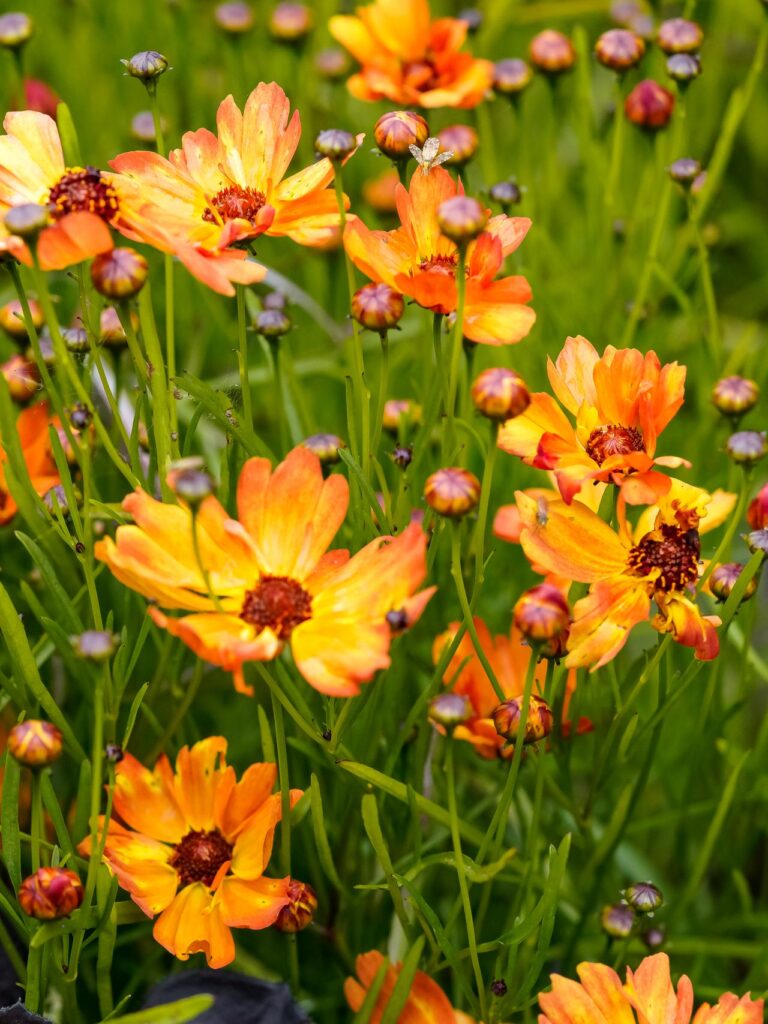
Coreopsis brings sunny yellow, gold, orange, red, and multicolored blooms to the garden, with some varieties continuing to flower from summer well into fall. The daisy-like flowers also attract pollinators and pair beautifully with purple asters and other late-season perennials.
Most types grow best in full sun and well-draining soil and become relatively drought-tolerant after they’re established. Because bloom time varies considerably among species and cultivars, look for a late-flowering variety if extending fall color is your main goal.
Aster (Symphyotrichum spp.)
Asters are one of the easiest ways to bring purple, blue, pink, and white into a garden when many summer flowers are beginning to fade. Their masses of small, daisy-like blooms also provide an important late-season food source for bees, butterflies, and other pollinators.
Most asters perform best with plenty of sun and well-draining soil, although growing requirements vary by species. Many commonly grown varieties are hardy perennials, making them a particularly good choice if you want fall color that returns rather than something you’ll replace every year.
Turtlehead (Chelone spp.)
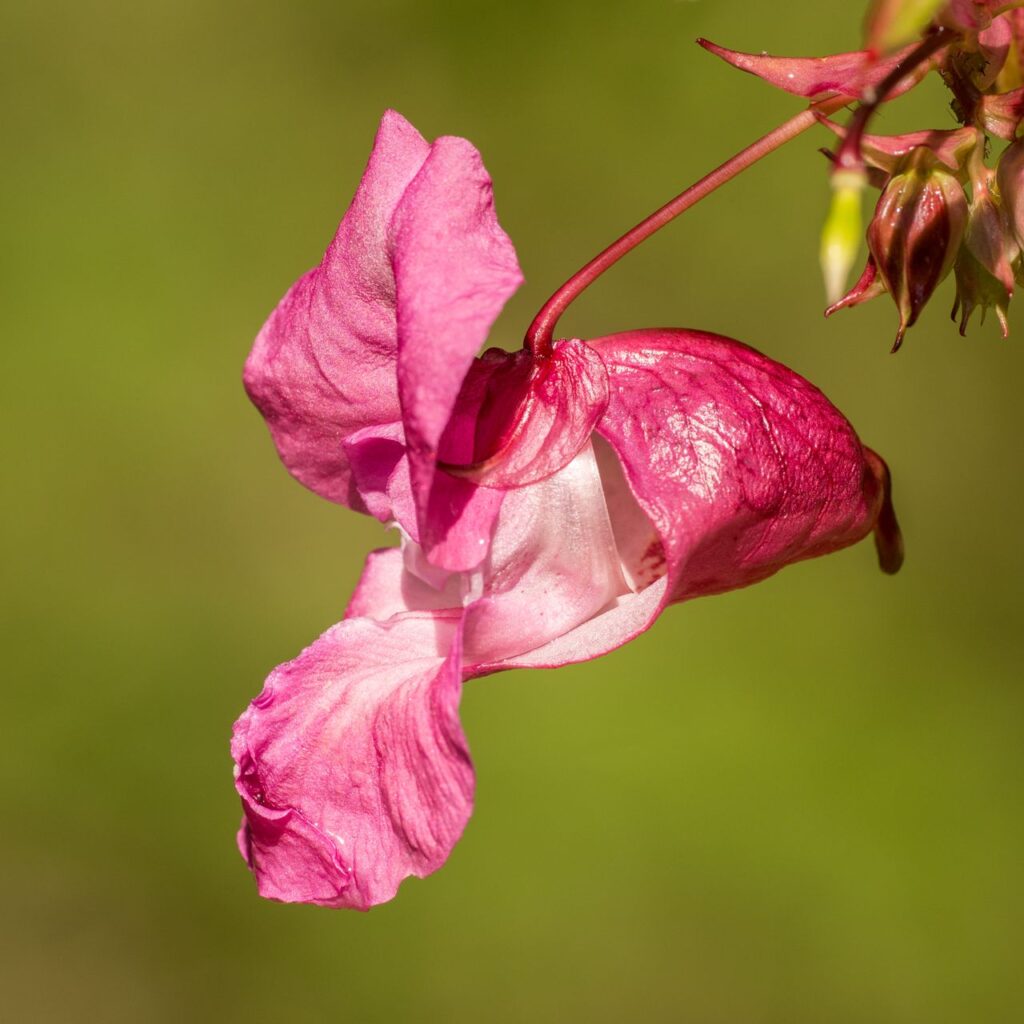
Turtlehead gets its memorable name from its unusual blossoms, which look a bit like tiny turtle heads with their mouths open. Depending on the species and variety, the flowers can be pink, rose, purple, or white and typically appear from late summer into fall.
Unlike many sun-loving fall flowers, turtlehead is especially useful in damp areas of the garden where other plants struggle. It prefers consistently moist soil and can grow in partial shade, making it a beautiful choice around woodland gardens, rain gardens, and other moisture-rich spots.
Goldenrod (Solidago spp.)
Goldenrod produces tall sprays of tiny golden-yellow flowers that can completely change the look of a garden toward the end of summer. It’s also a valuable native plant in much of North America, providing late-season nectar and pollen for a wide range of insects.
Most types appreciate full sun and are relatively easy to grow once established. There are many species and cultivars available, so you don’t necessarily have to choose the tall, spreading goldenrod you might recognize from roadsides and open fields.
African Daisy (Osteospermum spp.)
African daisies bring a completely different look to a fall container with their bold, daisy-like blooms in shades of purple, pink, white, yellow, and orange. They appreciate cooler temperatures and can continue flowering during fall where conditions are favorable.
These tender plants are perennial only in warm climates, so gardeners in colder regions typically grow them as annuals. Give them plenty of sun, good drainage, and regular care, and they can keep containers and garden beds colorful as summer transitions into fall.
Autumn Crocus (Colchicum autumnale)
Autumn crocus creates one of the more surprising displays on this list because its delicate pinkish-purple flowers seem to emerge directly from bare ground. The foliage appears at a different time than the flowers, which explains why Colchicum is sometimes called “naked ladies.”
Despite the name, autumn crocus isn’t the same plant as the familiar spring-blooming crocus. All parts of Colchicum autumnale are highly toxic if ingested, so this fall beauty should be planted with extra care in gardens visited by children or pets.
Japanese Anemone (Eriocapitella japonica)
Japanese anemones add an airy quality to the fall garden, producing elegant flowers on tall, slender stems that seem to float above the foliage. Depending on the cultivar, you’ll find flowers ranging from crisp white to soft pink and deeper rosy shades.
They do particularly well in rich, well-draining soil that remains consistently moist and can tolerate some afternoon shade. Once established, plants can gradually form larger colonies, creating an impressive late-season display without the heavy, mounded appearance of mums.
Helenium (Helenium autumnale)
If you love the warm colors of mums, helenium offers plenty of competition. Often called sneezeweed, this North American native produces daisy-like flowers in rich combinations of yellow, gold, orange, copper, and red from late summer into fall.
Plant it in a sunny location with soil that doesn’t dry out excessively. Its tall stems and warm colors work especially well toward the middle or back of a perennial border, where the flowers can rise above shorter fall plants.
Calendula (Calendula officinalis)
Calendula, commonly called pot marigold, is a cool-season annual with cheerful yellow and orange flowers. In climates with mild autumn weather, it can provide another flush of color after heat-loving summer annuals start to look tired.
It prefers full sun but appreciates cooler temperatures, so planting timing matters. In areas with mild winters, calendula can continue much longer, while gardeners in colder climates can enjoy the flowers until a hard freeze ends the show.
Autumn Joy Stonecrop (Hylotelephium ‘Herbstfreude’)
Autumn Joy is one of those plants that seems to become more interesting as the growing season progresses. Large clusters of tiny flowers emerge pink and gradually deepen toward rosy red and coppery shades as fall advances.
It’s also wonderfully unfussy once established, tolerating drought and preferring sunny locations with well-draining soil. Leave the dried flower heads standing after blooming, and they can continue adding structure and texture to the garden through winter.
Petunia (Petunia × atkinsiana)
Petunias may be associated with summer hanging baskets and containers, but healthy plants don’t necessarily stop flowering just because September arrives. Their trumpet-shaped blooms can keep producing color well into fall and often continue until frost.
Regular deadheading or trimming can help tired plants produce fresh growth and another round of flowers late in the season. Keep them somewhere sunny, provide adequate water, and they can make those summer containers last considerably longer before you replace them with cold-weather plants.