
Buying a home is one of the biggest financial decisions most people will ever make. It’s exciting, hopeful, and full of possibility but it can also be stressful in ways many buyers don’t anticipate.
Between financing, inspections, negotiations, paperwork, and moving timelines, there are countless details to manage. Even one overlooked piece can lead to regret or unexpected expenses later.
Many homebuying mistakes aren’t dramatic or obvious in the moment. They often come from rushing decisions, underestimating costs, or simply not knowing what questions to ask. What feels like a small oversight during the process can quietly turn into long-term stress after closing.
Below are common homebuying mistakes that can create stress, regret, and unexpected expenses, and what to watch for before you sign on the dotted line.
Not Getting Pre-approved Before House Hunting

One of the biggest mistakes you can make as a first-time home buyer is not getting pre-approved for a mortgage before starting your search.
Without pre-approval, you may waste time and energy looking at homes you can’t afford or miss out on your dream home to another buyer who has already secured financing. Knowing how much you can borrow and what your budget will allow is essential before beginning the house-hunting process.
Failing to Consider Additional Costs
Aside from the purchase price of a home, there are many other costs that you can overlook. These include closing costs, property taxes, homeowners’ insurance, maintenance fees, and higher utility bills. It’s crucial to factor in these additional expenses when determining how much home you can afford.
Forgetting About the Future
As a first-time buyer, you may be eager to purchase a home that meets your needs. However, it’s essential to consider your long-term plans before making such a significant investment. Will this home still meet your needs in five or ten years? Is the neighborhood expected to grow or decline? These are essential questions to ask when evaluating potential homes.
Not Having a Thorough Inspection
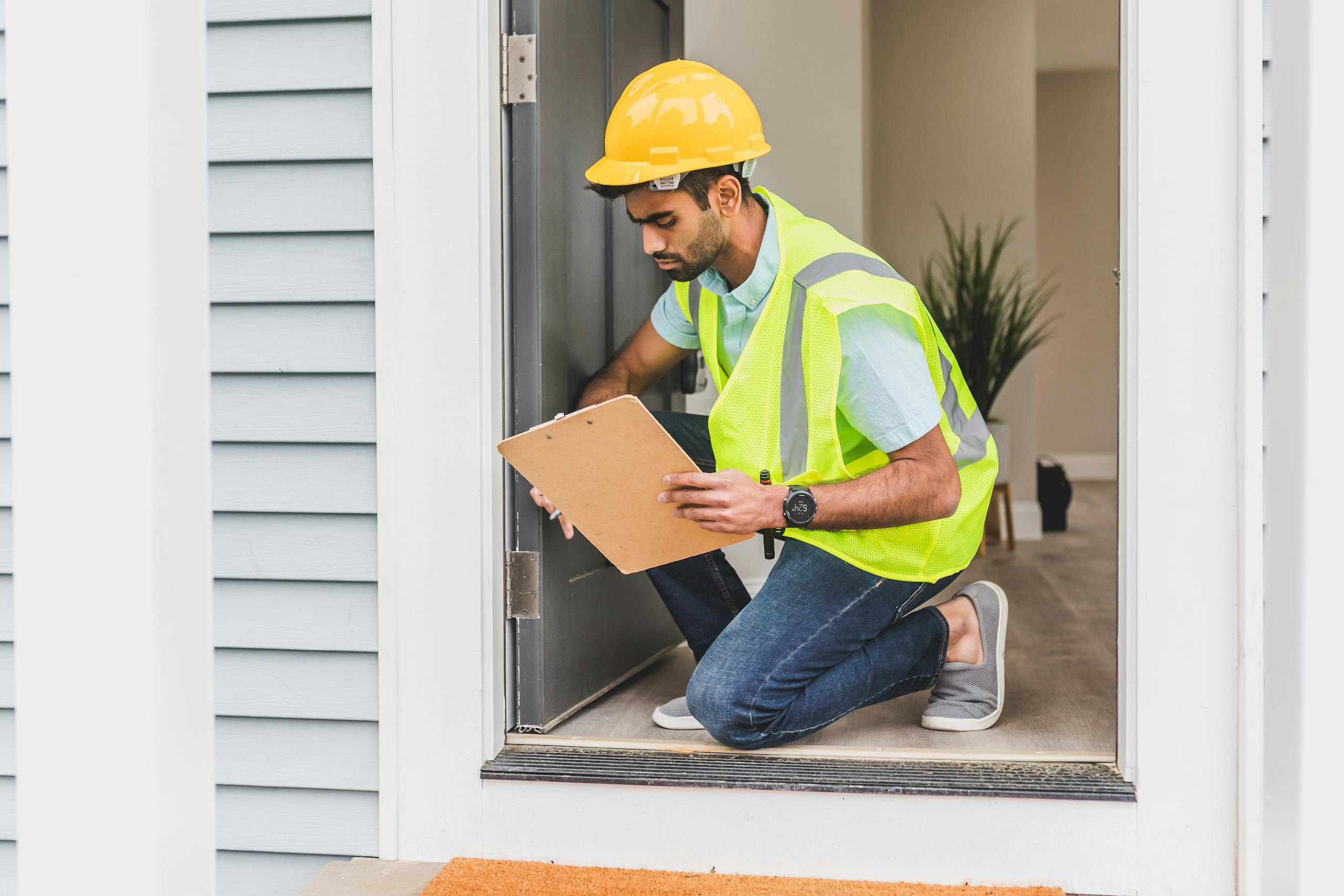
Skipping a proper home inspection is never advisable for any buyer and can be especially detrimental for first-timers. Inspections can uncover hidden issues with the property, allowing you to negotiate repairs or even back out of the deal. Without a thorough inspection, you may also face unexpected and costly surprises after moving in.
Choosing the Wrong Mortgage
Buyers may not be aware of all the mortgage options, leading them to choose the wrong one for their financial situation. Before deciding, it’s important to research and understand the pros and cons of each mortgage type.
Going Over Budget
It’s easy for home buyers to get caught up in the excitement of owning a home and overspend. Going over budget can lead to financial strain and risk homeownership. You need to have a set budget and stick to it when making an offer on a home.
Not Considering Resale Value
It’s impossible to predict the future housing market. Factors such as location, school district, and neighborhood amenities can affect how desirable a property is to future buyers.
Skipping Title Insurance
Title insurance protects buyers from any unforeseen issues with property ownership. Though it may not seem necessary, forgoing title insurance can leave buyers vulnerable to potential legal and financial problems down the road. It’s always better to be safe than sorry when protecting your investment.
Making Emotional Decisions
Buying a home is an emotional experience, but keeping your emotions in check when making such a significant financial decision is essential. Falling in love with a particular property or feeling pressure from others can lead to rash decisions that may not be in your best interest. Consider all aspects of a home objectively before committing.
Not Researching the Neighborhood
A beautiful house may seem like the perfect fit at first glance, but without researching the neighborhood, buyers may end up living in an area that doesn’t align with their lifestyle and values. Researching the neighborhood is crucial; visit at different times of day and talk to current residents before committing to buying the home.
Overlooking Potential Deal-breakers
In the excitement of purchasing a home, buyers may overlook potential deal-breakers such as structural issues or outdated systems. It’s crucial to be thorough and aware of any potential red flags before making an offer on a home.
Not Considering all Financing Options
Many buyers automatically assume they must put down 20% on a home. However, various financing options, such as down payment assistance programs, can make homeownership more attainable. Researching and considering all possibilities before assuming a high down payment is necessary is crucial.
Ignoring the Importance of a Reliable Real Estate Agent
Don’t underestimate the value of working with a knowledgeable real estate agent. A good agent can provide invaluable insights into the local market, help identify suitable properties, and guide you through negotiations and paperwork. Choosing the right real estate agent can significantly streamline the home-buying process and help you make informed decisions.
Choosing a Home With High Maintenance Costs
Some homes, particularly older ones or those with extensive landscaping, can have high maintenance costs. Buyers often fall in love with a home’s charm without considering the upkeep required. These ongoing expenses can add up and become a burden. It’s vital to assess the home’s condition and consider whether you can maintain it.
You’ve Been Told These 10 Home Maintenance Tips for Years — But They’ve Been Wrong All Along
Not Planning for Moving Costs

Moving can be expensive, especially if you hire professional movers or are relocating long-distance. Buyers often forget to budget for moving expenses, including packing supplies, truck rental, and mover fees. It’s important to factor these costs into your overall homebuying budget. Planning can help you avoid last-minute financial stress.