It’s easy to fall into a routine with the garden and plant the same familiar flowers every year. There’s nothing wrong with that, but sometimes it’s fun to grow something that makes people stop and ask, “What is that?”
Some perennials have unusual flowers, dark foliage, odd shapes, or colors that you don’t see in every neighborhood garden. A few look almost unreal when they’re in bloom, while others are simply different enough to give a flower bed a fresh look. Here are 14 unusual perennials worth knowing about if you want to try something outside the usual garden favorites.
Black Bat Flower
The Black Bat Flower is about as unusual as a garden plant gets. Its dark flowers have long, wing-like bracts and thin, whisker-like extensions that give the plant a look unlike most flowers you’ll find at a garden center.
This tropical plant likes warmth, humidity, and plenty of shade. It can be a challenge in colder areas, so it’s often grown in containers that can be moved indoors when temperatures drop.
Related: 23 Beautiful Perennials That Keep Coming Back for Another Show of Blooms
Tulip ‘Fringed Purple Circus’ (Crispa Tulip)
Tulip ‘Fringed Purple Circus’ has deep purple blooms surrounded by finely fringed edges. The petals have a ruffled appearance, giving the flowers more texture than a typical tulip.
Plant the bulbs in fall for spring flowers. The dark purple blooms look especially good beside yellow daffodils, pale tulips, or other spring bulbs with lighter flowers.
Persian Lily (Fritillaria persica)
Persian lily, also known as Fritillaria persica, has tall flower stems covered with clusters of small, bell-shaped blooms. The flowers often have a dusky purple color and hang downward, giving the plant a very different look from most spring bulbs.
Fritillarias prefer well-drained soil and do well in spots with good spring sunlight. Some gardeners also plant them because their scent can be unpleasant to certain animals, including squirrels and rodents.
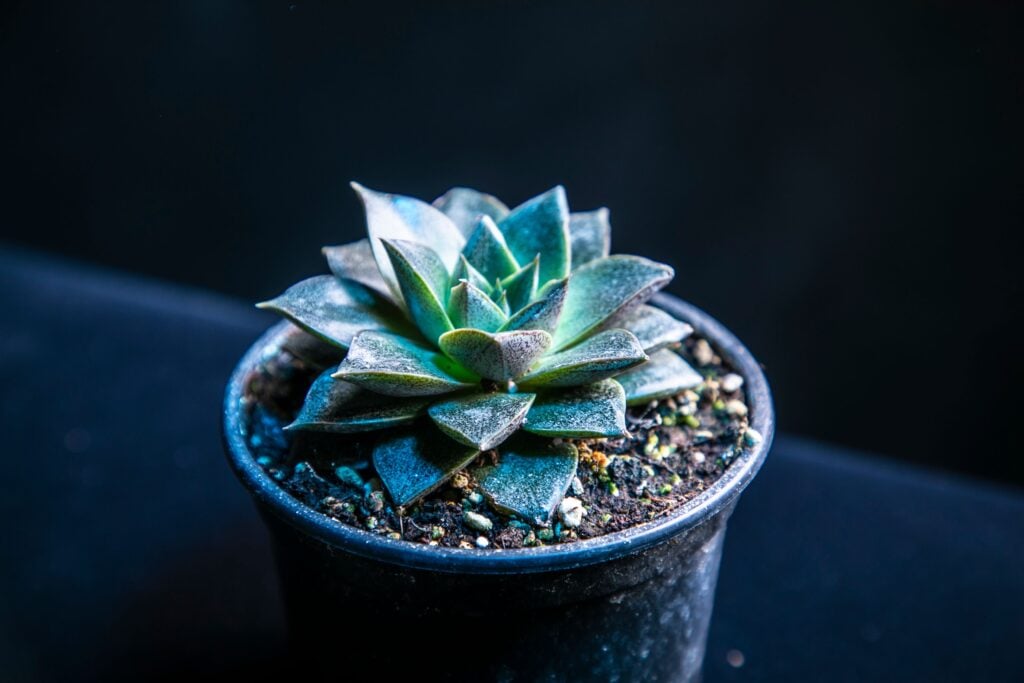
Black Prince Echeveria
Black Prince Echeveria is a compact succulent with pointed leaves arranged in a tight rosette. Its leaves can range from dark green and red to deep burgundy and nearly black, especially when the plant gets plenty of sunlight.
It works well in containers, rock gardens, and other dry spots where the soil drains quickly. In warm climates, it can stay outdoors year-round, while gardeners in colder areas can bring it inside during winter.
Related: I’m a Gardener, But These Popular Plants Stay Out of My Yard
Black Calla Lily
Black Calla lilies have smooth, trumpet-shaped flowers in deep shades that can appear almost black in the right light. They make a striking addition to a garden bed, especially when planted near pale flowers or bright green foliage.
They grow best in warm conditions and well-drained soil. In suitable climates, the flowers appear from late spring into early summer, giving the garden a bold change from the usual pastel-colored blooms.
Queen of the Night Tulip
Queen of the Night tulips are famous for their unusually dark flowers. The blooms range from deep burgundy to a shade that can look almost black, making them a fun choice if you want something different from the usual pink, yellow, and red tulips.
The cup-shaped flowers also make good cut flowers for arrangements around the house. Plant the bulbs in fall in a sunny or partly shaded spot, with enough room between bulbs for the plants to grow properly.
Black Hollyhock
Black hollyhocks have tall flower stalks covered with deep chocolate, burgundy, or mahogany-colored blooms. The flowers can add a darker color to the garden in the middle and later parts of summer.
These plants can grow quite tall, sometimes reaching several feet, so they work well toward the back of a flower bed or along a fence. Give them full sun and soil that drains well but doesn’t dry out too quickly.
Related: 15 plants that are banned or restricted in certain parts of the U.S.
Himalayan Blue Poppy (Meconopsis betonicifolia)
The Himalayan blue poppy is one of those flowers that can make you look twice. Its petals have an intense blue color with contrasting yellow centers, which is quite different from the typical colors found in many gardens.
This plant has a reputation for being difficult to grow because it prefers cool, moist conditions and rich, acidic soil. It generally does best in areas with mild summers, so gardeners in warmer climates may have trouble keeping it happy.
Hellebore, New York Night
Black Lenten rose, a type of hellebore, produces dark flowers in shades ranging from deep purple to nearly black. It’s also one of the earlier perennials to flower, with blooms appearing in late winter or early spring in many areas.
Hellebores are useful for shady parts of the garden where many sun-loving flowers struggle. They can handle cold weather and often return year after year with relatively little attention.
Petunia, Black Cat
Black Cat petunias, also sold under names such as Black Velvet and Black Mamba, have deep-colored flowers that stand out against green foliage. They can be planted in flower beds, hanging baskets, window boxes, or containers.
Petunias prefer fertile soil that drains well and plenty of sunlight. Give them regular water without keeping the soil soggy, and they can keep producing flowers throughout much of the growing season.
Related: 10 Climbing Plants That Practically Grow Themselves
Kniphofia (Red Hot Poker)
Red hot poker, or Kniphofia, looks quite different from most garden perennials. Tall flower spikes rise above the foliage, with blooms that can be red, orange, yellow, or a mix of these colors.
The flowers can be a favorite with bees and butterflies, making them a useful addition to a pollinator-friendly garden. Plants that attract bees can provide pollinators with an additional source of nectar while also bringing more activity to the garden.
Red hot poker prefers full sun and well-draining soil. Once established, the plants can become a long-lasting part of the garden in suitable climates.
Bearded Iris, Blackwater
Blackwater bearded iris has dark, velvety-looking petals that give the flowers a dramatic appearance. Like other bearded irises, it has the familiar upright petals and hanging falls that make iris flowers so recognizable.
These irises do best in full sun and well-draining soil. They can work along garden borders, in mixed perennial beds, or anywhere you want a darker flower to break up a group of lighter blooms. Dark flowers can add a dramatic touch to the garden.
Chocolate Cosmos
Chocolate cosmos has deep burgundy flowers and is known for its faint chocolate-like scent. The flowers bloom during the warmer months and can bring both color and fragrance to a sunny garden spot.
The plant is native to Mexico and prefers full sun. It can be grown in containers or flower beds, but gardeners in colder areas may need to treat it as a seasonal plant or protect the roots during winter.
Black Pansy
Black pansies have dark petals that can range from deep purple to almost black. Their small size makes them useful for containers, borders, window boxes, and spots where larger flowers would take up too much room.
Pansies prefer cooler weather and fertile, well-drained soil. Give them plenty of morning sun and regular water, and they can provide plenty of color during the cooler parts of the growing season.