With grocery bills taking up more of the household budget, shoppers are paying closer attention to where they buy their food. A few cents here and there may not seem like much, but those differences can add up over the course of a week, especially for families buying groceries for several people.
Research has found that the store you choose can make a noticeable difference. A Consumer Reports analysis found that grocery prices varied widely across chains and locations, with some cities showing differences of more than 30 percent between the least and most expensive stores.
That doesn’t mean every location will have the same prices or that one store will always be cheaper for every item. Still, the findings give shoppers a useful look at how much store choice can affect a grocery bill.
Cities Across the U.S. Were Included in the Study
Consumer Reports looked at grocery prices in six major metro areas across the country. The markets included areas around Chicago and Los Angeles, as well as cities in Texas, Florida, New York, and North Carolina, providing the study with a mix of regions and grocery markets.
Researchers compared prices at major grocery chains serving each area. The prices were collected directly from store shelves within a 48-hour period, which helped keep the comparisons tied to roughly the same point in time.
Looking at several metro areas also made it possible to see how much prices could differ from one part of the country to another. A store that looks inexpensive in one market may have a different price picture somewhere else.
The Cheapest Grocery Chains Nationwide
For the chains included in the comparison, Walmart was used as the baseline. Several retailers had average prices below Walmart across the six metro areas studied.
The chains that came in below Walmart included:
- Costco: About 21 percent cheaper than Walmart on average
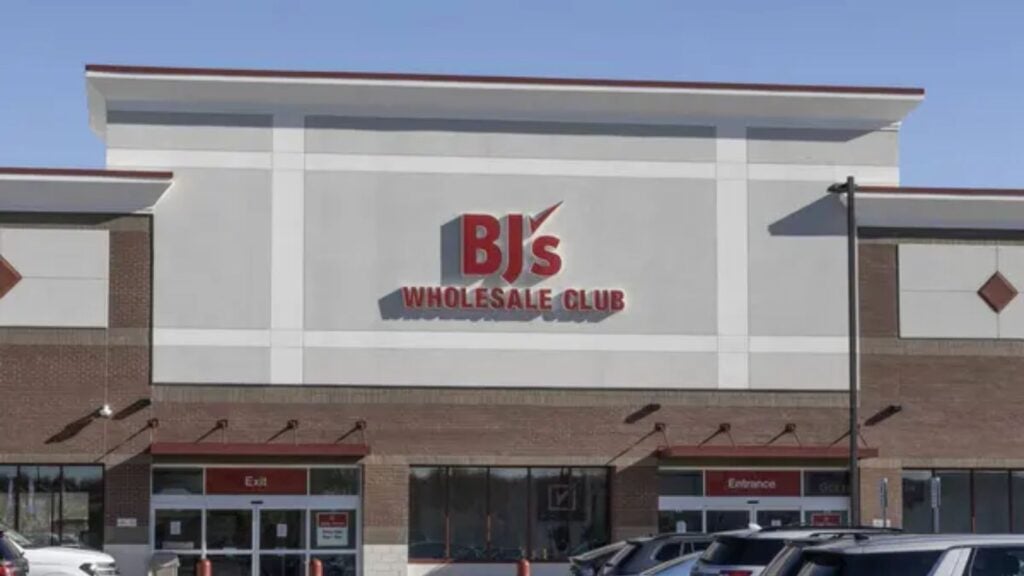
- BJ’s Wholesale Club: About 21 percent cheaper
- Lidl: About 8.5 percent cheaper
- Aldi: About 8.3 percent cheaper
- WinCo Foods: About 3.3 percent cheaper
Costco and BJ’s Wholesale Club came out near the top of the comparison. Their warehouse-style format and larger package sizes can make the per-unit price lower on many products, although shoppers also have to account for membership costs and whether they can use the quantities they buy.
Aldi and Lidl also stood out among traditional discount grocery chains. Their heavy use of store brands is one factor that can help keep prices lower than at stores that carry more national brands.
Price Differences Can Be Significant
The differences between stores weren’t always small. In the Los Angeles area, for example, Costco’s prices were about 20 percent lower than Walmart’s in the Consumer Reports comparison.
The study also found that the gap between the least and most expensive supermarkets in some metro areas exceeded 33 percent. That’s a large enough difference that choosing one store over another can have a real effect on a household’s grocery spending.
For example, if a particular basket cost $200 at one store, a 20 percent difference would put the comparable basket at about $160. A 33 percent difference would put it closer to $134 or $266, depending on the direction of the comparison. Actual totals will vary based on the products, brands, package sizes, sales, and location.
How Researchers Compared Grocery Prices
The study looked at baskets filled with everyday grocery items, including packaged foods, fresh produce, and meat.
Stores that carry many of the same national brands made it easier for researchers to compare identical products. That gave them a more direct price-to-price comparison between retailers.
The comparison was a little different for stores that rely heavily on private-label products or carry more specialty items. In those cases, fewer products matched Walmart’s selection, so the comparison baskets contained fewer overlapping items.
Prices included store sales and discounts available through free loyalty programs. Manufacturer coupons and promotions that required shoppers to use a smartphone app were not included.
Related: Grocery Shoppers Are Filling Their Carts With Store Brands Instead of Name Brands
Why Some Grocery Stores Cost More
There are several reasons grocery prices can differ from one retailer to another. Warehouse clubs often sell larger packages, which can lower the price per unit, but buying in bulk only saves money if you can use everything before it goes bad.
Discount chains often carry a large selection of private-label products. Those store brands can cost less than comparable national brands, giving shoppers another way to lower their grocery total.
Meanwhile, specialty grocery stores may have higher prices because they carry premium products, organic foods, specialty ingredients, or brands that aren’t available at every supermarket.
Store prices also change with sales, promotions, local competition, and regional costs. That’s why a grocery chain that is inexpensive in one city isn’t automatically the cheapest option in every location.
Still, the findings show that the store where shoppers buy their groceries can make a noticeable difference in how much they spend.
For shoppers trying to cut their grocery bill, it may be worth comparing prices at a few stores in their area rather than assuming the closest supermarket has the lowest prices. Shopping at more than one store can also make sense for households that are willing to buy certain staples at one retailer and buy produce, meat, or other items elsewhere.