Grandma’s generation had a different way of doing things.
If something broke, they tried to fix it before replacing it. If there wasn’t enough food for another meal, they figured out how to stretch what they had. And if winter or a big storm was coming, they didn’t wait until the last minute to get ready.
A lot of these skills weren’t learned from a book or a class. Kids watched their parents and grandparents do things, then eventually learned to do them themselves. After years of practice, things like baking bread, sewing a button, reading a paper map, or preserving food became second nature.
Life is different now, and plenty of modern conveniences are genuinely helpful. Still, some of those old skills are worth knowing. You never know when you’ll need to make do with what you have, fix something yourself, or get through a situation without relying on an app or appliance.
Here are some of the everyday skills Grandma probably knew without having to think twice.
Writing in Cursive
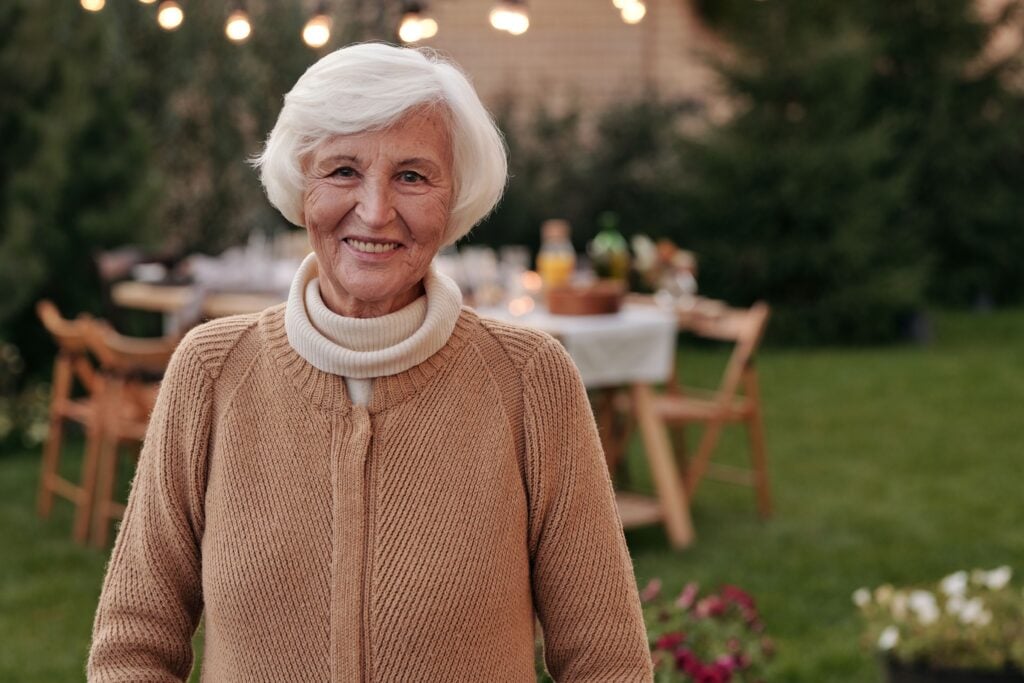
For Grandma, cursive wasn’t some special form of handwriting. It was just how people wrote.
She learned how to connect the letters, read someone else’s handwriting, and sign her name without giving it much thought. Letters were written by hand, often on actual stationery, and your handwriting was part of what made the letter yours.
There was no typing, deleting, or starting over with a click. Once the ink was on the page, it was there.
Related: 11 Things Taking Up Too Much Space in Your Kitchen
Memorizing Important Phone Numbers
Nobody had a contact list full of hundreds of phone numbers.
People memorized the numbers they used most. You knew your parents’ number, your best friend’s number, your neighbor’s number, and probably a few others without needing to look anything up.
If you wanted to call someone, you picked up the phone and dialed.
It sounds strange now that many of us can barely remember our own phone numbers, but memorizing numbers was just part of everyday life.
Reading Physical Maps
Before phones gave us turn-by-turn directions, getting somewhere meant figuring out the route yourself.
You’d unfold a paper map across the kitchen table or passenger seat, look for the right highway, and trace the route with your finger. Someone might write down a few turns before leaving the house.
Missing an exit didn’t mean a phone immediately recalculated the route for you. You looked at the map again, found another road, and kept going.
Related: 10 Things You Should Never Hang on Your Front Door
Driving Without GPS
Getting directions used to involve listening carefully.
Someone might tell you to drive down the highway, turn left after the gas station, and keep going until you saw a particular building. You had to pay attention to street names and landmarks because there was no voice coming from your dashboard telling you where to turn.
And yes, people still got lost. They just had to figure their way back.
Cooking With Basic Equipment
Grandma didn’t need a cabinet full of specialty kitchen gadgets to make dinner.
A simple oven, a skillet, a few pots, and some basic utensils could handle most meals. Cast iron was a regular kitchen staple, and many people learned how to judge heat and doneness without relying on a fancy appliance.
Cooking came from doing it over and over. You learned what a simmer looked like, how hot a pan needed to be, and when something was ready just by paying attention.
Related: 12 Things You Should Never Waste Money on at Dollar General
Making Dairy Products at Home
Milk could become quite a few things.
People made butter by churning cream. Milk could be turned into yogurt or cheese instead of being used for just one purpose.
It was another way of making the most of what was already available. You didn’t necessarily need to buy every finished product at the store if you knew how to make it yourself.
Writing a Proper Letter
A handwritten letter took some thought.
You started with a greeting, wrote what you wanted to say, and finished with a proper closing. There was no quick edit before sending it. Once the envelope was sealed and dropped in the mailbox, you couldn’t open it back up and change a sentence.
That meant people often took their time with what they wrote.
Baking Bread From Scratch
For many families, homemade bread was just part of the routine.
There wasn’t a bread machine doing all the work or an app telling you exactly how the dough should feel. You learned by touching it.
Too sticky? Add a little flour. Too dry? Work in some more liquid. Give the dough time to rise and check it again.
After making enough loaves, you started to recognize what good dough felt like without measuring every little thing.
Related: The Kitchen Tips From Grandma That Are Still Worth Following
Canning and Preserving Food
When tomatoes, cucumbers, berries, or other produce were plentiful, people didn’t let it all go to waste.
They canned it, pickled it, dried it, or turned it into jam so there would be something to eat later.
Tomatoes could become jars of sauce. Cucumbers became pickles. Extra fruit became jam for the pantry.
Today, we can walk into a grocery store and buy most foods any time of year. Grandma had to think more about what was in season and how long it would last.
Cooking Without a Recipe
Grandma probably didn’t pull out a measuring cup every time she made dinner.
She knew how much flour looked right, how much salt was enough, and what a dish needed after tasting it. A little of this, a handful of that, and maybe another splash of milk.
And if she was missing an ingredient? She worked with what was available.
That’s one reason old family recipes can be so difficult to recreate. Sometimes the recipe was little more than “add some flour and bake until done.”
Related: 19 Frugal Depression Era Recipes That Were Cheap, Filling, and Surprisingly Tasty
Stretching Leftovers Into New Meals
Throwing away leftovers wasn’t the first option.
Yesterday’s roast chicken could become soup. Extra vegetables could end up in a casserole. Stale bread could be turned into stuffing or bread pudding.
The meal might look completely different the next day, but the food still had plenty of use left in it.
Growing Their Own Food
A backyard garden could provide quite a bit of food.
Tomatoes, beans, peppers, herbs, potatoes, and other vegetables were common choices. Some families also had fruit trees or berry bushes.
Growing food meant more than having something fresh to eat. It could help cut down on grocery costs and give a family something to rely on during certain parts of the year.
Grandma knew where her food came from because she might have grown it herself.
Raising Animals for Household Needs
For some families, keeping animals was part of taking care of the household.
Chickens provided eggs and sometimes meat. Bees provided honey. A cow could provide milk.
These animals needed daily care, and people learned early that feeding and looking after them was part of the work.
Dehydrating and Fermenting
Long before food preservation became a trendy hobby, people were already doing it because they needed to make food last.
Apples and other fruit could be dried for later. Herbs could be hung up to dry. Vegetables could be fermented into things like sauerkraut.
There wasn’t a button to press and walk away from. You had to keep an eye on what you were making and know when it was ready.
Fixing Basic Household Problems
Calling someone to fix every little problem wasn’t always an option.
People learned how to unclog a drain, patch a hole, replace a loose part, or make a basic repair around the house. They took care of the things they owned because replacing them wasn’t always cheap or practical.
That doesn’t mean Grandma could fix everything. She just had a good idea of what she could handle herself before calling for help.
Related: Simple DIY Fixes for the Most Annoying Problems Around the House
Sewing and Mending
A missing button didn’t mean the shirt was ready for the trash.
Grandma could sew a button back on, patch a tear, fix a hem, or make a small alteration to clothing. Clothes were often repaired several times before they were finally worn out.
Some garments were passed down from one family member to another, so knowing how to keep them in good shape mattered.
Line-Drying Laundry
Before everyone had a dryer, hanging laundry outside was just part of doing the wash.
Clothes went onto a clothesline where the sun and air did the drying. It took more physical work, but it also meant there was no dryer running through load after load.
Even after electric dryers became common, plenty of people kept using clotheslines because they were already used to the routine.
Some of these skills may seem old-fashioned now, but they’re still useful. Knowing how to mend a shirt, cook without exact measurements, preserve food, or fix a small household problem can come in handy when you least expect it.
Grandma didn’t have an answer for everything. She just learned how to make do with what she had, and that’s a skill worth keeping around.
Other Posts You Might Like
- This Is What People With Clean, Organized Homes Do Differently
- 12 Hidden Habits of People Who Always Have An Immaculately Clean and Organized Home
- 19 Airbnb Cleaning Hacks (Cleaning Secrets for Hosts)
- Grandma’s Best Kept Cleaning Tips That Put Today’s Cleaning Routines to Shame
- 11 Things Grandma Did to Save Money That Feel Radical Today