Disinfecting wipes are handy for quick cleanups, and they’re easy to reach when something needs a wipe-down. They work well on many hard, nonporous surfaces, but the chemicals in some wipes can damage certain materials or leave residue.
Using the wrong wipe on jewelry, leather, lenses, or other delicate items may cause discoloration, wear down finishes, or leave marks that are difficult to remove. Before cleaning everything with the same product, check these 11 items to find safer cleaning methods.
Delicate Jewelry
Pearls, opals, turquoise, emeralds, and other delicate gemstones can react poorly to alcohol and the chemicals found in some disinfecting wipes. Use a soft, clean cloth or a jewelry cleaner approved for the specific stone and metal, and ask a jeweler for advice on valuable or fragile pieces.
Related: Everyday Items That Are Almost Always Worth Buying Secondhand
Clothing and Delicate Fabrics
Wiping clothing with a disinfecting wipe can leave faded patches, streaks, or discoloration, particularly on dark or delicate fabrics. Use a stain remover made for the fabric type and follow the garment’s care label before treating the affected area.
Related: 15 Yard Sale Items Buyers Snatch Up Almost Immediately
Leather Furniture, Bags, and Car Seats
Leather can lose its finish or dry out after repeated exposure to alcohol and harsh cleaning chemicals. Clean it with a product approved for that type of leather, and use a suitable conditioner if the manufacturer recommends one.
Related: 13 Drugstore Items That Are Almost Always Cheaper Somewhere Else
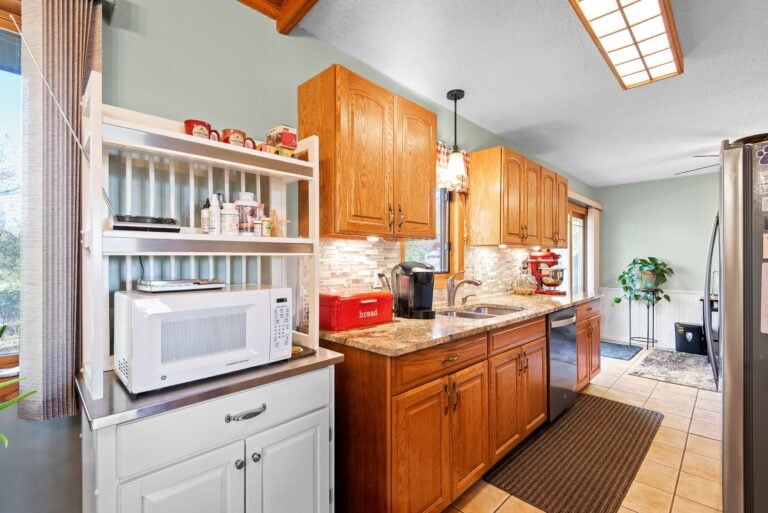
Granite and Natural Stone Countertops
Some disinfecting wipes contain acids or other chemicals that can damage certain natural stone surfaces or wear down their sealant. Use a stone-safe cleaner or mild dish soap with water for everyday cleaning, and check the countertop manufacturer’s care instructions before using a disinfectant.
Related: 11 Household Items Marie Kondo Would Toss Without a Second Thought
Eyeglasses and Camera Lenses
Disinfecting wipes may damage anti-reflective coatings or other special finishes on eyeglasses, sunglasses, camera lenses, and binoculars. Use a clean microfiber cloth and a lens cleaner approved for the specific lens, and avoid paper towels or rough fabrics that can scratch the surface.
Smartphone Screens
Some phone manufacturers permit particular disinfecting wipes on the exterior of their devices, but other cleaning products can damage coatings or finishes. Check your phone’s cleaning instructions, use only approved products, and keep moisture away from charging ports, speakers, and other openings.
Fresh Fruits and Vegetables
Never use household disinfecting wipes to clean produce you plan to eat, since the chemicals may leave residues that aren’t safe to consume. Rinse fruits and vegetables under running water, and scrub firm produce with a clean produce brush when needed.
Unfinished Wood
Unfinished wood absorbs moisture easily, so a disinfecting wipe can leave stains, cause swelling, or affect the wood’s appearance. Use a dry, soft cloth to remove dust and choose a wood-safe cleaner only when necessary.
Upholstered Furniture and Carpets
Disinfecting wipes can leave marks or discoloration on sofas, chairs, rugs, and carpets, and they may not reach dirt or germs deep within the material. Check the fabric care label and use an upholstery or carpet cleaner approved for the specific material.
Dishes and Food Storage Containers
Don’t use ordinary disinfecting wipes on plates, bowls, cutting boards, or reusable food containers unless the product label specifically permits use on food-contact surfaces. Wash these items with dish soap and water or follow the manufacturer’s instructions, and follow any rinsing requirements listed on the disinfectant label.
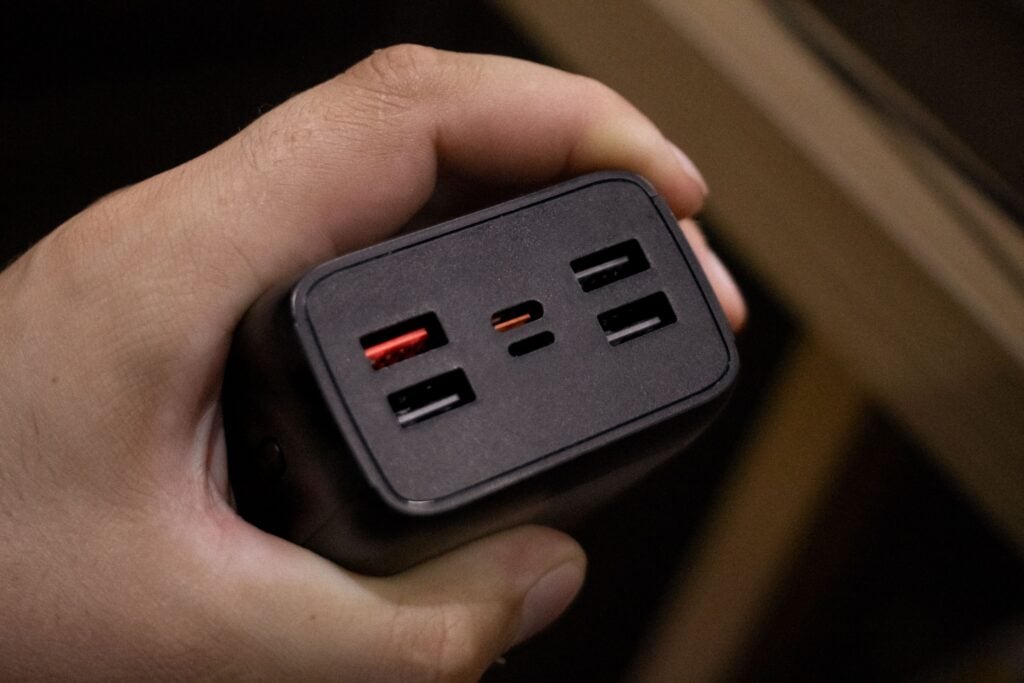
Device Ports and Openings
Liquid can damage charging ports, headphone jacks, speakers, microphones, and ventilation openings. Keep disinfecting wipes away from these areas, and clean around them with a dry, soft, lint-free cloth while following the device manufacturer’s instructions.