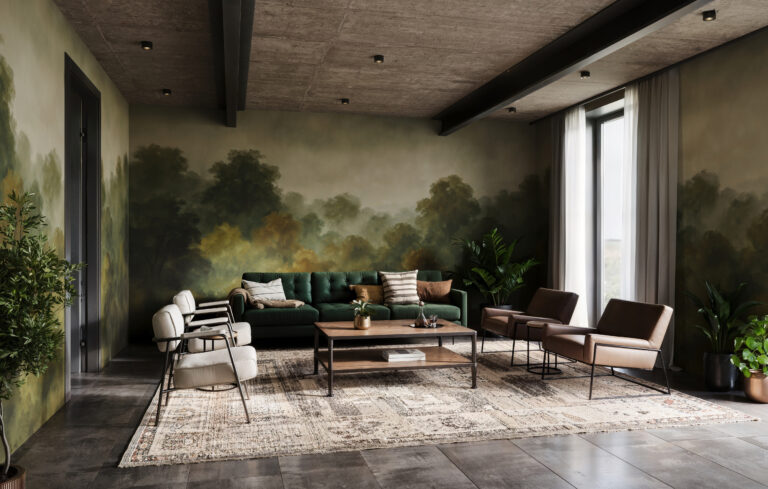
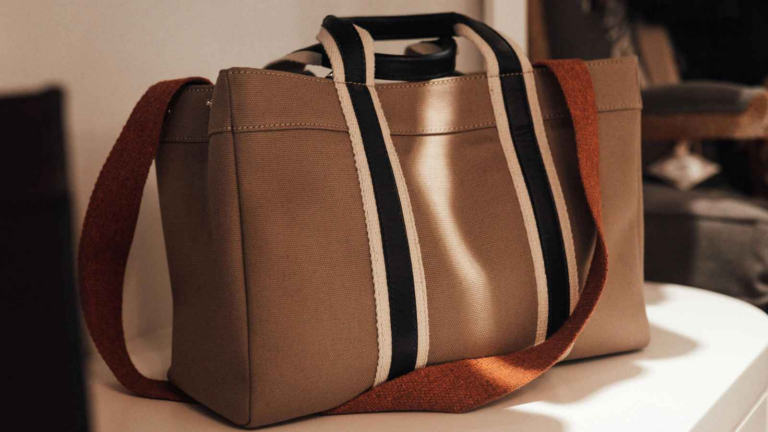
Most people don’t decorate their homes trying to make them feel cluttered. Usually, it starts with good intentions, a lamp you loved at the store, a stack of books you meant to style later, a few extra pillows, baskets, or decor pieces collected over time. Little by little, the room fills up in ways that feel normal because you see them every day.
That’s what makes this kind of mess hard to notice. A home can be clean, organized, and still feel visually busy. Often, it has less to do with actual clutter and more to do with decorating habits that quietly compete for attention, making a space feel heavier, smaller, or less settled than it really is.
These are the small decorating choices that can make a home look messier than it actually is, even when everything is technically in its place.
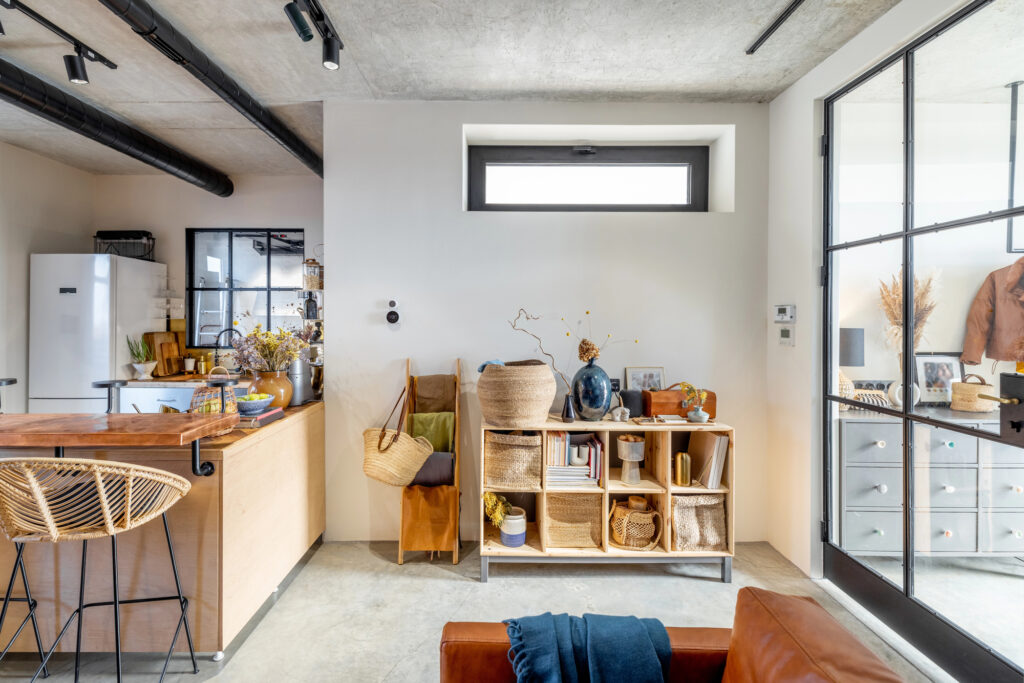
1. Filling Every Inch With Furniture
Using every corner can make a room feel crowded instead of complete. Leaving space between pieces gives the room room to breathe and makes it feel more relaxed.
How To Decorate an Airbnb on a Budget
2. Letting Laundry or “In-Between” Clothes Pile Up
Chairs, benches, and the ends of beds often become places where worn-but-not-dirty clothes land. They aren’t messes exactly, but they create a sense of clutter.
3. Mixing Too Many Patterns at Once
Patterns add interest, but too many competing ones can feel busy. Let a few lead, and give the rest room to support the space.
4. Matching Too Much
When everything matches perfectly, a space can feel flat. Mixing textures, styles, and finishes adds warmth and personality.
5. Ignoring Window Treatments
Bare windows can feel unfinished, while heavy treatments can overwhelm. The right balance softens a room and makes it feel complete.
How to Lengthen a Curtain that’s too Short Without Sewing it
6. Pushing All Furniture Against the Walls
Pulling furniture slightly inward often makes rooms feel more inviting and helps create a better flow.
7. Keeping Too Many “Almost Useful” Items on Display
Things you might need someday tend to hover on shelves and counters: extra cords, random bowls, stacks of papers you’re not ready to deal with. They’re not trash, but they’re not intentional either. That in-between state creates visual clutter fast.
8. Overdecorating Corners That Don’t Need It
Not every corner needs a plant, a stool, and a basket. Sometimes, empty space is what gives a room rhythm. Filling every gap can make a space feel busy instead of balanced.
9. Leaving Cords and Chargers Visible
Even when everything is tidy, exposed cords undo the calm. Lamps, electronics, and chargers quietly add chaos when they’re left loose and visible. Hiding or organizing them can instantly make a room feel cleaner.
10. Too Many Open Shelves
Open shelving looks great in photos, but in real life, it demands constant editing. When shelves hold too many everyday items, they start to read as clutter, even when organized. A mix of closed storage and open display keeps things easier to manage.
Linen Closet Organization Ideas and Makeover
11. Displaying Everything That Has Meaning
Sentimental items matter, but displaying them all at once can overwhelm a space. Rotating meaningful pieces instead of showing them all gives each one more room to breathe.
12. Using Furniture That’s Slightly Too Large
When furniture overwhelms a room, even just a little, it creates tension. The space feels crowded even when it’s clean. Right-sized furniture lets the room feel calmer without changing anything else.
13. Holding Onto Decor That No Longer Fits
Pieces we loved years ago or collected don’t always belong forever. When decor stays out of guilt or habit, it can quietly weigh a room down.
14. Hanging Art Too High
Artwork that floats too far above furniture feels disconnected. Hanging art closer to eye level helps it feel grounded and intentional.
How to Create a Stunning Gallery Wall on Stairs
15. Forgetting About Scale
When furniture or rugs are the wrong size for a room, the space can feel awkward without an obvious reason. Scale often explains why something doesn’t quite work.