Buying a house is exciting, but it’s also one of those decisions where a small mistake can end up costing you a lot.
There are mortgage numbers to compare, inspections to schedule, paperwork to read, and plenty of decisions to make before you get the keys. It’s easy to focus on the house itself and forget about everything that comes with owning it.
A home that looks affordable on paper can feel very different once you add taxes, insurance, repairs, utilities, and all the other bills that come with it. Some buyers also get so attached to a house that they overlook problems they would have noticed if they had taken a step back.
Before you make an offer, take a minute to look beyond the kitchen, bathrooms, and fresh paint. These 15 home buying mistakes can lead to expensive surprises later.
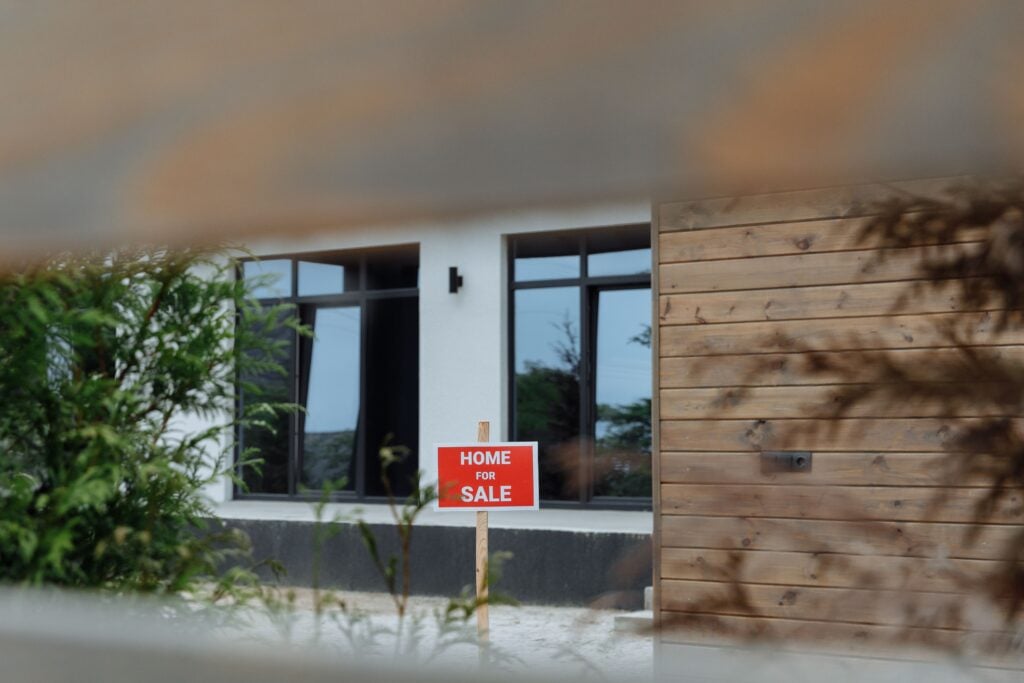
Not Getting Pre-Approved Before House Hunting
Getting pre-approved for a mortgage before you start seriously looking at houses can save you a lot of wasted time.
Without it, you might fall in love with a house that’s outside your actual budget. You could also find yourself competing with buyers who already have their financing lined up.
A pre-approval gives you a clearer idea of what a lender may be willing to loan you. It doesn’t mean you have to spend that full amount, but it gives you a useful starting point for setting your budget.
Related: 12 Items Worth Buying Somewhere Else Instead of Home Depot
Failing to Consider Additional Costs
The sale price is only one part of what you’ll pay for a home.
There are closing costs, property taxes, homeowners insurance, utilities, maintenance, and repairs. Depending on the property, you may also have HOA fees or other recurring expenses.
Utility bills can be easy to overlook during a house tour, especially if you’re focused on the number of bedrooms or whether you like the kitchen. But a home with high energy costs can add a noticeable amount to your monthly expenses.
Higher utility bills can make a home that seemed affordable feel much more expensive after you move in.
Forgetting About the Future
It’s easy to shop for the life you have right now.
Maybe the house has enough space for you today, but what happens if your family grows, you start working from home, or an aging parent eventually needs to move in?
You also need to think about how long you plan to stay. If you expect to move again in a few years, the home’s location and potential resale appeal may matter more than you think.
You can’t predict exactly what your life will look like five or ten years from now, but it’s worth asking whether the house can handle some changes.
Related: Professional Cleaners Say These 12 Things Make a Home Look Dirty
Not Having a Thorough Inspection
A home can look perfect during a showing and still have problems you can’t see.
A proper inspection can uncover issues with the roof, foundation, plumbing, electrical system, HVAC, insulation, and other parts of the property. Some problems may be minor, while others could cost thousands to fix.
An inspection can also give you a chance to negotiate repairs or reconsider the purchase if a serious issue turns up.
Skipping the inspection to save a little money can be a costly decision if you discover a major problem after closing.
Choosing the Wrong Mortgage
The mortgage with the lowest advertised rate isn’t automatically the best choice for every buyer.
Different loans have different rates, fees, down payment requirements, and rules. Some rates can change over time, while others remain fixed.
Look at the full cost of the loan, not just the monthly payment. Ask questions about fees, interest, insurance requirements, and what your payment could look like over time.
If you don’t understand something in the loan documents, ask before signing.
Going Over Budget
This is where house hunting can get dangerous.
You start with a budget, see a house that’s a little above it, and tell yourself the extra amount isn’t that much. Then another house comes along that’s even more appealing.
Before long, you can end up stretching your finances much further than you planned.
Lenders look at what you may qualify to borrow, but that doesn’t mean you need to spend that much. Leave some breathing room for repairs, emergencies, savings, and the regular expenses of life.
Not Considering Resale Value
You may plan to live in your new home for decades, but circumstances can change.
A job transfer, family changes, financial problems, or simply wanting something different could have you selling sooner than expected.
Location, schools, nearby amenities, the condition of the home, and the overall neighborhood can all affect how appealing it is to future buyers.
You don’t need to buy a house based entirely on what someone else might want someday. Just don’t ignore factors that could make the property harder to sell later.
Skipping Title Insurance
Title problems aren’t something most buyers think about during a home search.
Title insurance can protect against certain issues involving ownership of the property, such as undiscovered liens, ownership claims, or errors in public records.
The details and coverage depend on the policy and location, so it’s worth finding out exactly what you’re paying for before closing.
Saving money by skipping coverage may seem appealing, but a title problem discovered later can become a much bigger headache.
Making Emotional Decisions
It’s easy to fall for a house.
Maybe you love the kitchen, the backyard is perfect, or you can already picture yourself living there. Once you become attached, it’s much harder to look at the property objectively.
That’s when buyers can start overlooking things like a bad roof, awkward layout, expensive repairs, or a location that doesn’t really work for them.
Try to separate what you love about the house from what you actually need. A beautiful kitchen won’t make up for a monthly payment you can’t comfortably handle.
Not Researching the Neighborhood
The house is only one part of the purchase.
Visit the neighborhood at different times of day. A street that feels quiet on a Saturday afternoon might be much busier during weekday rush hour.
Check out nearby stores, schools, parks, restaurants, traffic patterns, parking, and public transportation if those things matter to you. Pay attention to noise, too.
Talking with people who already live nearby can also give you information you won’t get from a listing.
Overlooking Potential Deal-Breakers
It’s easy to focus on the fun stuff during a house tour. You notice the kitchen cabinets, the flooring, the backyard, and where your furniture might go.
Don’t forget to look at the less exciting parts.
Check for signs of water damage, foundation problems, old electrical systems, roof issues, plumbing problems, mold, or other repairs that could become expensive.
A dated bathroom can be fixed later. A major structural problem is a different story.
Not Considering All Financing Options
Many buyers assume they need a 20% down payment, but that isn’t the case for every type of mortgage.
Depending on your situation and where you live, there may be loans or down payment assistance programs that require less upfront money.
That doesn’t mean a smaller down payment is always the better choice. It can come with other costs, such as mortgage insurance or a larger loan balance.
The point is to look at the options before assuming there’s only one way to buy a house.
Ignoring the Importance of a Reliable Real Estate Agent
A good real estate agent can do much more than open doors for showings.
They can help you understand local prices, point out issues you might overlook, help with offers, and explain parts of the buying process that aren’t obvious to a first-time buyer.
The agent you choose matters, though. You want someone who listens to your budget and priorities instead of pushing you toward a more expensive house.
Take the time to find someone you trust and feel comfortable asking questions.
Choosing a Home With High Maintenance Costs
Some homes are cheap to buy but expensive to maintain.
An older house may need more frequent repairs. A large yard can mean higher landscaping costs. A swimming pool, aging roof, large deck, or older heating and cooling system can also add to your annual expenses.
A house can look great during a showing and still require a lot of work.
Before buying, look at the age and condition of the major systems and think about what you’ll realistically be able to maintain.
Related: You’ve Been Told These 10 Home Maintenance Tips for Years — But They’ve Been Wrong All Along
Not Planning for Moving Costs
Once you have the house, you still have to get all your stuff there.
Moving expenses can include professional movers, a rental truck, packing supplies, storage, fuel, cleaning, and meals during the move. A long-distance move can cost even more.
It’s easy to spend nearly your entire savings on the down payment and closing costs, only to realize you still need money to actually move.
Moving is much easier to handle when you’ve set aside money for it ahead of time. Keeping some cash available after closing can also help when the first unexpected repair shows up.