It’s funny how quickly a small household problem can turn into a big worry. A dripping faucet, a toilet that won’t stop running, or a loose piece of trim can make you picture an expensive repair bill before you’ve even figured out what’s wrong.
The truth is that plenty of basic household repairs are manageable for a homeowner with some patience and a few common tools. You don’t need a garage full of professional equipment to replace cabinet hardware, patch a small hole, unclog a drain, or swap out a showerhead.
Taking care of smaller jobs yourself can also save you the hassle of finding someone, waiting for an appointment, and paying a service call for something that may take less than an hour. Here are some home repairs worth trying yourself before you reach for the phone.
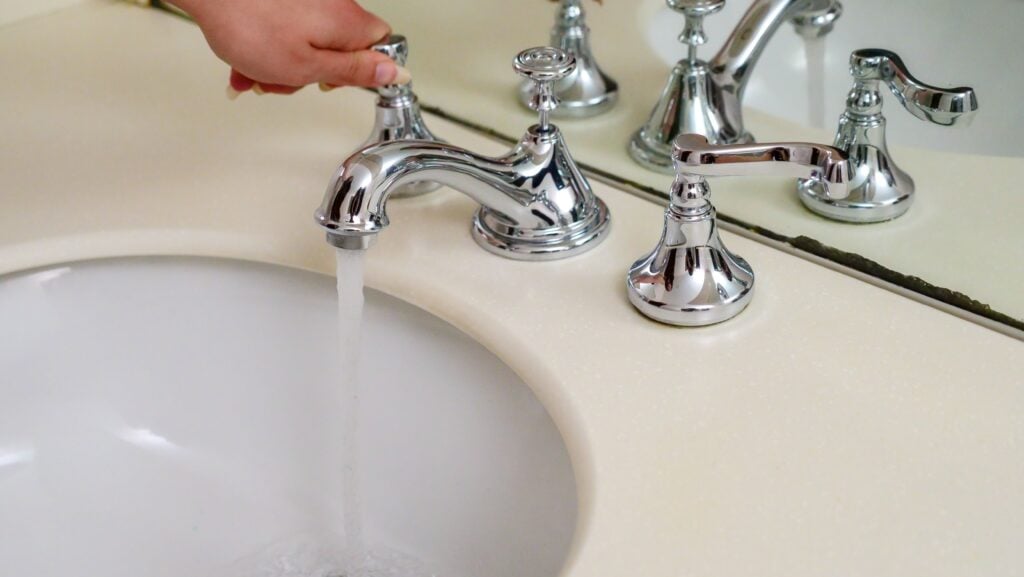
Fix a Leaky Faucet
That constant drip is annoying, but it can also waste water over time and add up on your bill. Many faucet leaks come from worn washers, O-rings, or other small parts you can replace without changing the entire faucet.
Start by shutting off the water supply and plugging the drain so a tiny screw or piece of hardware doesn’t disappear down the pipe. Remove the handle, check the washer or O-ring for cracks and wear, replace the damaged part, and reassemble everything. Turn the water on slowly and check for leaks before calling it a day.
Related: How to Install a Kitchen Sink Faucet Without a Plumber
Unclog a Drain Without Panic
A slow or clogged drain doesn’t always call for a bottle of chemical cleaner. Start with a plunger and make sure you have a good seal over the drain before working it up and down several times.
If the blockage remains, a drain snake can help pull out hair and other buildup. A plastic drain-cleaning tool can also work well for smaller clogs. Chemical drain cleaners can damage certain plumbing materials and pose a safety risk if mixed, so mechanical methods are usually a better place to start.
Related: 12 Food Items That Can Clog, Corrode, and Damage Your Pipes
Patch Small Holes in Drywall
Small nail holes, dents, and little dings are some of the easiest wall repairs to handle yourself. Clean away any loose material, spread spackle or joint compound over the damaged spot, and smooth it with a putty knife.
Once the compound has dried, sand it lightly until the patch is level with the wall. A coat of matching paint will usually make the repair hard to notice. Larger holes take a few more steps and may call for a drywall patch, but the basic process is still manageable for many homeowners.
Re-Caulk Bathrooms and Kitchens
Cracked or peeling caulk around a tub, sink, or countertop can make the area look worn and may allow water to get where it shouldn’t. Replacing it is one of those jobs that looks more intimidating than it really is.
Start by removing the old caulk and thoroughly cleaning the surface. Let the area dry completely, then apply a fresh bead of bathroom or kitchen caulk and smooth it with a caulking tool or as directed by the product instructions. Give it enough time to cure before wetting the area.
Related: 6 Effective Ways to Clean Mold from Shower Caulk and Grout
Paint a Room Yourself
Painting is one of those projects that can completely change a room’s look without requiring advanced construction skills. The biggest difference comes from taking your time with prep work.
Clean the walls, fill holes, sand rough areas, protect floors, and tape edges where needed. Use primer when the surface or paint requires it, then apply even coats, letting each coat dry sufficiently before applying the next.
Related: Painting Mistakes That Can Make Your Walls Look Worse
Unclog a Toilet
A clogged toilet can cause instant panic, but the first fix is usually pretty simple. A toilet plunger with a flange creates the seal you need to dislodge the blockage.
Pump the plunger firmly several times while keeping the seal intact, then check whether the water begins to drain. If the clog is farther down the pipe, a toilet auger can reach areas a plunger cannot. If the toilet repeatedly clogs or you notice another plumbing problem, call a professional.
Replace an Outdated Light Fixture
A new light fixture can give a room a fresh look, but electrical work deserves more caution than most cosmetic repairs. Before you do anything, turn off the correct circuit at the breaker and verify the fixture is no longer receiving power.
If the wiring and mounting setup are straightforward and you’re comfortable following the fixture instructions, you can remove the old fixture and connect the new one according to the manufacturer’s directions. If the wiring looks unfamiliar, damaged, or more complicated than expected, stop and call a licensed electrician rather than guessing.
Stop a Running Toilet
A toilet that keeps running often has a worn flapper, an incorrect water level, or a fill valve issue. Start by removing the tank lid and watching what happens after you flush.
Check whether the flapper seals properly and check the water level inside the tank. A worn flapper can usually be replaced fairly easily, while some fill valves can be adjusted or replaced with basic tools. Once you make the repair, flush the toilet several times and check that the tank shuts off completely.
Upgrade Cabinet Hardware
Replacing cabinet knobs and pulls is one of the easiest ways to give a kitchen or bathroom a different look. You don’t have to remove the cabinets or make major changes to see a noticeable difference.
Unscrew the existing hardware and measure the distance between the mounting holes before buying replacements. If the new knobs or pulls use the same spacing, installation is usually as simple as putting in the screws and tightening them securely.
Silence Squeaky Doors
A squeaky door usually doesn’t need much attention beyond the hinges. Dust, friction, loose screws, or a lack of lubrication can all contribute to that irritating sound.
Apply a small amount of suitable lubricant to the hinge points, then open and close the door several times so it works into the joint. Wipe away excess lubricant and tighten any loose hinge screws while you’re there. If the squeak continues, check whether the door is rubbing against the frame.
Related: 15 Surprising Uses for WD-40 Around the House
Replace a Cracked Tile
One damaged tile can make an otherwise nice floor or backsplash look rough. If you have a matching replacement, you may be able to replace the individual tile instead of disturbing the surrounding area.
Carefully remove the damaged tile, remove the old adhesive, and clean the surface before installing the replacement tile. Apply the appropriate tile adhesive, set the new tile in place, and let it cure according to the product instructions. Once everything has set, apply matching grout around the edges.
Refinish Wood Furniture
A scratched or faded piece of wood furniture doesn’t always need to go to the curb. Depending on the condition and finish, a little sanding and a fresh coat of stain or finish can give an old table, dresser, or chair a completely different look.
Clean the furniture first, then lightly sand the surface and remove the dust. Apply the stain in thin, even coats, allowing it to dry between applications before adding a protective finish. Test the stain on an inconspicuous spot first, since different types of wood can take color very differently.
Replace a Showerhead
Swapping a showerhead is a quick project you can usually handle with a wrench and some plumber’s tape. Start by unscrewing the old showerhead and cleaning any old tape or mineral buildup from the threaded connection.
Wrap the new connection with plumber’s tape according to the product directions, then screw on the replacement and tighten it without forcing it. Turn on the water and check for leaks around the connection. If water is still escaping, make a small additional adjustment to the fitting rather than overtightening it.
Related: How to Deep Clean a Shower Head with Vinegar
Repair a Screen Door
A torn screen can let insects into the house, but replacing the whole door is rarely necessary just because the mesh is damaged. Screen repair kits are inexpensive and usually include the materials needed for a basic repair.
Remove the damaged screen and measure the replacement material carefully before cutting it. Lay the new screen over the frame, press it into the groove with the spline, and use a screen roller to secure it. Trim away the excess material once everything is tight.
Fix a Broken Fence Board
A cracked or rotten fence board doesn’t always mean you need to replace the whole fence. If the posts and surrounding boards are still in good condition, replacing the damaged board should resolve the problem.
Remove the old board and measure the opening before cutting the replacement. Secure the new board with exterior-rated screws or nails, then paint or stain it to match the rest of the fence. Check the fence periodically for additional rot, loose fasteners, or leaning posts so small repairs don’t turn into a much larger project.