Many homeowners assume their insurance will cover any major problem that happens inside or around their house. After all, paying for coverage is meant to provide protection when unexpected damage occurs.
The reality is that homeowners insurance usually focuses on sudden and accidental events. It generally does not cover issues caused by aging, poor maintenance, or problems that develop slowly over time. This difference often catches homeowners off guard when they file a claim.
Some expensive repairs fall outside standard coverage, and even damage caused by storms or other emergencies can sometimes be denied if the insurer determines that an existing issue contributed to the problem.
Here are some common home repairs that may not be covered by your policy.
Flood Damage
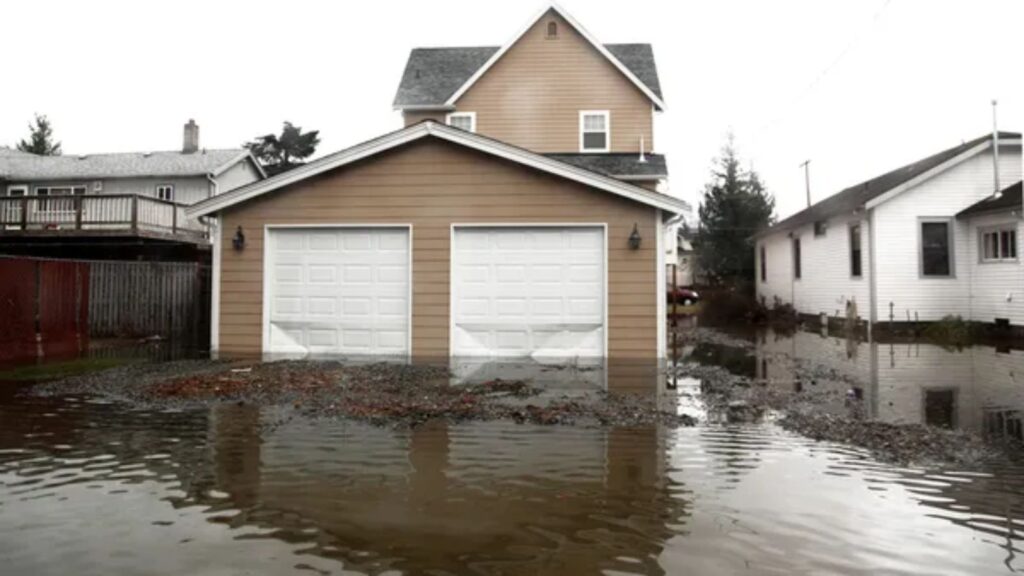
Flood damage is one of the biggest exclusions in many standard homeowners insurance policies. If water enters your home from heavy rain, rising water, or groundwater, you may not have coverage unless you have a separate flood insurance policy.
Repairs after a flood can become expensive quickly. Replacing flooring, repairing walls, addressing mold, and fixing structural damage can add thousands of dollars to the bill.
Related: 15 Ways to Flood Proof Your Property
Sewer or Septic Backups
A sewer backup can cause major damage in a short amount of time, but many standard policies do not cover it unless additional coverage has been added.
Cleanup costs can reach several thousand dollars, especially if wastewater damages floors, drywall, furniture, or electrical systems. A separate sewer backup endorsement may be needed for protection against this type of problem.
Termite and Pest Damage
Termites and other pests can cause serious structural damage, but insurance companies usually consider these problems preventable.
Because infestations often develop over months or years, homeowners are generally responsible for extermination and repairs. By the time damage becomes visible, fixing weakened beams, floors, or walls can become a costly project.
Related: 12 Mistakes That Can Lead to Serious Termite Damage in Your Home
Mold and Long-Term Water Damage
Mold coverage depends largely on what caused the problem. If mold appears after a sudden event, such as a pipe bursting, some repairs may be covered. But mold caused by slow leaks, humidity problems, or lack of maintenance is usually excluded.
Many homeowners are surprised to learn that the source of the moisture matters just as much as the mold itself.
Wear and Tear or Neglect
Homeowners insurance is not meant to pay for regular upkeep or replacing items that have reached the end of their lifespan.
Roofs, plumbing systems, appliances, and other parts of a home naturally deteriorate over time. If damage happens because something was old, worn out, or ignored, the repair costs usually fall on the homeowner.
Foundation Problems
Foundation repairs can be among the most expensive projects a homeowner faces. Cracks, shifting soil, and settling often happen gradually, which means they are usually not covered by standard policies.
Small foundation issues can grow into larger structural problems if left untreated. Depending on the severity, repairs can range from a few minor fixes to projects costing tens of thousands of dollars.
Storm Damage Isn’t Always Fully Covered
Storm damage is often covered, but the details matter. Wind, hail, or falling trees may qualify for coverage, but insurers may deny claims if they believe the damage was connected to an existing problem.
For example, a storm may damage a roof that already had years of deterioration. In that case, the insurer may determine that the storm was not the only cause of the damage.
Burst Pipes Depending on the Cause
A burst pipe may seem like an obvious insurance claim, but coverage often depends on why the pipe failed.
A sudden break may be covered, but damage caused by freezing, poor maintenance, corrosion, or neglect may not qualify. Homeowners could be left paying for both pipe repairs and water damage restoration.
HVAC System Leaks
Heating and cooling systems require regular maintenance, and problems caused by neglect may not receive coverage.
If an air conditioner or HVAC system leaks because of a maintenance issue, the homeowner may have to pay for repairs to the unit and any damage caused by the leak.
Related: How Often Should You Change the HVAC Air Filter in Your Home?
Asbestos Removal
Homes built decades ago may contain asbestos, but removing it is usually considered a maintenance expense rather than an insurance-covered repair.
Even if asbestos creates health concerns, many policies do not pay for testing or removal. Depending on the size of the project, professional asbestos removal can cost thousands of dollars.
Wet Basement Problems
A damp or wet basement can lead to mold, damaged belongings, and structural concerns. Unfortunately, many basement water issues are not covered if they result from groundwater, poor drainage, flooding, or long-term moisture problems.
Homeowners are often responsible for waterproofing, drainage improvements, and repairs needed to prevent future damage.
The Bottom Line
Homeowners insurance provides valuable protection, but it does not cover every repair that can happen to a house. Many costly surprises come from problems linked to maintenance, aging materials, or gradual damage.
Reviewing your policy and knowing its limits can help you plan ahead. For major home repairs, knowing what your insurance covers is just as important as knowing what it does not.