If you love roses, you know there’s something special about their full blooms and timeless beauty. They add a classic, romantic feel to any garden. The downside is that roses often need regular pruning, feeding, and attention to stay healthy.
The good news is you don’t have to grow roses to get a similar look. Plenty of other flowers have the same soft, layered petals and elegant blooms, but they’re often much easier to care for. If you’re after a garden filled with lush flowers without quite as much work, these plants are well worth planting.
Peonies
Peonies are often the first flowers that come to mind for anyone who loves roses. Their large, fluffy blooms make a big statement in late spring, and established plants can bloom reliably for decades. They need very little attention once they’re settled into the garden, making them a favorite for gardeners who want beautiful flowers without constant upkeep.
Related: 15 High-Performing Vegetables for Raised Bed Gardening
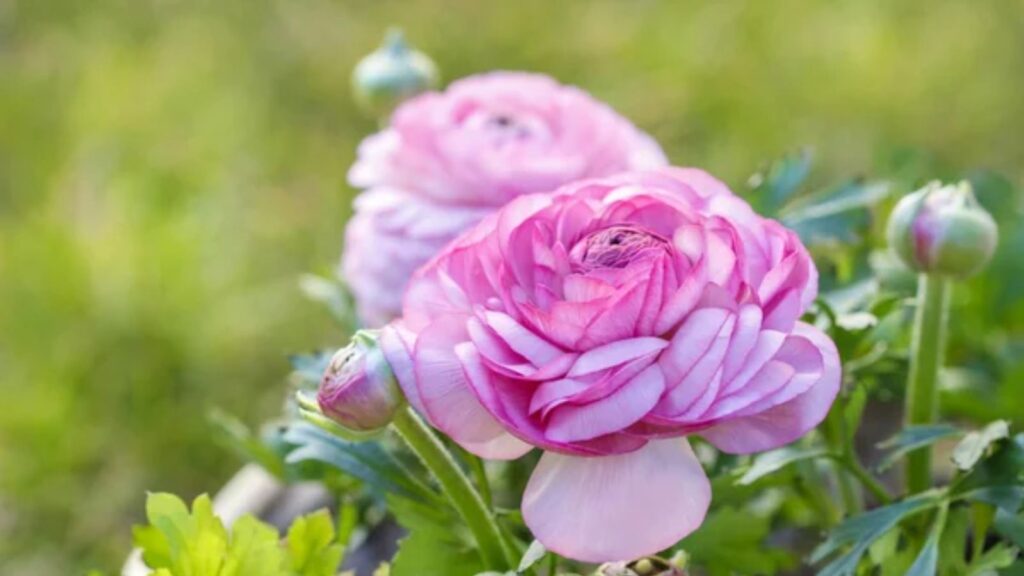
Ranunculus
Ranunculus produces tightly packed petals that look remarkably similar to roses. Their blooms come in shades of pink, white, yellow, orange, and red, making them a favorite for bouquets and flower beds alike. Plant the bulbs during cool weather in well-drained soil, and they’ll reward you with a colorful display in late winter or spring.
African Marigold (Tagetes erecta)
African marigolds have large, rounded blooms that create the same full appearance many people love about roses. Their golden yellow and rich orange flowers brighten garden beds all season long. They’re also one of the easiest flowers to grow, making them a great choice for beginners.
Camellias
Camellias bloom during late winter or early spring, often before much else is flowering. Their perfectly formed blossoms and glossy evergreen leaves give them an elegant look that feels every bit as classic as roses. Once planted in the right location, they can provide beautiful blooms for many years.
Related: 13 Popular Gardening Tips That Could Actually Hurt Your Plants
Double Tulips
Double tulips have layers of petals that give them a soft, full appearance. At first glance, some varieties look more like peonies or roses than traditional tulips. Plant them in groups for an eye-catching spring display that brings plenty of color to the garden.
Carnations
Carnations have ruffled petals that resemble small rose blooms. They’re available in almost every color, last a long time after being cut, and are easy to grow in garden beds or containers. Their sweet fragrance is another reason they’ve remained popular for generations.
Gardenias
Gardenias are best known for their creamy white flowers and rich fragrance. Their blooms have the same elegant shape that makes roses so popular, while the glossy green foliage keeps the plant attractive throughout the year. A flowering gardenia can easily become the highlight of the yard.
Related: These Gardening Tips Go Against Common Advice—and Actually Work
Double Impatiens
If your garden has more shade than sun, double impatiens are a wonderful option. Their blooms resemble miniature roses, filling flower beds and containers with color from late spring until frost. They ask for very little in return beyond regular watering.
Lisianthus
Lisianthus produces delicate flowers with gently ruffled petals that are often mistaken for roses. Their graceful appearance makes them popular in wedding bouquets, but they’re just as beautiful growing in the garden. They bloom in soft shades of pink, purple, white, and blue.
Begonias
Double begonias produce rounded, layered flowers that look surprisingly similar to small roses. They’re especially useful for patios, hanging baskets, and shaded flower beds where many other flowering plants struggle. With regular watering, they’ll keep blooming for months.
Related: 13 Gardening Antiques You Should Never Pass Up at Estate Sales
Double Daffodils
Double daffodils offer a fresh take on the familiar spring flower. Their extra petals create fuller blooms that look softer than traditional daffodils. They’re easy to grow, return year after year, and bring cheerful color to the garden after a long winter.
Other Topics You Might Like
- 13 Gardening Antiques Collectors Love and Often Pay Up For
- I Stopped Buying Fertilizers After Years of Gardening and Started Using This Instead
- Some of the Best Gardening Tips I Ever Got That Break All the Rules
- 9 Vintage Gardening Tools Hiding in Grandma’s Potting Shed— Some Could Be Worth a Small Fortune