Power strips are one of the easiest ways to deal with a shortage of outlets. Whether you’re living in a house, apartment, dorm room, or mobile home, they make it simple to power multiple devices in one place, especially in offices, bedrooms, and entertainment areas where electronics tend to pile up.
But while power strips are convenient, they aren’t designed to handle every type of household device. Many appliances require far more electricity than a standard power strip can safely provide. Plugging high-powered items into a strip can overload the circuit, cause overheating, damage the appliance, or, in serious cases, create a fire risk.
That’s why it’s important to know which devices should always be plugged directly into a wall outlet instead. Understanding these limitations can help protect your electronics and reduce potential safety hazards in your home.
Here are 12 household devices that don’t belong on a power strip.
High-Powered Appliances
High-powered appliances like refrigerators, microwaves, and space heaters require a lot of electricity. These devices should always be plugged directly into a wall outlet to handle their significant electrical load safely. Overloading a power strip with such appliances can cause it to overheat, posing a fire hazard.
Large Power Tools
If you’re tackling a DIY project, resist the urge to plug large power tools like table saws, drills, or grinders into a power strip. These tools draw substantial power and can easily exceed the strip’s capacity, creating a serious risk of overheating and fires. Instead, use a dedicated wall outlet that can support their power needs.
Televisions
While it may be common to plug televisions into power strips, it’s not advisable. Directly connecting your TV to a wall outlet helps ensure a stable power supply and reduces the risk of damage from power surges. Since you’ll want to protect these sensitive devices from power surges, opt for a power strip with surge protection.
Sump Pumps
Sump pumps play a critical role in keeping your basement dry when flooding threatens your home. But of course, a sump pump cannot do its job if the power strip it is plugged into gets wet while your basement takes on water. Instead, plug your sump pump into a proper GFCI outlet installed on a wall well above the expected flood level.
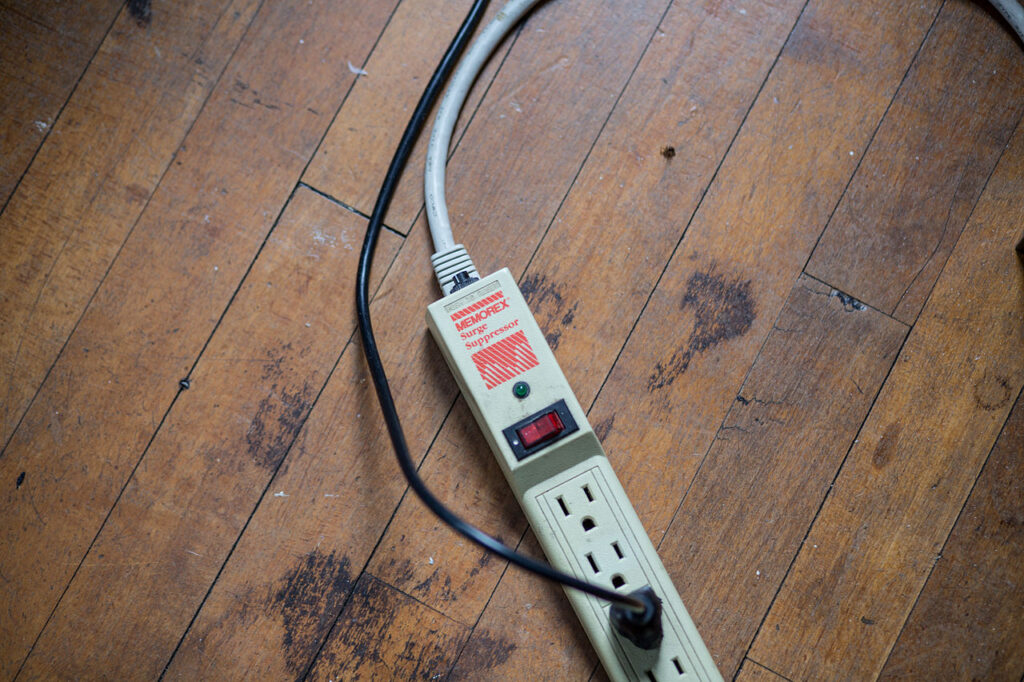
Another Power Strip
Power strips do not play well together. While it might seem smart to plug one power strip into another to multiply the number of outlets, it’s really dangerous and violates every fire safety code. As an alternative, purchase a purpose-built extension cord to meet your long-distance power distribution needs.
Blender
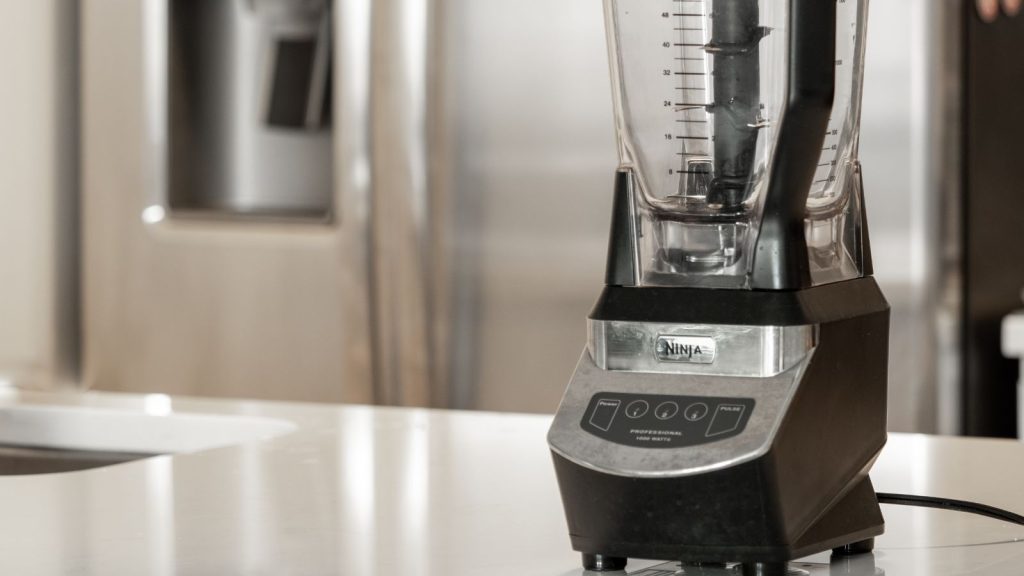
The size of an appliance doesn’t determine if it’s safe to plug it into a power strip. Certain blenders, like those manufactured by Vitamix and Blendtec, rely on powerful motors to process tougher foods, using as much as 1,500 watts. That’s on par with your space heaters, toasters, and air conditioners. Safety experts recommend always plugging a blender directly into a kitchen GFCI outlet, never into a power strip.
Fish Tank Equipment
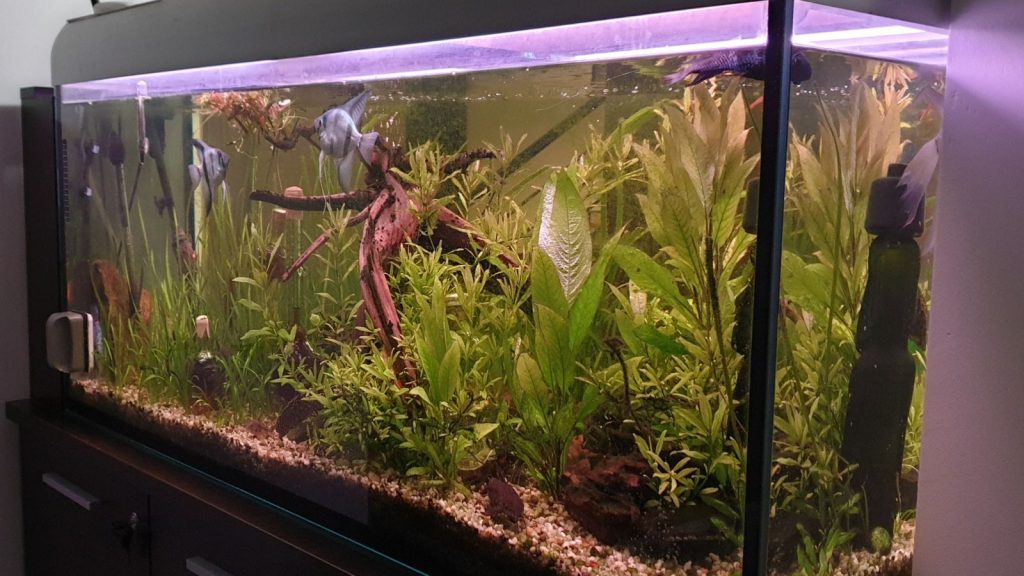
Aquarium owners know that maintaining a healthy environment for fish is crucial. However, fish tank equipment like heaters and filters should be plugged directly into a wall outlet.
A power strip could fail, jeopardizing the health of your aquatic pets. You should protect your aquarium setup by ensuring all equipment is safely connected to a wall outlet.
Electric Blankets
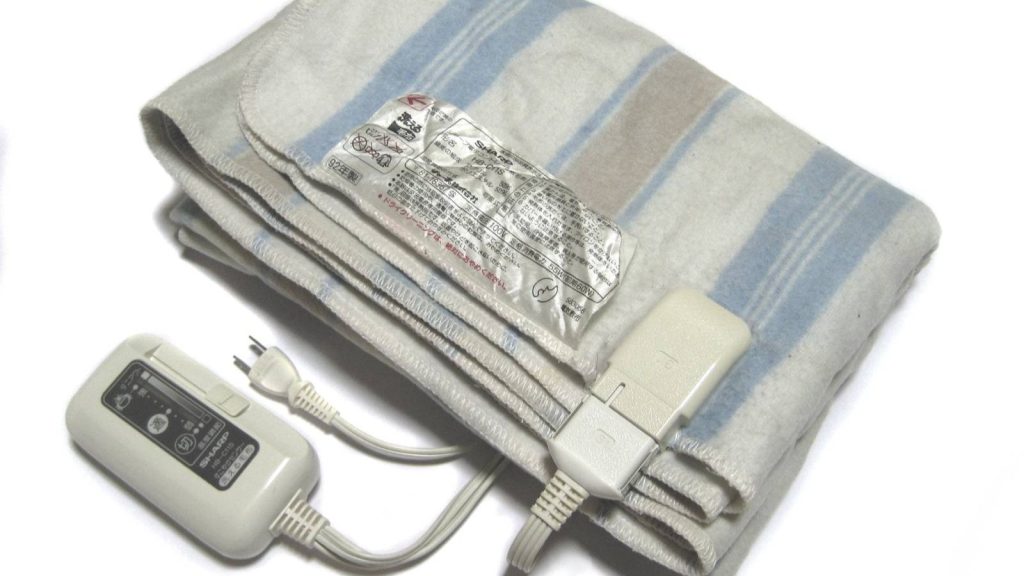
Electric blankets can provide you with warmth on chilly nights, but they should always be plugged directly into a wall outlet. Running them through a power strip can lead to overheating and increase the risk of fire. For your safety and comfort, make sure your electric blanket has a dedicated power source.
Instant Pot and Slow Cookers
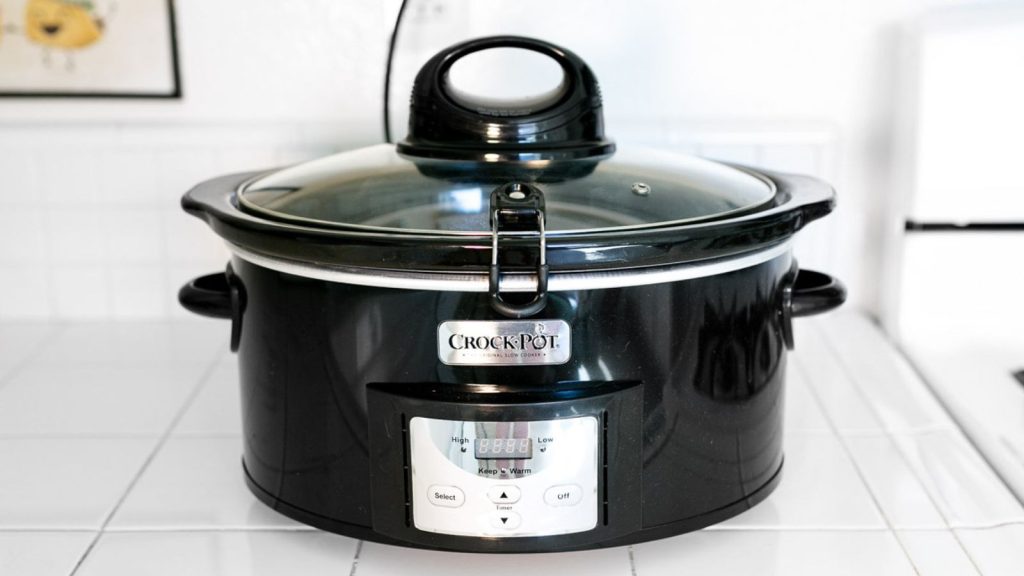
Kitchen appliances like Instant Pots and slow cookers are designed for long cooking times and can draw substantial power. Plugging them into a power strip risks overheating the strip. For safety and efficiency, connect these appliances directly to a wall outlet.
Security Systems
Your home security system is vital for keeping your family safe. Plugging it into a power strip can introduce vulnerabilities, especially if the strip fails. For reliable operation, connect your security system directly to a wall outlet to ensure it remains powered at all times.
Servers and Network Equipment
If you have a home server or other network equipment, it’s best to plug these devices directly into a wall outlet. Power strips can sometimes fail or cause power fluctuations that may damage sensitive electronics. For the reliability and safety of your network, use dedicated outlets for key equipment.
Hairstyling Tools

This might surprise some folks. Hairstyling tools such as flat irons, curling irons, and hair dryers require a lot of power to reach their maximum temperature. This is why you need to have them plugged into a wall outlet.