Stores are really good at getting people to spend more without making it obvious. A lot of the things you see while shopping, from product placement to sale signs, are set up very intentionally.
Most of the time, you don’t even notice it happening. You walk in for one thing and leave with a cart full of extras. Once you start paying attention to these tactics, it gets a lot easier to shop smarter and avoid spending more than you planned.
Providing Oversized Carts
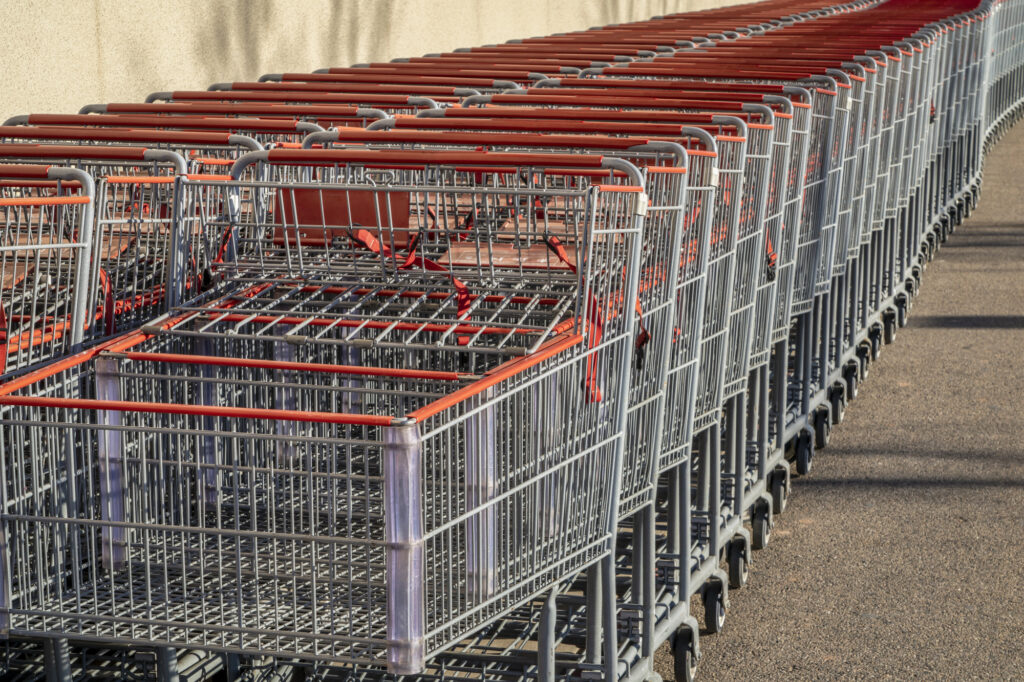
Shopping carts are bigger than ever, and that’s no accident. A larger cart makes your purchases look small, subconsciously nudging you to keep adding items. This increases the likelihood of impulse buys as you try to “fill” the cart to a satisfying level.
Mini Sizes, Premium Prices
Ever noticed how tiny desserts or smaller snack portions are priced surprisingly high? Retailers know people are willing to pay more for smaller sizes if it feels more convenient or healthier. It’s a way to profit from shoppers who want a guilt-free treat without portioning it themselves.
Prices That End in ‘.99.’
So-called “charm pricing,” like $5.99 instead of $6, makes us think we’re spending less. This is called the left-digit effect, where our brain fixates on the first number. It’s a subtle trick that increases sales while making you feel like you’re getting a bargain.
19 Things You Should Always Buy at Dollar Tree That’re Worth Your Dollar
Cheap Items at the Front
Small, inexpensive items at the entrance, like socks or candy, are known as “open-the-wallet” items. These low-commitment purchases help break down your hesitation and make it easier to spend more as you continue shopping.
They Hide the Dollar Signs
Restaurants and higher-end stores often leave out the dollar sign on menus or price tags. This downplays the pain of spending, making it easier to focus on the experience or item rather than the cost.
Hiding the Essentials
Staples like milk and bread are often placed at the back of the store. This forces shoppers to pass through aisles filled with tempting snacks and impulse items, increasing the chance of buying things you didn’t plan to.
Touching Products Increases Spending
When you can touch or try a product, you’re more likely to buy it. Studies show that physical interaction makes customers more attached and willing to pay up to 43% more. That’s why demo products and test drives are so effective.
They Assume You Won’t Check Unit Prices
Deals like “10 for $10” often aren’t better than individual prices, but they make people buy more. For example, tuna cans normally priced at $0.89 each might be labeled “10 for $10,” even though that’s a higher total cost.
They Hook You With Loyalty Cards
Retailers use loyalty cards to collect data on your habits. They can then tailor promotions to entice you to spend more, like offering discounts on items you frequently buy, even if you don’t need them right now.
Price Anchoring
A $76 shirt marked down to $38 feels like a deal, but often, the shirt was never meant to be sold at $76. This psychological trick, known as price anchoring, causes you to perceive value based on the original, inflated price.
Bogus Coupons
Coupons seem like a way to save money, but they often promote higher-priced items. Studies show that coupon users may spend more overall than those who skip them in favor of cheaper alternatives.
Loyalty Programs
Loyalty programs offer perks, but only after you spend a certain amount. This can lead to spending more just to reach the next reward tier, even if it means passing up better deals elsewhere.
Misting Produce
Grocery stores spray vegetables with mist to make them look fresh and appealing. But don’t be fooled—appearance doesn’t always equal freshness. Always inspect your produce closely.
13 Foods Frugal People Leave Off Their Grocery Lists
You Pay More for Pre-Cut Meats
Pre-cut meats like boneless, skinless chicken breasts cost significantly more per pound than whole chickens. Retailers capitalize on your desire for convenience by charging extra for items that require less prep work.
Placing Snacks Near the Checkout
Those candy bars, chips, and small gadgets near the register are placed there to tempt you while you wait. These are classic impulse-buy items, easy to grab, even if they weren’t on your list.