Home renovations can feel like a great way to invest in your home. A larger kitchen, an extra room, or a nicer backyard can make everyday life more comfortable and may help the home sell for more later. But there’s another cost that can show up long after the contractor has packed up and left: property taxes.
In many places, property taxes are based partly on the assessed value of your home. When a renovation increases that value, your tax bill may go up too. The rules vary from one location to another, so a project that affects taxes in one area may be treated differently somewhere else.
That doesn’t mean you should skip a renovation you really want. If you’ll enjoy the improvement for years, a higher tax bill may be a trade-off you’re happy to make. The bigger issue is knowing about that possibility before you spend a large amount of money.
Here are some home improvements that can raise your home’s assessed value and potentially lead to higher property taxes.
Swimming Pools
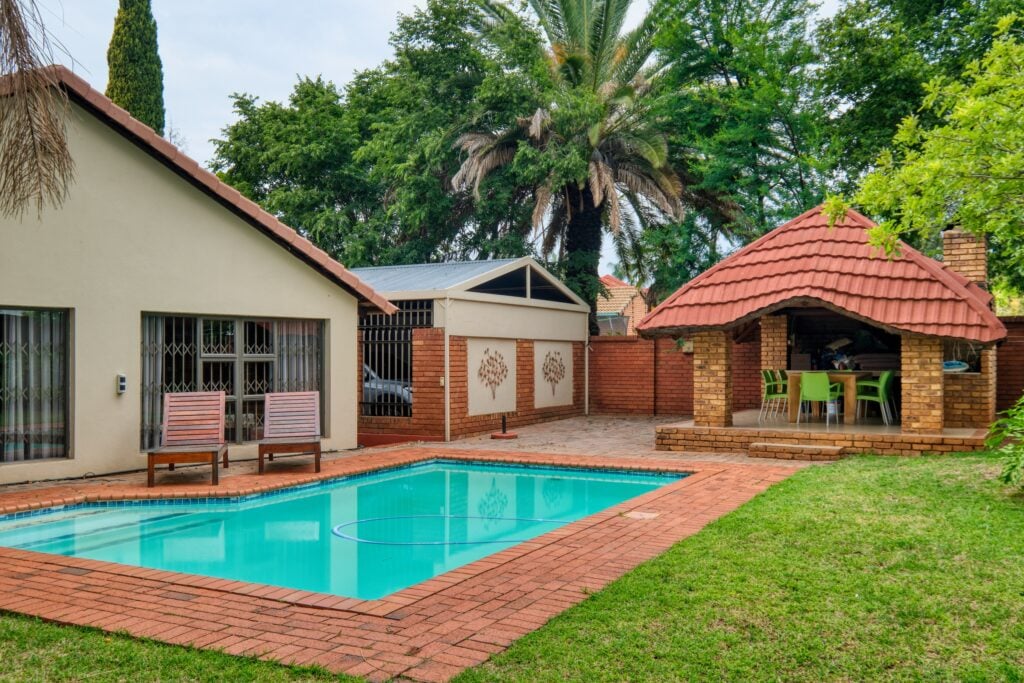
A backyard pool can completely change how you use your outdoor space, especially during hot summers. But it also adds a permanent feature to the property, and that can affect its assessed value in areas where pools are considered in property assessments.
The tax increase is also just one part of the expense. Installation, cleaning, repairs, equipment, insurance, and utilities can all add to the yearly cost of owning a pool. A pool may make the house more appealing to some buyers, but that doesn’t mean you’ll necessarily recover the full installation cost when you sell.
Home Additions
Adding a bedroom, enlarging the kitchen, or adding another story gives you more usable space. It can also increase the home’s assessed value because you’re adding finished square footage.
A larger home may sell for more, but the renovation itself can be very expensive. Once you add years of potentially higher property taxes to the cost, the financial return may look quite different from what you expected.
Related: These Renovation Upgrades Are a Total Waste of Money — and They Add Zero Value
High-End Kitchen Renovations
A basic kitchen refresh can be smart. Replacing worn cabinet hardware, updating lighting, painting cabinets, or changing a countertop can give the room a fresh look without turning it into a massive construction project.
A luxury kitchen is a different calculation. Custom cabinets, expensive countertops, professional appliances, and other premium finishes can push the renovation price into the tens of thousands of dollars. If the finished kitchen is far more expensive than is typical for nearby homes, you may have trouble recouping that cost at resale while still dealing with a higher assessed value.
Finished Basements
An unfinished basement can be useful for storage, laundry, or a workshop. Once you turn that space into permitted, finished living space with flooring, walls, heating, and other improvements, it may be treated differently for assessment purposes.
The exact tax rules depend on where you live, but adding finished square footage can increase the home’s assessed value. You get another room or living area to use, but it’s worth checking the local assessment rules before spending heavily on the project.
Related: 14 Things You Should Never Store in the Basement
Luxury Bathroom Upgrades
A bathroom with heated floors, a large soaking tub, a spa-style shower, or expensive tile can feel like a major upgrade. If you spend a lot on the renovation, though, you may not get the full amount back when it’s time to sell.
Adding another full bathroom can also change how the property is valued. If you’re doing the work for your own comfort, that may be a fair trade. Just keep the potential increase in property taxes in mind before turning a basic bathroom into a high-end retreat.
Related: 12 Renter-Friendly Bathroom Makeover Ideas
Detached Structures
A detached garage, workshop, guest house, or ADU can add useful space to a property. Depending on the local rules and the type of structure, it may also increase the assessed value.
An ADU may have the added benefit of providing rental income, which can help offset some of the extra costs. A large workshop or detached building may be harder to justify financially if you don’t use it often or if buyers in your area don’t place much value on that type of space.
Related: Items You Should Never Store in a Shed
Extensive Landscaping and Hardscaping
A tidy yard can make a house look better without costing a fortune. Basic landscaping, fresh mulch, trimmed plants, and a well-maintained lawn can make a noticeable difference without turning the backyard into a major construction project.
Large patios, retaining walls, outdoor kitchens, built-in fire features, pools, and elaborate water features are another matter. Depending on local assessment rules, substantial improvements to the property can affect its assessed value. These features can also be expensive to maintain, and there’s no guarantee a future buyer will value them as much as you do.
Related: Cheap and Simple Front Yard Ideas
Garage Conversions
Turning a garage into an office, bedroom, family room, or other living area can give you more usable space without building an entirely new addition. Since you’re converting an existing part of the house, it may seem like an easy way to get more square footage.
The tradeoff is losing the garage itself. In many neighborhoods, buyers want a place to park their cars and store tools, bikes, seasonal items, and other belongings. If the conversion increases the home’s assessed value while reducing its appeal to certain buyers, the extra expense may be harder to justify.
Related: Items in Your Garage That Deserve the Boot
Solar Panels in Some Areas
Solar panels can reduce electricity costs and may be a worthwhile investment for some homeowners. The tax treatment is more complicated because states and local governments have different rules about whether solar installations are included in property assessments.
Some locations provide property tax exemptions or other incentives for solar installations, while others may treat part of the installation as an improvement that affects the assessed value. Before installing a system, check the current rules in your area so you have a clearer idea of the long-term cost.
Related: Frugal Ways to Stay Warm Without Cranking Up the Heat
Smart Home and Tech Overhauls
Adding a smart thermostat, video doorbell, smart lights, or a few connected devices usually isn’t the kind of project that dramatically changes a home’s value. A full technology overhaul can be different.
Built-in security systems, extensive wiring, whole-home automation, and permanent equipment may be considered part of the property in some situations. Technology also becomes outdated much faster than things like roofs, windows, or flooring, so spending heavily on built-in tech may leave you with higher costs even after the equipment starts feeling old.
High-End Flooring Throughout
New flooring can make a house feel completely different, but there can be a big gap between a sensible flooring upgrade and an expensive one. Premium hardwood, imported tile, and other luxury materials can cost much more than durable mid-range options.
Those expensive materials may contribute to the home’s overall value, but that doesn’t mean the increase in value will match what you spent. If the goal is resale, flooring that looks good, holds up well, and fits the price range of nearby homes may make more financial sense.
Sunrooms and Enclosed Patios
A sunroom or enclosed patio can give you extra space for relaxing, dining, plants, or entertaining. Once the space is enclosed and finished, though, it may be treated as an addition to the property rather than just an outdoor feature.
That can increase the home’s assessed value in some areas. Whether the added value translates into the same amount of resale value depends on the local housing market and what buyers are looking for. Before building, check how your local assessor treats enclosed additions and whether permits are required.
Think About the Tax Bill Before Starting the Project
A renovation can be worth the money if it makes your home work better for your family. The mistake is assuming that every dollar spent on an upgrade will come back to you through a higher selling price.
Property tax rules vary widely, and some improvements may receive exemptions or special treatment. Before starting an expensive project, check with your local assessor or tax office to find out whether the work could change your home’s assessed value. That extra bit of research can give you a much clearer picture of what the renovation will cost you over the years.