Fresh fruits and vegetables are some of the healthiest foods you can put on your plate. But even the most beautiful produce at the grocery store has likely traveled through farms, packing facilities, trucks, store shelves, and countless hands before reaching your kitchen.
Because of that long journey, produce can carry dirt, bacteria, pesticide residues, and other contaminants. Even items with thick peels or protective skins can still transfer germs to your hands, knives, or cutting boards when you prepare them.
For that reason, certain fruits and vegetables should always be washed before eating or preparing them, even if you plan to peel them later. Here are some common types of produce that should never be skipped.
Apples
Apples often have a shiny coating that helps preserve freshness during shipping. While this food-safe wax helps prevent moisture loss, it can also trap pesticide residues and dirt on the surface.
Because apples are commonly eaten raw, washing them under running water and gently rubbing the skin helps remove residue before slicing or biting into them.
Leafy Greens
Leafy vegetables such as lettuce, spinach, kale, and arugula should always be washed thoroughly. Their layered leaves can easily trap dirt, sand, and bacteria picked up from soil or irrigation water.
Even pre-washed salad mixes can benefit from a quick rinse to remove any remaining debris. Separating the leaves and rinsing them individually helps ensure they’re fully cleaned.
BerrieS
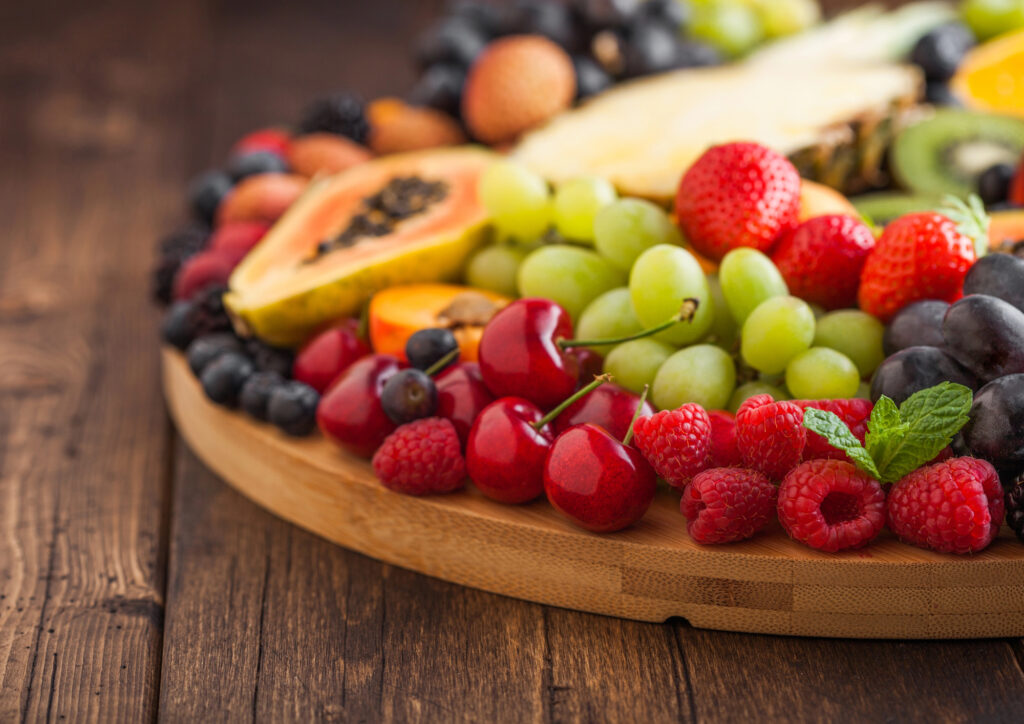
Strawberries, blueberries, raspberries, and blackberries are delicate but highly prone to contamination. Their soft surfaces can hold onto dust, pesticide residues, and microscopic organisms.
Because berries bruise easily, they should be rinsed gently under cool running water right before eating. Washing them too early can cause them to spoil faster.
Grapes
Grapes grow in clusters, which makes them particularly good at trapping dust, agricultural sprays, and natural debris.
Running grapes under water and lightly rubbing them while still attached to the stem helps remove residues before serving.
Cucumbers
Cucumbers often receive a wax coating to help extend shelf life. While the wax itself is safe to consume, it can hold onto dirt and bacteria.
Rinsing cucumbers and lightly scrubbing them with your hands or a produce brush helps remove buildup before slicing them for salads or snacks.
Potatoes
Potatoes grow underground, so they naturally carry soil when harvested. Even after packaging, tiny particles of dirt can remain on the skin.
Because potatoes are often cut before cooking, washing and scrubbing them prevents soil from transferring to the inside of the potato when slicing.
Carrots
Carrots also grow directly in soil, which means their surfaces can hold onto dirt and bacteria. Even packaged carrots may still carry small particles that need to be rinsed away.
A quick scrub under running water removes residue and improves both cleanliness and flavor.
Bell Peppers
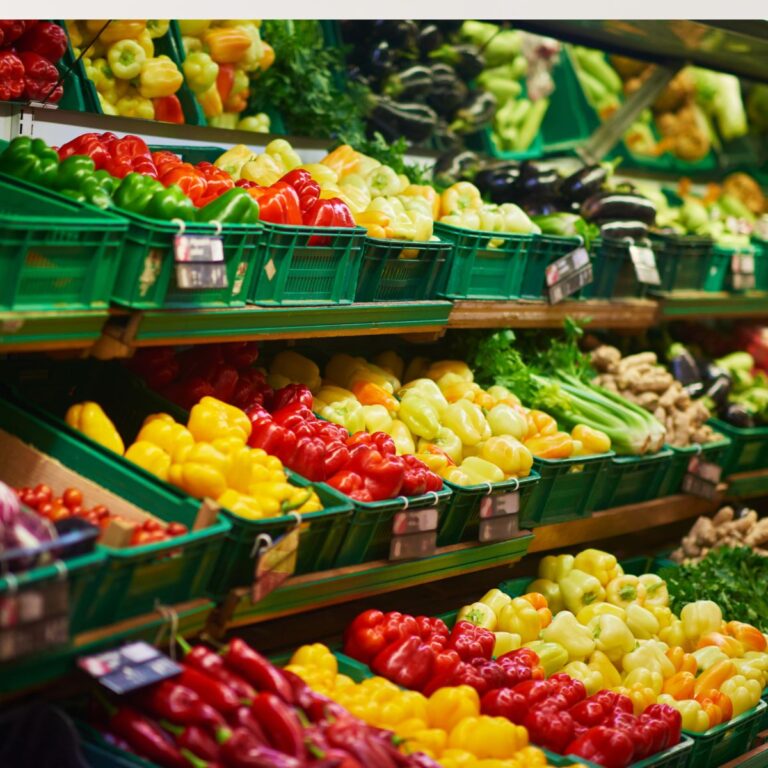
Bell peppers are commonly eaten raw in salads and snacks. Their smooth outer skin may appear clean, but it can still carry pesticide residues or contaminants picked up during transportation and handling.
Washing peppers before cutting them also prevents germs from being transferred from the knife to the inner flesh.
Tomatoes
Tomatoes are another fruit often eaten raw, making washing especially important. Even tomatoes grown at home can carry soil particles or bacteria on their skin.
Rinsing them under cool water and gently rubbing the surface helps remove contaminants before slicing.
Mushrooms
Mushrooms grow in controlled environments, but can still collect bits of soil or growing material. A light rinse or wiping them clean with a damp cloth can remove debris before cooking.
Avoid soaking mushrooms for long periods, as they absorb water easily.
Herbs
Fresh herbs like cilantro, parsley, and basil can trap dirt and tiny insects between their delicate leaves.
Rinsing herbs in a bowl of water and gently swishing them around helps loosen debris before drying them with a clean towel.
Melons
Melons such as cantaloupe, honeydew, and watermelon might seem safe because their rind isn’t eaten, but washing them is still important.
When you cut into a melon, bacteria on the outer rind can be transferred to the edible flesh by the knife. Rinsing the rind first helps reduce this risk.
Peaches and Nectarines
Soft fruits like peaches and nectarines can carry pesticide residues and dust on their fuzzy skin. Gently rinsing them under running water helps remove surface contaminants before eating.
Pears
Pears, like apples, are commonly eaten raw and may also have protective wax coatings. A quick rinse and gentle rub removes residue and ensures the fruit is clean before slicing.