
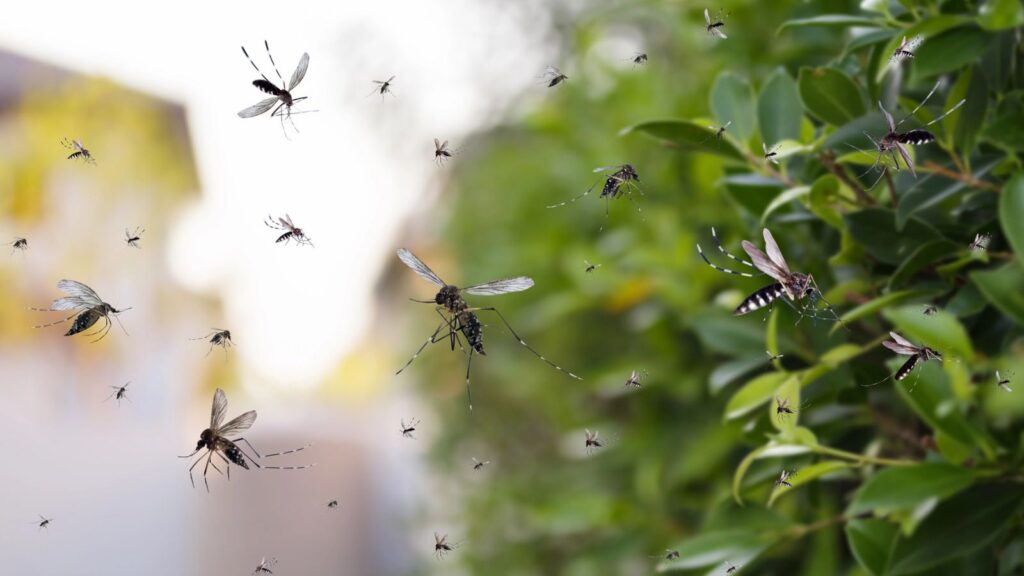
For years, stepping into my backyard during the warmer months felt like volunteering to be a mosquito buffet. After plenty of trial and error, I learned that mosquitoes aren’t random visitors; they’re usually responding to conditions that make your yard the perfect place to live, breed, and hide. These are the changes that made the biggest difference.
Eliminating Standing Water
Mosquitoes can breed in surprisingly small amounts of water, from clogged gutters to forgotten buckets and plant saucers. Emptying standing water every week immediately reduces the number of places mosquitoes can lay their eggs.

Organize your next yard or garage sale with this complete printable bundle featuring garage sale signs, price tags, flyer templates, checkout signs, trackers, and table category signs.
Maintaining Pools and Hot Tubs
Unused pools, hot tubs, and even water trapped on pool covers can become mosquito breeding grounds. Keeping water treated, circulating, and properly maintained prevents mosquitoes from turning these areas into nurseries.
Cutting Back Overgrown Vegetation
Tall grass, dense shrubs, and neglected garden beds provide cool, shaded hiding spots during the day. Regular mowing and pruning make your yard less comfortable for mosquitoes and improve airflow throughout the landscape.
Reducing Damp, Shady Areas
Mosquitoes thrive in humid locations where air barely moves. Adding outdoor fans and opening up heavily shaded areas helped make my patio far less inviting to them.
Switching Outdoor Lighting
Bright white and blue-toned lights can attract insects, including mosquitoes. Replacing them with warm-colored LED bulbs or yellow bug lights noticeably reduced the number of pests gathering around outdoor seating areas.
Fixing Leaky Faucets and Hoses
A dripping hose bib or leaking irrigation line can create damp pockets that mosquitoes love. Repairing leaks not only conserves water but also eliminates hidden breeding areas.
Keeping Trash and Recycling Covered
Open recycling bins often collect rainwater inside cans, bottles, and containers. Keeping lids closed and ensuring recyclables are dry before disposal removes another source of standing water.
Choosing Plants More Carefully
Some large-leafed plants create moist, shaded environments where mosquitoes can rest during the day. Mixing in plants like lavender, marigolds, lemon balm, and citronella can help make the area less attractive to pests.
Related: 14 Best Plants That Repel Mosquitoes
Improving Drainage
Low spots that stay muddy long after a rainstorm become mosquito magnets. Adding soil, gravel, or drainage solutions helped eliminate these soggy areas and significantly reduce mosquito activity.
Maintaining Water Features
Birdbaths, fountains, and ponds can quickly become breeding sites if the water remains still. Keeping water moving with pumps or adding mosquito-eating fish helps prevent mosquito larvae from developing.
Cleaning Gutters Regularly
Clogged gutters often hold stagnant water for weeks without homeowners realizing it. Cleaning them several times a year removes one of the most common hidden mosquito breeding spots around a home.
Managing Compost Piles
Wet compost piles can create the warm, damp conditions mosquitoes prefer. Turning compost regularly and avoiding excess moisture keep the pile healthy without attracting unwanted pests.
Related: 10 Everyday Items You Can Add to Your Compost Pile
Being Smart About Outdoor Cooking
Barbecues and outdoor gatherings can attract mosquitoes thanks to food smells, heat, and carbon dioxide. Positioning grills away from seating areas and cleaning up quickly afterward helps reduce unwanted visitors.
Limiting Wildlife Attractions
Bird feeders, pet food, and fallen fruit can attract animals that mosquitoes feed on. Keeping the yard tidy and removing unnecessary food sources helps discourage both wildlife and mosquitoes.
Avoiding Strong Fragrances Outdoors
Sweet perfumes, scented lotions, and heavily fragranced products can attract mosquitoes. Switching to unscented products before spending time outdoors can help reduce the number of bites.
Working With Neighbors
Mosquitoes don’t recognize property lines, which means a neglected yard nearby can affect the entire neighborhood. Coordinating cleanup efforts with neighbors often produces much better results than working alone.
Related: 12 Tips for Being a Better Neighbor
Encouraging Natural Predators
Birds, bats, frogs, and dragonflies are among nature’s best mosquito-control agents. Adding birdhouses, native plants, and small wildlife habitats can encourage these helpful predators to stick around.
Using Fans on Patios and Decks
Mosquitoes are weak fliers and struggle in moving air. A simple box fan or ceiling fan on a patio can dramatically reduce the number of mosquitoes hovering around outdoor seating areas.
Other Topics You Might Like
- 13 Gardening Antiques Collectors Love and Often Pay Up For
- I Stopped Buying Fertilizers After Years of Gardening and Started Using This Instead
- Some of the Best Gardening Tips I Ever Got That Break All the Rules
- 9 Vintage Gardening Tools Hiding in Grandma’s Potting Shed— Some Could Be Worth a Small Fortune