A hotel stay should be one of the easiest parts of a trip. You check in, drop your bags, and enjoy a few days away from your normal routine. It’s a chance to relax, recharge, and let someone else handle the cleaning for a change.
Still, a hotel room isn’t quite the same as being at home. You’re sharing the property with other guests, and there are a few common mistakes that can lead to extra charges, safety concerns, or an unpleasant experience for everyone involved.
Most of these issues are easy to avoid once you know what to look for. Before settling in, take a moment to learn about the things travelers should never do in a hotel room.

Ignore Hotel Policies
Every hotel has its own rules, whether they’re no-smoking policies, pet restrictions, or quiet hours. It might feel minor, but ignoring those policies can result in hefty cleaning fees or even removal from the property. A glance at the policies during check-in can save you trouble later.
Take Items That Don’t Belong to You
Yes, the towels feel luxurious. The robe is tempting. But unless it’s clearly complimentary, it’s not yours. Hotels track missing inventory, and many will charge your card after checkout if items disappear. Toiletries are fair game, but linens and décor are not.
Be Loud Late at Night
Hotel walls aren’t always as soundproof as you hope. Loud music, shouting, or late-night gatherings can quickly turn you into “that room.” Respecting quiet hours keeps things peaceful for everyone and prevents a knock from the front desk.
Trash the Room
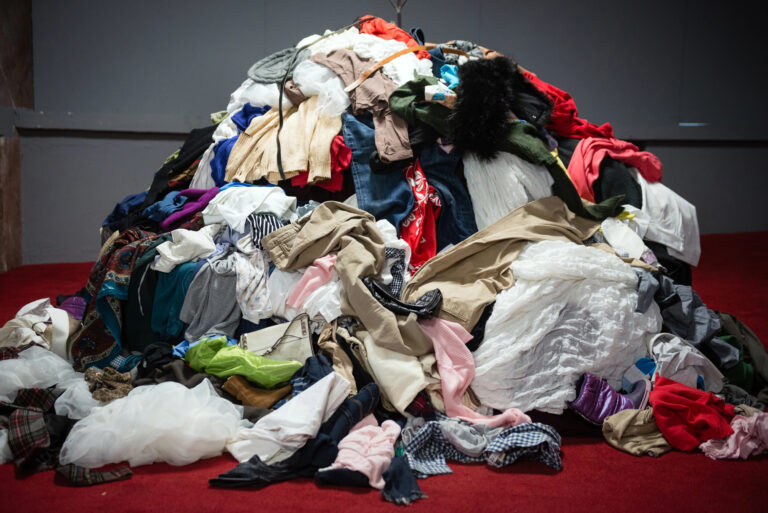
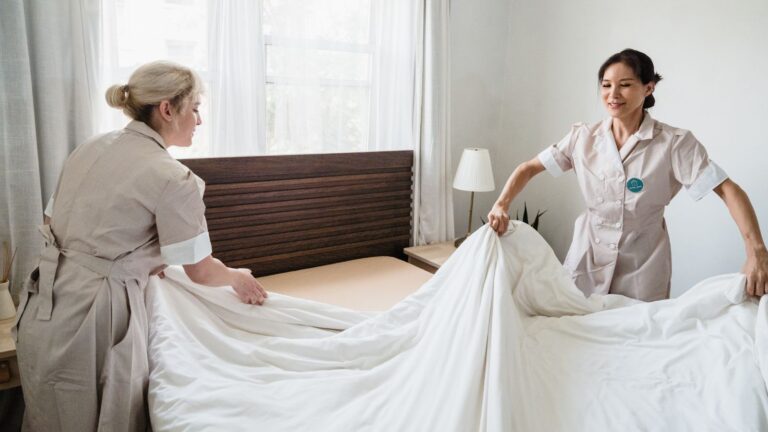
Housekeeping expects to tidy up, not recover from chaos. Leaving trash everywhere, food scattered, or stained linens makes their job significantly harder. Keeping things reasonably neat during your stay is just basic courtesy.
Sneak in Extra Guests
Hotels set occupancy limits for safety reasons. Bringing unregistered guests into your room, especially overnight, can violate fire codes and hotel policy. If plans change, let the front desk know rather than risking fees or eviction.
Leave Your Door Unlocked
It sounds obvious, but travelers often forget to lock doors when stepping out briefly. Always engage the deadbolt when inside and lock the door when leaving, even for a few minutes. It’s a simple step that protects you and your belongings.
Invite Strangers Inside
Meeting new people while traveling is part of the experience, but bringing someone you don’t really know into your hotel room carries risk. Public areas like hotel lounges or restaurants are safer choices for new connections.
Ignore Maintenance Problems
If something breaks or isn’t working properly, report it right away. A leaking faucet, a malfunctioning AC, or a broken lamp might seem minor, but not reporting it can lead to bigger issues or, worse, being blamed for damage.
Leave Valuables in Plain Sight
Even in reputable hotels, it’s smart to use the in-room safe for passports, cash, and jewelry. If there isn’t one, ask the front desk about secure storage. Keeping valuables out of sight reduces unnecessary risk.
Walk Around Barefoot
It may feel harmless, but hotel carpets and floors aren’t always as spotless as they appear. Wearing socks or slippers protects you from germs and whatever might linger on those surfaces.
Use Public Wi-Fi Without Caution
Hotel Wi-Fi is convenient, but it’s still public. Avoid logging into sensitive financial accounts or entering personal information unless you’re using a secure connection or VPN. A little caution goes a long way.
Use Amenities Without a Quick Clean
Coffee makers, glasses, and ice buckets don’t always get the deep sanitation guests assume. A quick rinse before use adds peace of mind.
Lie Directly on the Bedspread
Here’s a travel tip many seasoned travelers know: decorative bedspreads and throw blankets aren’t always washed between guests. If you’re concerned, fold it aside and stick to the sheets underneath.
Try to Cook in the Room
Unless your hotel room includes a kitchen or kitchenette, cooking in the room can be dangerous. Hot plates, candles, and improvised cooking setups can trigger smoke alarms and cause damage. Save the culinary experiments for a proper kitchen.