During the Great Depression, families didn’t have the luxury of wasting money or resources. They had to make things work with what they had, often stretching a small amount into something that could last far longer than expected. Over time, those habits became second nature, simple, practical ways to live that prioritized resourcefulness over convenience.
Today, while the circumstances are different, the core idea still holds up. Stretching your budget isn’t just about spending less; it’s about using what you already have more intentionally. Many of the strategies people relied on back then can still help you save money, reduce waste, and become more self-reliant in your day-to-day life.
Here are some of the most practical Depression-era strategies that still make sense today.
Provide more of your own food
One of the most effective ways to stretch your budget is to rely less on the store. Even a small garden can make a noticeable difference over time. Growing a few vegetables, herbs, or staples from seed is often far more affordable than buying them repeatedly, and the quality tends to be better as well.
It doesn’t have to be overwhelming. Starting small and gradually expanding, whether that’s adding a few more crops or trying something new each season, can build into a steady, reliable food source.
Raise animals when it makes sense
For those with the space, raising animals can take self-reliance a step further. Chickens are often the easiest starting point, providing a steady supply of eggs with relatively low upkeep. Over time, some people expand into other livestock depending on their needs and resources.
It’s not for everyone, but for those who can manage it, it can significantly reduce grocery costs while giving you more control over your food supply.
Preserve what you grow
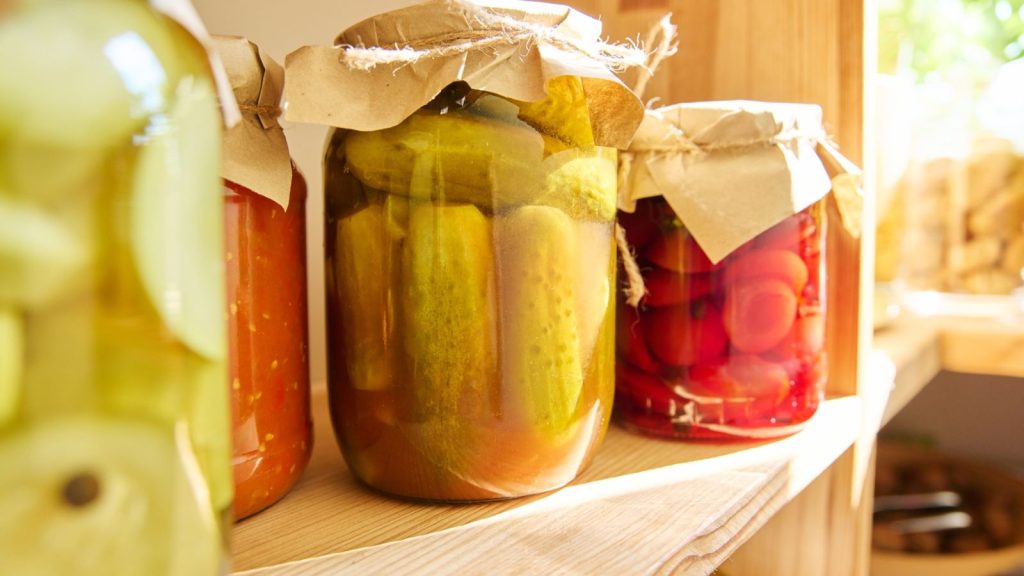
Growing food is only part of the equation; making it last is what really stretches your budget. During the Depression, preserving food wasn’t a hobby; it was a necessity.
Canning, freezing, drying, and proper storage all help extend the life of what you produce. Even simple steps, like freezing extra vegetables or learning how to store root crops properly, can reduce how often you need to buy fresh items.
Related: 13 Gardening Antiques Collectors Love and Often Pay Up For
Make better use of leftovers
Waste wasn’t an option during hard times, and that mindset remains one of the easiest ways to save money. Leftovers can be turned into entirely new meals with a little creativity, whether that’s repurposing vegetables into soups or using extra meat in a different dish later in the week.
Getting into the habit of using everything you cook helps stretch your food further without feeling like you’re cutting back.
Learn to forage safely
Foraging was once a common way to supplement meals with seasonal foods. While it requires knowledge and care, learning to identify a few safe, local edible plants can add variety to your diet at no cost.
Even something as simple as gathering berries or herbs when they’re in season can reduce what you need to buy.
Stock up on basic ingredients
Instead of relying on packaged foods, Depression-era households focused on simple staples that could be used in multiple ways. Buying items like grains, flour, oats, and dried beans in bulk is still one of the most cost-effective ways to build a pantry.
These ingredients last a long time when stored properly and can serve as the base for countless meals, making them a reliable way to stretch your grocery budget.
Eat less meat when you can
Meat has always been one of the more expensive parts of a meal, which is why many families relied more heavily on grains, beans, and vegetables. Those same choices can still help reduce your grocery bill today.
Incorporating more plant-based meals doesn’t mean sacrificing nutrition. Foods like beans and whole grains can be filling, versatile, and surprisingly affordable.
Trade and share with others
Community played a big role in getting through difficult times. Bartering goods or sharing resources with neighbors can still be a practical way to save money.
If you have something extra, whether it’s produce from a garden or a skill you can offer, it can often be exchanged for something you need, reducing the need to spend cash.
Make more from scratch
Convenience comes at a cost, and making food at home is often much cheaper than buying it pre-made. Baking bread, preparing simple snacks, or cooking meals from basic ingredients can add up to noticeable savings over time.
You don’t have to do everything yourself, but choosing a few things you already enjoy making can make the process feel manageable rather than overwhelming.
Related: 13 Gardening Tips Everyone Swears By (That Don’t Always Work)
Learn basic repair skills
During the Depression, replacing something wasn’t always an option, so people learned to fix what they had. Basic skills like simple carpentry or household repairs can save you from having to pay for replacements or professional services.
Even small fixes can extend the life of everyday items and keep more money in your pocket.
Handle minor health needs at home
Knowing basic first aid was another practical skill that helped families avoid unnecessary expenses. Being able to treat minor cuts, burns, or common issues at home can reduce trips for professional care when it’s not truly needed.
It’s a simple way to stay prepared while keeping costs down.
Reuse what you already have
One of the most important habits from that time was simply making the most of everything. Instead of throwing items away, people found ways to reuse or repurpose them.
Glass jars became storage containers, scraps were turned into something useful, and very little went to waste. Adopting that mindset today can reduce how much you buy and help you get more value out of what you already own.