Walking into my grandma’s house always felt like stepping into a different time. The furniture, the décor, even the little everyday items had been there for as long as I could remember. Most of it blended into the background, and honestly, I never thought much of it growing up.
But after spending some time going through her attic, I started to realize something: some of these “old things” weren’t just sentimental. They could actually be worth real money.
Before getting into it, it’s worth knowing what qualifies as a true antique. In general, an item needs to be at least 100 years old to be considered an antique. Anything newer might still be collectible, but it falls into the “vintage” category instead.
With that in mind, here are some of the types of antiques that often get overlooked but could actually be worth a small fortune.
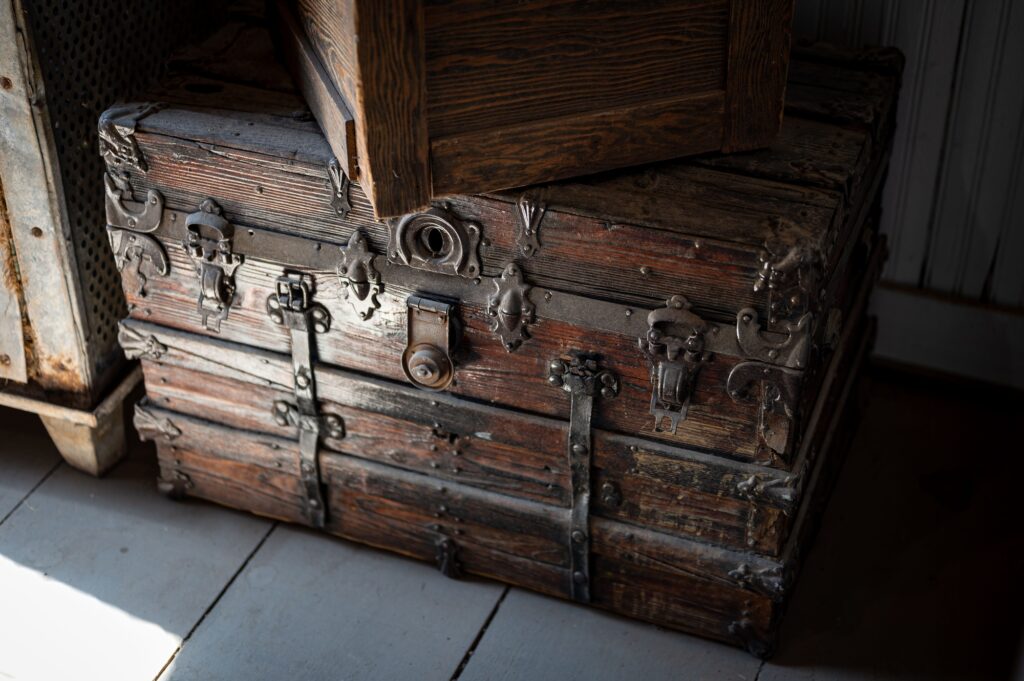
Antique Trunks and Steamer Chests
Old travel trunks often show up in attics and basements, and many date back to the late 1800s or early 1900s. Early trunk makers can be extremely valuable, but even unbranded trunks with original interiors and hardware can still sell well.
Related: How to Upcycle Vintage Suitcase into a Nightstand
Antique Musical Instruments
Instruments like violins, mandolins, or early pianos that are over 100 years old can be worth quite a bit, even if they need restoration. Maker labels, craftsmanship, and condition all play a role in determining value.
Antique Buttons and Sewing Notions
Old buttons made from materials like mother-of-pearl, glass, or metal can be collectible. Large collections or rare designs are especially appealing to collectors and crafters.
Related: Stitch by Stitch, Sewing Is Reemerging as a Skill Worth Learning Again
Pocket Watches
Before wristwatches became standard, pocket watches were common—and many from the 1800s are now valuable. Gold cases, detailed engravings, and well-known makers can significantly increase value.
Antique Jewelry
One of the most surprising finds was a small box of old jewelry that had clearly been tucked away for decades. These weren’t costume pieces; they were older items made with real gold, silver, and natural stones.
Antique jewelry from the Victorian or Edwardian era is especially sought after. Handcrafted details, old-cut gemstones, and unique settings can make these pieces incredibly valuable, even if they look a little worn at first glance.
Antique Maps and Prints
Old maps, especially from the 18th and 19th centuries, can be worth a surprising amount. Framed or stored maps showing historical regions or early cartography are particularly desirable.
Handmade Furniture from the 1800s
Furniture from the 19th century, especially Victorian or earlier, can be worth quite a bit, particularly if it hasn’t been heavily altered. Pieces with original hardware, carvings, or finishes tend to attract the most interest.
Related: 10 Places That Will Take Your Furniture Donations
Rare and Antique Books
Grandma always kept books, and some of them dated back well over a century. Older books, especially first editions or historically significant prints, can be incredibly valuable depending on their condition.
Things like original bindings, early print runs, and even handwritten notes can all increase value. Even if a book looks worn, it’s still worth taking a closer look before assuming it’s just for decoration.
Related: Books You Should Never Leave Behind at the Thrift Store
Early Coins and Currency
A small tin tucked away in a drawer held a mix of coins, some dating back to the 1800s. Coins like these can be worth far more than their face value, especially if they’re rare, have minting errors, or were produced in limited quantities. Condition plays a big role, but even circulated coins can still hold value.
Antique Postcards and Paper Ephemera
Stacks of old postcards and paper items might not seem like much, but if they’re over 100 years old, they can fall into the antique category.
Postcards from the early 1900s, especially those with unique artwork or tied to historical events, are collectible. Sets or themed collections tend to be even more desirable.
Sterling Silverware and Serving Pieces
Tucked away in a cabinet was a full set of silverware that hadn’t been used in years. Pieces like this, especially if they’re sterling silver and over a century old, can carry both material and collectible value.
Hallmarks or maker’s stamps are key here; they can tell you exactly where and when the piece was made.
Antique Quilts and Textiles
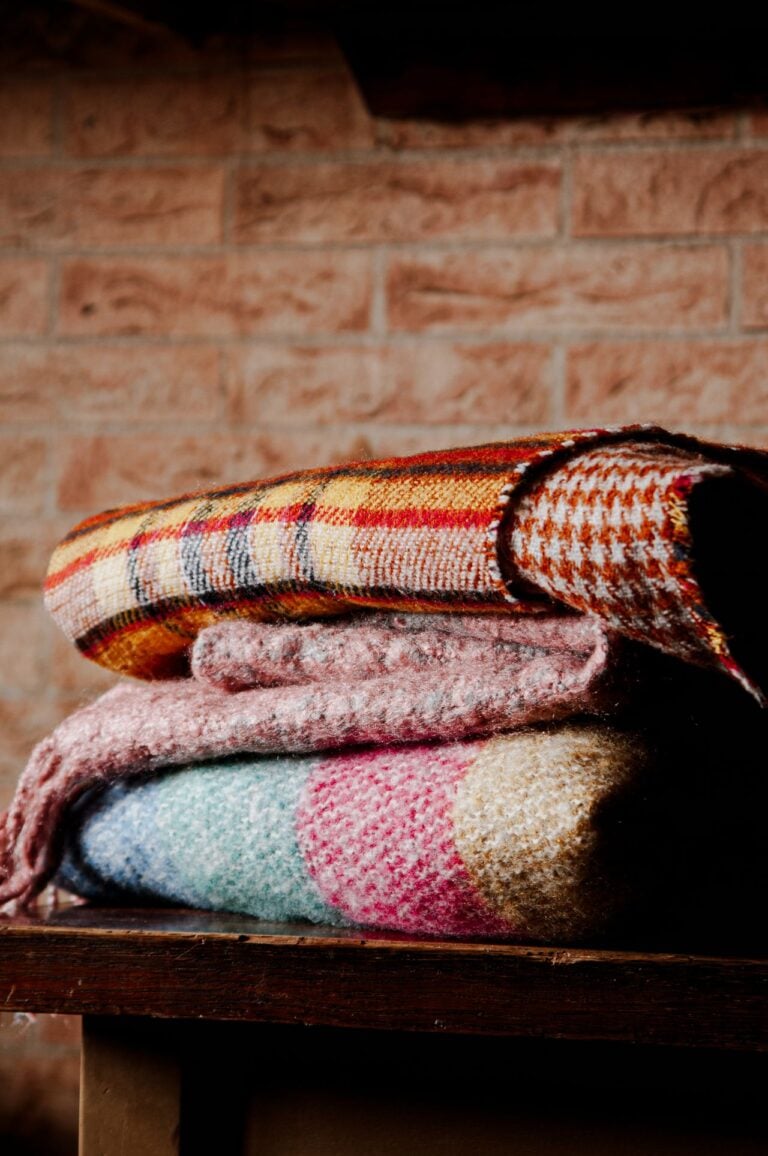
Old quilts are easy to overlook, but handmade pieces from the 1800s or early 1900s can be incredibly valuable.
The stitching, patterns, and materials all tell a story. Certain quilts, especially those tied to specific regions or traditions, can be highly sought after by collectors.
Oil Paintings and Original Artwork
Original oil paintings, even from lesser-known artists, can have value if they’re from a recognized time period or style. The age, subject matter, and condition all play a role in determining worth.
Hand-Blown Glass and Early Ceramics
Glassware and ceramics made before mass production became common often have unique details that set them apart.
Pieces like hand-blown glass vases or early European ceramics can be valuable, especially if they’re signed or come from known makers. Slight imperfections are often a sign of authenticity, not damage.
Antique Mirrors and Decorative Pieces
Large mirrors, ornate frames, and decorative items from the 18th and 19th centuries are often more valuable than they appear.
Details like hand-carving, gilding, and aged finishes add to their appeal. Even signs of age, like slight discoloration, can actually increase their character and value.
Persian Rugs and Handwoven Textiles
Rolled up in a corner or covering the floor, old rugs are another item that can easily be overlooked.
Handwoven rugs, especially Persian rugs made before the 20th century, are prized for their craftsmanship and natural dyes. The older and more detailed the rug, the more valuable it tends to be.
Other Posts You Might Like
- 20 Collectibles in Your Parents’ House That Could Be Worth a Fortune
- 13 Random Items in Your Home That Could Be Worth Thousands
- From Oil Lamps to Porcelain Pigs, These Are the Strangest Things People Collect
- 13 Garage Sale Items That Collectors Actively Look For (and Pay Well For)
- 17 Everyday Items in Your Kitchen That Are Secretly Valuable