For generations, pioneers and early homesteaders relied on practical skills to feed their families, build their homes, and solve everyday problems without modern conveniences. Many of those abilities slowly faded as technology made life easier and more dependent on stores, electricity, and outside services.
But the truth is, those old-fashioned skills still matter. Learning them now can help you become more independent, reduce your reliance on the grid, and give you the confidence to provide for yourself when systems fail or supplies run short.
Here are 14 pioneer skills worth learning if you want to live a little more self-reliantly.
Fishing
Fishing has long been one of the simplest ways to secure fresh protein from the land and water. Early settlers relied on rivers, lakes, and streams to supplement their food supply when crops were scarce.
Today, fishing remains a valuable skill for anyone interested in self-reliance. Knowing how to catch and prepare fish can provide a sustainable food source and help you rely less on grocery stores.
Gardening
Growing your own food is one of the most important skills pioneers practiced. A productive garden provided vegetables, herbs, and fruits that could feed a household throughout the growing season.
Even a small backyard garden can reduce your dependence on store-bought food. Learning how to plant, harvest, and maintain crops is a powerful step toward greater independence.
Hunting
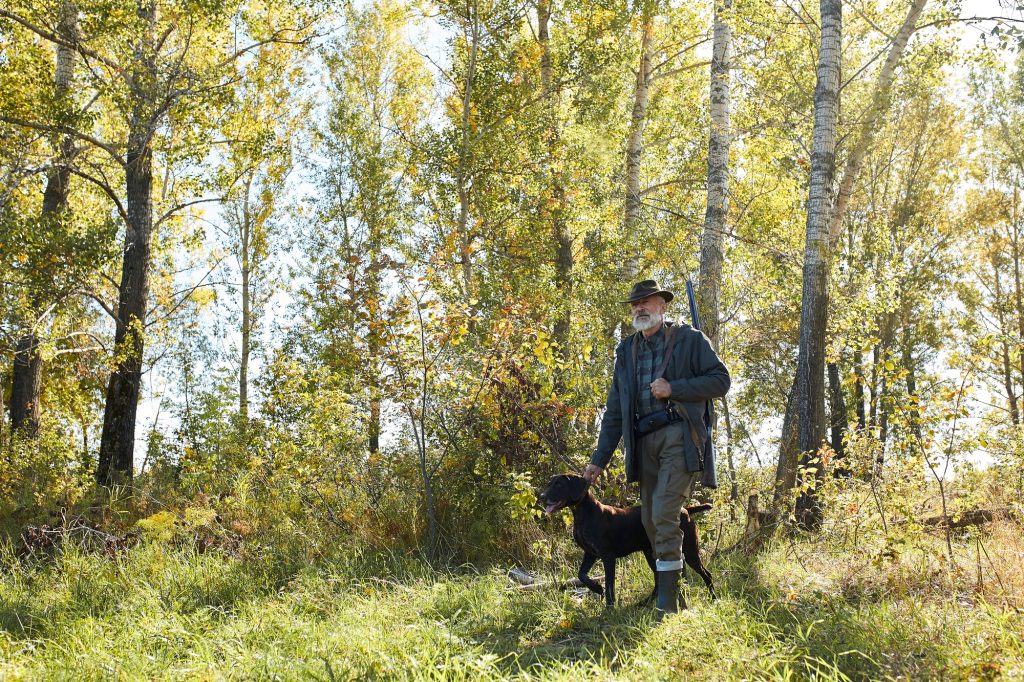
Hunting was a key survival skill for many pioneer families. Wild game provided a reliable source of meat and helped supplement what could be grown or raised on the homestead.
Learning to hunt today can reconnect you with traditional food sources while giving you more control over where your meat comes from.
Sewing and Mending
Before mass-produced clothing was widely available, families relied on sewing to repair and maintain garments. Mending torn fabric, patching worn areas, and replacing buttons helped extend the life of clothing.
Knowing how to sew today can save money and reduce waste. It also allows you to repair items instead of replacing them.
Basic Carpentry
Pioneers depended on carpentry skills to build homes, barns, furniture, and tools. Being able to work with wood meant they could repair structures and create what they needed from raw materials.
Even basic carpentry skills can help modern homeowners handle repairs, build useful projects, and avoid expensive service calls.
Foraging for Wild Food
Many early settlers knew how to identify edible plants, berries, and nuts growing in the wild. Foraging helped supplement their diet and provided food when harvests were poor.
Learning to safely identify wild foods can expand your food sources and deepen your understanding of the natural landscape around you.
Canning and Food Preservation
Before refrigeration existed, preserving food was essential. Families canned vegetables, fruits, and meats to store their harvest and keep food available through winter.
Canning remains one of the most reliable ways to build a long-term food supply. A pantry full of preserved food provides both security and convenience.
Cooking Without Electricity
Pioneers cooked meals over open fires, wood stoves, or simple tools like Dutch ovens. These methods allowed them to prepare food without relying on electricity.
Learning these traditional cooking techniques can be useful during power outages or off-grid living.
Cooking from Scratch
Processed foods didn’t exist for early settlers. Meals were made from simple ingredients grown, raised, or traded locally.
Cooking from scratch helps you rely less on packaged foods while giving you greater control over what you eat.
Related: 19 Frugal Depression Era Recipes That Were Cheap, Filling, and Surprisingly Tasty
Dehydrating Food
Drying food was one of the earliest methods of preservation. Fruits, vegetables, herbs, and meats could be dried and stored for months.
Dehydrating food today is still an effective way to preserve seasonal harvests and create lightweight, long-lasting foods.
Raising Livestock
Chickens, goats, and other livestock provided eggs, milk, and meat for pioneer families. Animals played an important role in maintaining a steady food supply.
Raising livestock today can provide fresh food while increasing your household’s self-sufficiency.
Butchering
When families raised or hunted animals, they also needed the skills to process the meat themselves. Butchering ensured that nothing went to waste.
Learning basic meat-processing skills allows you to make full use of the animals you raise or harvest.
Natural First Aid
Before modern medicine, people relied heavily on herbal remedies and plant-based treatments. Knowledge of local plants helped them treat common ailments.
Understanding natural remedies remains useful today, especially when combined with modern medical knowledge.
Basic First Aid
Accidents and injuries were part of everyday life on the frontier. Knowing how to treat wounds, burns, and illness was essential.
Learning first aid today ensures you can handle emergencies until professional help is available.