Most gardeners worry about plants not growing well, but there’s another side to that problem that doesn’t get talked about as much. Some plants grow a little too well. What starts as a pretty vine, shrub, or ground cover can quickly spread beyond where you planted it, taking over beds, climbing trees, and crowding out everything else.
These fast-growing, invasive plants don’t just take over your space; they can also disrupt the natural balance in your yard by pushing out native plants. And once they’re established, they can be surprisingly hard to get rid of.
Here are some plants to keep an eye on before they take over more than you planned.
Chinese Wisteria (Wisteria sinensis)
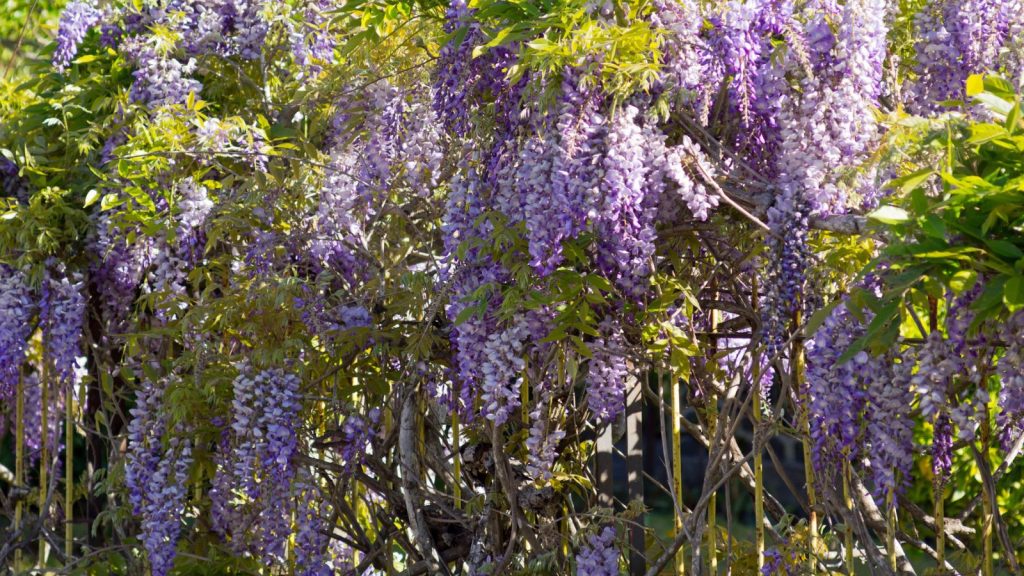
Wisteria is beautiful when it blooms, but it’s also one of the most aggressive climbers. It can twist tightly around trees and structures, eventually smothering them.
Keeping it under control requires regular cutting and maintenance.
Japanese Honeysuckle (Lonicera japonica)
This fast-growing vine is known for its sweet-smelling flowers, but it doesn’t stay contained for long. It quickly wraps around anything nearby and forms thick layers that block sunlight from reaching other plants.
Cutting it back regularly helps, but it often takes ongoing effort to keep it under control.
English Ivy (Hedera helix)
English ivy might look classic, climbing up a wall or a tree, but it spreads aggressively once established. It can cover trees so heavily that it blocks light and weakens them over time.
Removing it usually means digging out the roots completely, which can be more work than expected.
Japanese Barberry (Berberis thunbergii)
This thorny shrub is often planted for its color, but it forms dense thickets that are hard to manage. Once it spreads, it crowds out nearby plants and becomes difficult to remove.
Getting rid of it requires pulling up the entire root system to keep it from returning.
Privet (Ligustrum species)
Privet hedges were once popular, but they rarely stay where you want them. They spread quickly and form thick growth that takes over garden edges and open areas.
Pruning can slow it down, but fully removing it often takes more effort.
Periwinkle (Vinca minor)
Periwinkle is often used as ground cover because it fills in quickly, but that’s also the problem. It spreads into dense mats that make it hard for anything else to grow.
Regular pulling or cutting can help keep it from taking over completely.
Autumn Olive (Elaeagnus umbellata)
This shrub grows quickly and produces plenty of berries that birds readily spread. Before long, it can start popping up in areas where you never planted it.
Cutting it back and treating the stump is usually needed to stop it from returning.
Burning Bush (Euonymus alatus)
Known for its bright red fall color, burning bush spreads more than people expect. Birds carry the seeds, and they can quickly move beyond your garden beds.
Pulling young plants early makes a big difference before they take hold.
Related: DIY Bird Feeder with Popsicle Sticks for Kids to Make
Japanese Knotweed (Fallopia japonica)
This is one of the most aggressive plants you can deal with. It spreads through underground roots and can even damage structures as it grows.
Once it’s established, it’s very difficult to remove and often requires serious effort.
Bamboo (Phyllostachys and similar species)
Some types of bamboo spread rapidly underground, sending up shoots far from where you planted them. Before long, it can take over large sections of your yard.
Even with cutting, it can be difficult to fully contain without barriers.
Butterfly Bush (Buddleja davidii)
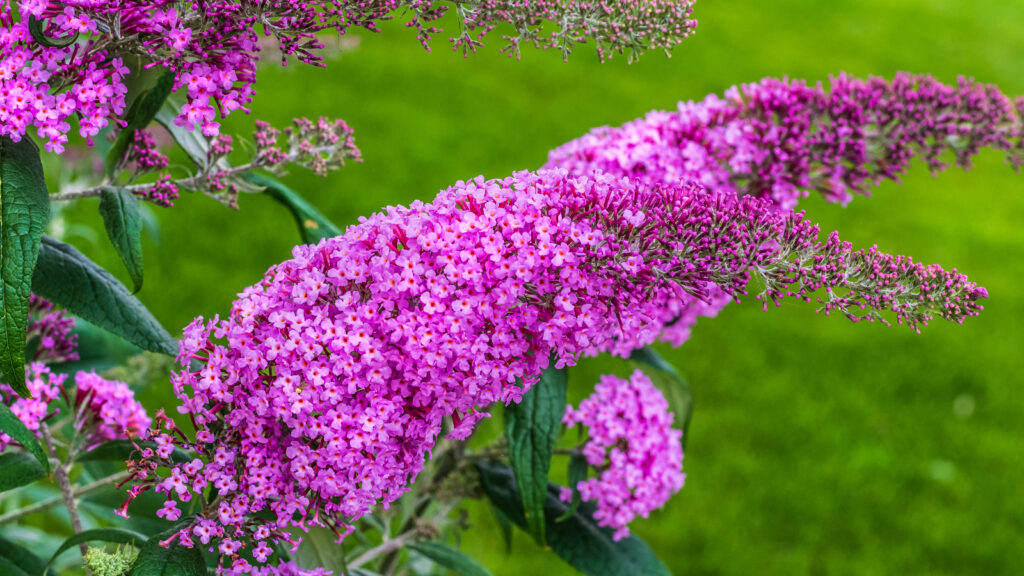
It’s often planted to attract pollinators, but it produces many seeds that spread easily. It can quickly establish itself in unwanted areas.
Catching and removing young plants early helps prevent them from spreading.
Related: 10 Foods You Should Always Keep Out of Bird Feeders
Mimosa Tree (Albizia julibrissin)

This fast-growing tree spreads through both seeds and roots. It can quickly fill open areas and crowd out other plants if left unchecked.
Managing it often means cutting it back and controlling new growth.
Other Topics You Might Like
- 13 Gardening Antiques Collectors Love and Often Pay Up For
- I Stopped Buying Fertilizers After Years of Gardening and Started Using This Instead
- Some of the Best Gardening Tips I Ever Got That Break All the Rules
- 9 Vintage Gardening Tools Hiding in Grandma’s Potting Shed— Some Could Be Worth a Small Fortune