In the 70s, watching TV wasn’t as simple as grabbing a remote and opening a streaming app. Television was more of a ritual. You adjusted things. You waited for shows to come on at a certain time. And if something didn’t work, you physically got up and fixed it.
Along with the bulky sets and wood-paneled living rooms came a whole collection of gadgets that once felt essential but would seem completely unnecessary (and confusing) today.
Here are 13 TV accessories from the ’70s you probably forgot existed.
1. Static Dischargers
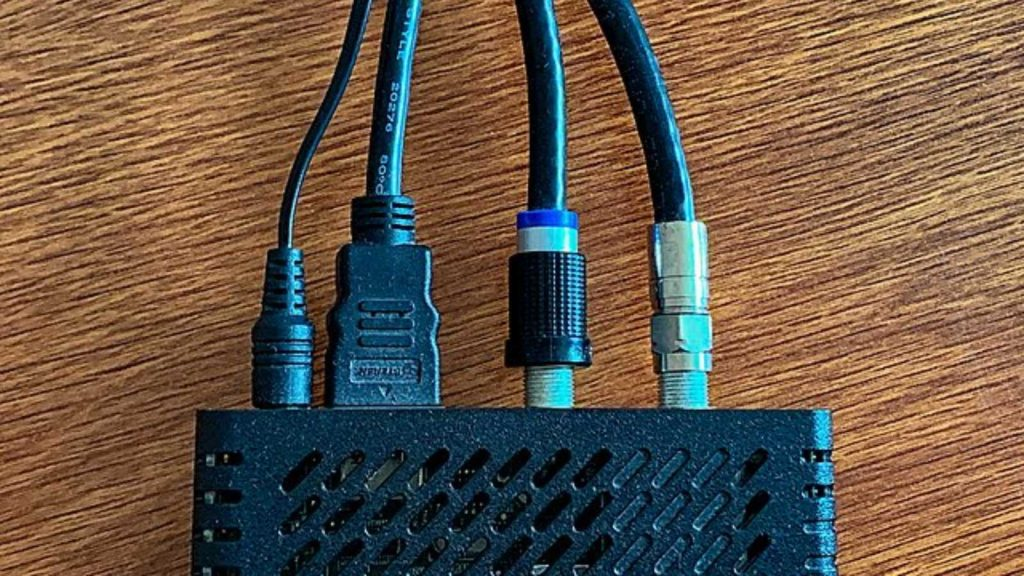
Old tube TVs built up static electricity and dust. Static dischargers are plugged into the TV to help reduce that crackling shock feeling when you touch the screen. They didn’t eliminate it completely, but they helped.
2. Channel Lock Boxes
Before digital parental controls, there were channel lock boxes.
These small devices physically blocked access to certain channels. They weren’t exactly high-tech, and determined kids usually figured them out, but they gave parents at least some sense of control in the early days of expanding TV content.
3. Rabbit Ear Antennas

If you grew up in the ’70s, you remember adjusting rabbit ears. Two metal rods sat on top of the television, and if the picture got fuzzy, someone had to get up and move them — sometimes adding a bit of foil for “extra signal.”
It was trial and error… mostly error.
4. Rooftop Antenna Rotators
For households serious about reception, rooftop antennas were paired with indoor rotary controllers. You’d slowly turn a dial to rotate the antenna outside, hoping the picture would clear up. Turn too far? Start again.
Watching TV sometimes felt like tuning a radio tower.
5. TV Trays
Dinner in front of the television wasn’t new, but in the ’70s, it came with matching foldable TV trays.
They were lightweight, portable, and often decorated with patterns or show themes. They made watching your favorite program feel like an occasion.
6. Ultrasonic “Clicker” Remotes
Early remotes didn’t use infrared or Bluetooth. They used ultrasonic sound waves.
Each button made a specific clicking noise that the TV recognized. The downside? Sometimes, jangling keys or certain household noises could accidentally change the channel.
It was primitive couch control but revolutionary at the time.
7. Sign-Off Test Patterns
Unlike today’s 24/7 broadcasting, channels in the ’70s signed off overnight. If you turned on the TV too late (or too early), you were greeted by color bars and a high-pitched tone. That test pattern is permanently etched into many memories.
8. The Magnavox Odyssey
One of the earliest home gaming systems, the Magnavox Odyssey blurred the line between TV accessory and entertainment revolution.
Games were simple dots and lines, and screen overlays were taped onto the television to simulate backgrounds. But at the time, it felt futuristic.
9. 8-Track Players Built Into TV Units
Some television sets doubled as music systems, complete with built-in 8-track players. You could go from watching a show to playing music in seconds, though “seamless” wouldn’t be the right word.
10. Wooden TV Cabinets
In the ’70s, a TV wasn’t just electronics. It was furniture. Large wooden cabinets with doors, carved details, and glossy finishes were common. Some families even closed the cabinet doors when guests came over.
Compare that to today’s thin, wall-mounted screens.
11. Manual Channel Dials
Before remote convenience was widespread, changing the channel meant physically turning a dial. You’d hear a satisfying click with each turn — and if you overshot your station, you had to circle back.
No scrolling. No previews. Just patience.
12. Zenith Space Command Remotes

Zenith helped popularize wireless remotes with its Space Command system. They were heavy, durable, and often used mechanical components instead of electronic buttons. They felt more like tools than gadgets.
13. Early Video Game Adapters
Hooking up a console in the late ’70s wasn’t plug-and-play. You often needed a special adapter screwed into the back of the TV. Setup could be frustrating, and success wasn’t guaranteed on the first try.
Compared to today’s HDMI cables, it felt like a technical project.