For years, interiors have been designed with daylight in mind. Bright kitchens, airy living rooms, and neutral palettes shaped how homes looked from morning through late afternoon. But a quieter shift is happening, one that focuses less on how a space looks at noon, and more on how it feels at night.
The “midnight hour” is emerging as one of the most compelling interior trends of 2026. Rooted in deep color palettes, layered lighting, and tactile materials, it reflects a growing desire for spaces that feel calm, immersive, and slightly indulgent once the day winds down.
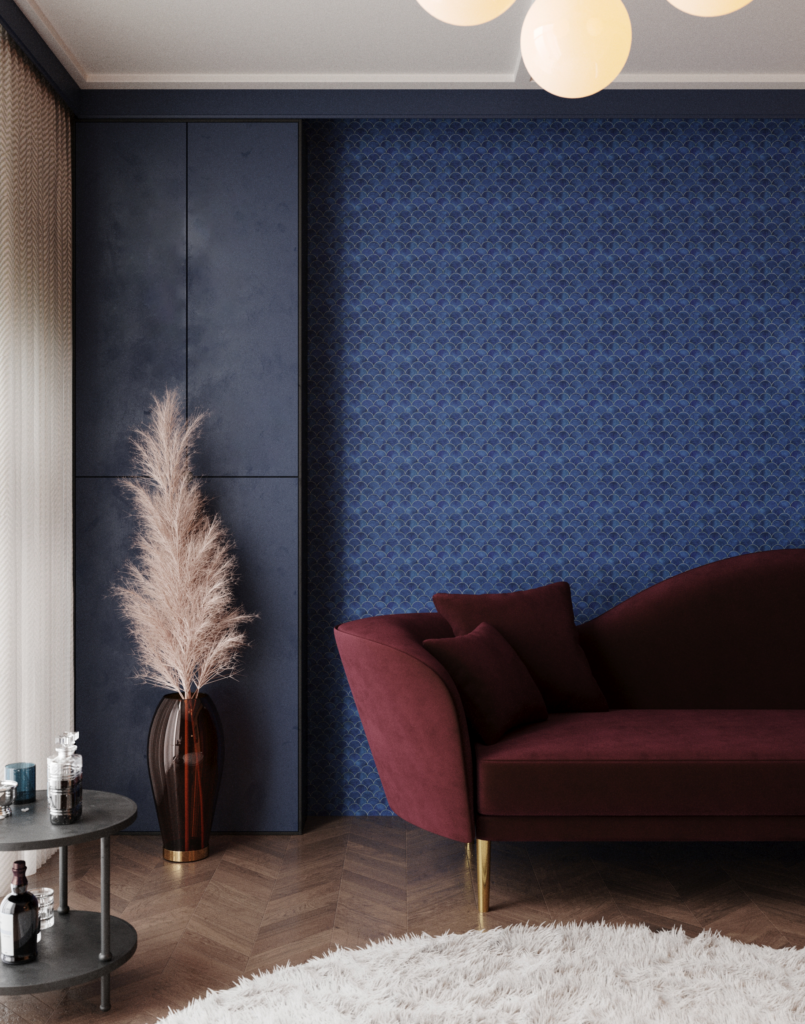
Designing for the Evening, Not Just the Day
Rather than prioritizing brightness and openness, midnight-inspired interiors are built around atmosphere. The focus shifts from function to feeling, how a room settles in after sunset, how light softens edges, and how color deepens as the evening unfolds.
“The midnight hour is about designing for mood rather than just function,” says James Mellan-Matulewicz, Creative Director at Bobbi Beck. “People want homes that feel like an escape in the evening, where palettes and layered lighting create that sense of atmosphere.”
It’s a subtle but meaningful shift. Homes are no longer just places to pass through during the day, they’re becoming destinations for rest, reflection, and connection at night.
The Rise of Night-Inspired Color Palettes
At the heart of the midnight hour aesthetic is a palette drawn directly from the night sky. Deep inky blues, rich navies, and layered teals create a cocooning backdrop that feels both grounding and luxurious.
These darker tones mark a departure from the stark minimalism that dominated the early 2020s. Instead of light-reflecting whites and soft beiges, homeowners are embracing color in a way that feels more immersive.
Used thoughtfully, these shades don’t make a room feel smaller; they add depth. When layered with subtle variations of the same hue, they create movement and richness that shift with the light throughout the evening.
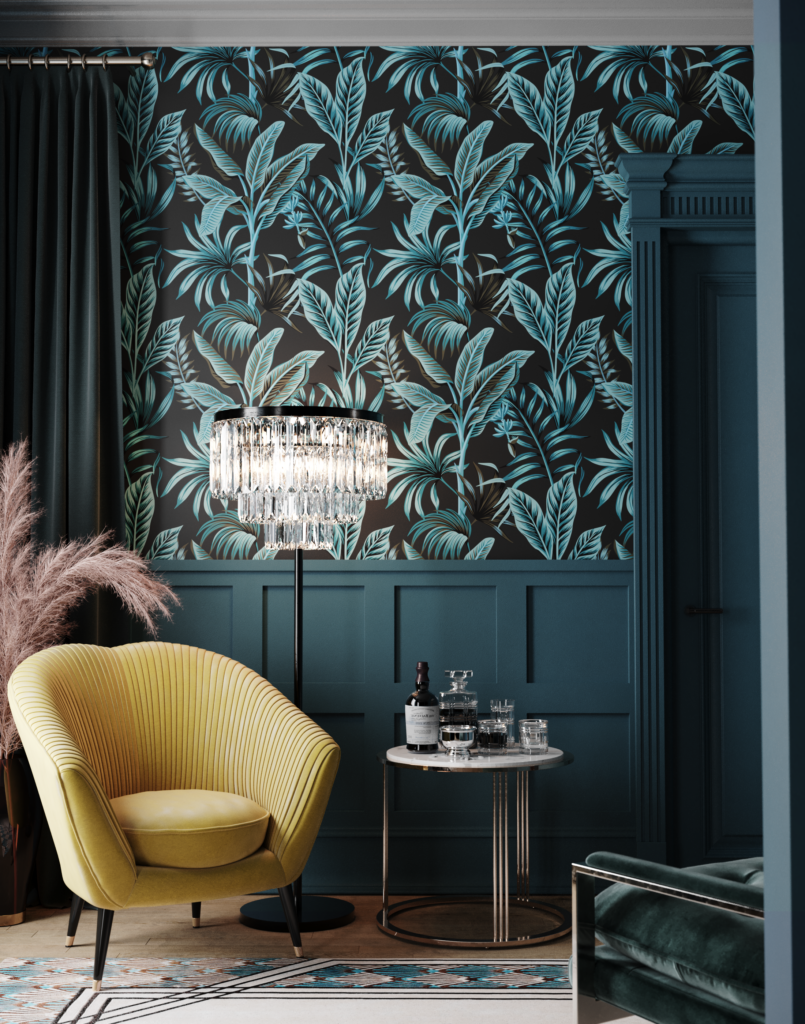
Lighting That Shapes the Mood
If color sets the tone, lighting defines the experience.
In midnight-inspired interiors, harsh overhead lighting is replaced with softer, more intentional sources. Table lamps, wall sconces, and sculptural pendants create pockets of warm light that draw you into the space rather than flood it.
The result is a more cinematic environment, one that feels designed to be experienced slowly.
This approach mirrors the atmosphere of cocktail bars, boutique hotels, and intimate dining spaces, where lighting plays just as important a role as décor. Increasingly, homeowners are bringing that same layered, ambient feel into their own spaces.
Texture as a Form of Comfort
Material choices play a key role in bringing midnight interiors to life. Rather than relying solely on color, the aesthetic leans into texture to create warmth and softness.
“We’re seeing a lot of layered looks in 2026, especially a combination of different materials,” Mellan-Matulewicz explains. “Velvet, bouclé, and leather all enhance the sense of luxury in midnight-inspired interiors. Pairing these with statement pieces like glass vases or plush rugs helps the space feel warm and inviting.”
These tactile elements prevent darker palettes from feeling flat. Instead, they create a layered environment that feels rich, comfortable, and lived in.
Creating Depth Without Heaviness
One of the biggest misconceptions about darker interiors is that they feel heavy or closed in. The midnight-hour aesthetic challenges that idea by emphasizing balance.
Layering is key. Techniques like tonal decorating and color blocking help create cohesion while still introducing variation. Painting walls, trim, and doors in similar tones helps the space feel seamless, while subtle shade shifts add dimension.
Wallpaper can also play an important role, adding texture and pattern without disrupting the overall mood. When chosen within the same color family, it enhances the atmosphere rather than competing with it.
The goal isn’t to darken a space, it’s to deepen it.
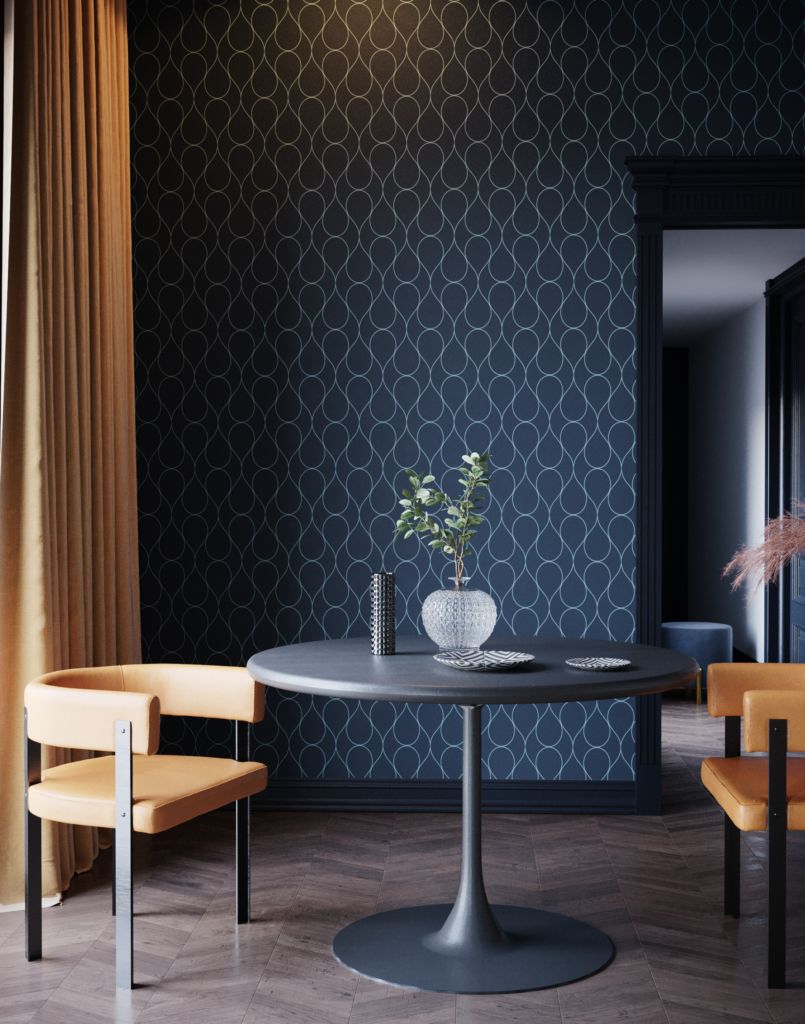
Homes That Come Alive at Night
The rise of the midnight hour is closely tied to broader lifestyle changes. As people spend more time at home, whether entertaining, unwinding, or simply slowing down, the way interiors function has evolved.
Homes are becoming more experiential. Living rooms double as evening retreats. Dining spaces feel more intimate. Even quiet corners are designed with intention.
This shift reflects a growing appreciation for the hours after dark, the time when a home feels most personal.
A More Emotional Direction for Interiors
As design continues to move away from purely neutral schemes, the midnight hour signals a broader change in how we think about our spaces.
It’s no longer just about creating something visually appealing. It’s about creating an environment that feels a certain way, calm, enveloping, and quietly luxurious.
In that sense, the midnight hour isn’t just a trend. It’s a new way of designing for the moments that matter most, long after the sun has gone down.