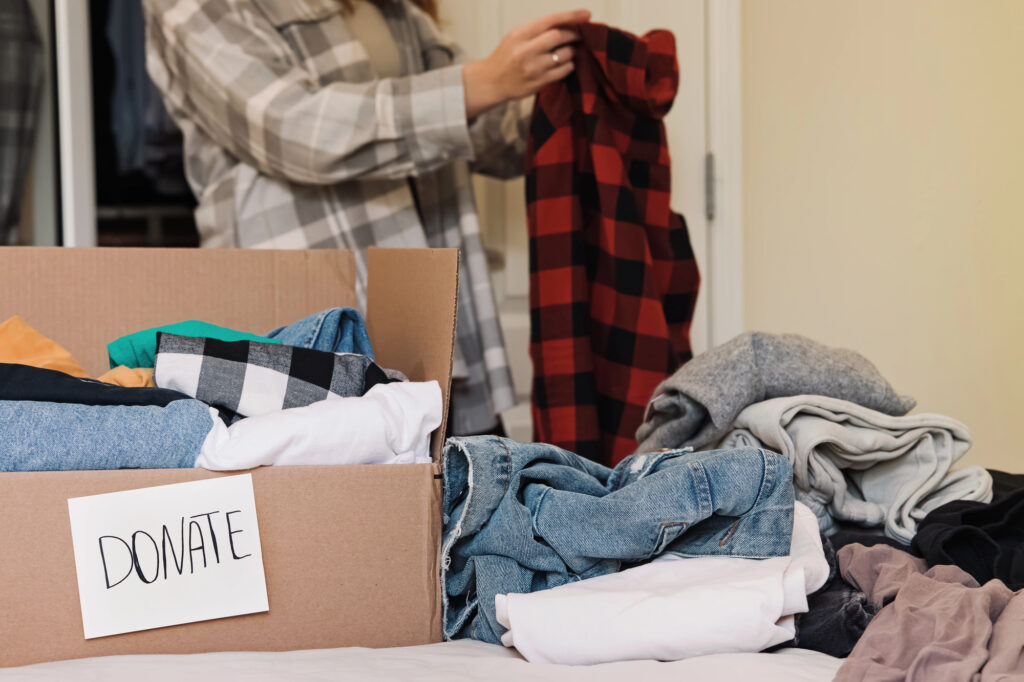
Before you donate boxes of old belongings or haul furniture to the curb, it’s worth slowing down for a moment. When families clean out a parent or grandparent’s home, it’s easy to assume that most of the items are outdated or no longer useful. But mixed in with everyday household items are often pieces that carry family history, craftsmanship, or even surprising value.
The tricky part is that many heirlooms don’t always look like what you’d expect to see in an antique shop. They might be tucked in a drawer, stored in a box in the attic, or sitting quietly in the back of a cabinet. What looks like ordinary clutter could actually be something meaningful worth saving for the next generation.
If you’re sorting through your grandmother’s belongings, take a second look before dropping certain things into the donation pile. Here are some items that are often worth holding onto.
Kitchenware
Kitchen tools that look ordinary today may have been staples in the home for decades. Cast iron skillets, copper cookware, rolling pins, and hand mixers were often made to last for generations.
With a little cleaning and care, many of these items can still be used today—and they often carry the memories of family meals and favorite recipes.
Clocks and Watches
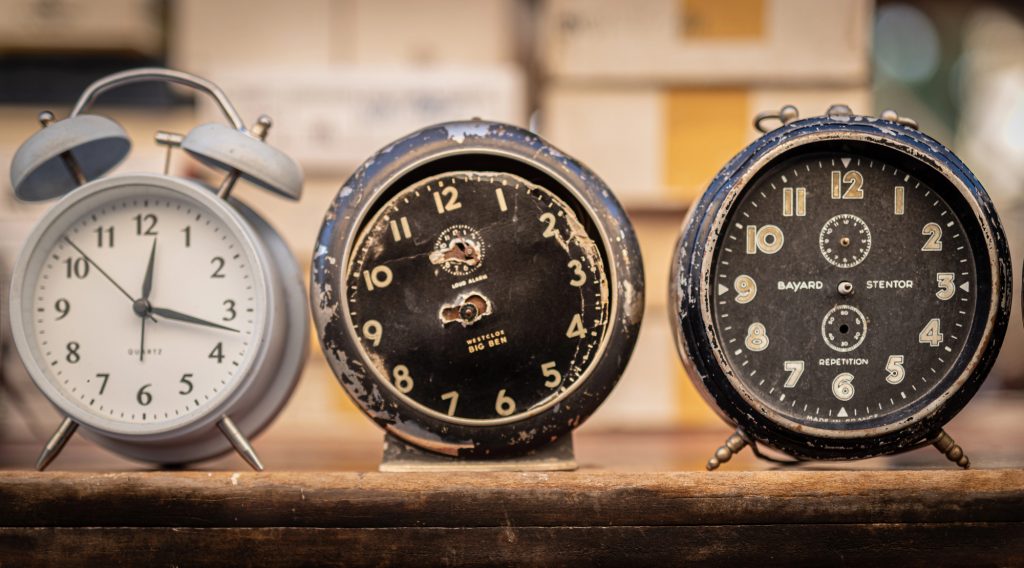
Older clocks and pocket watches were often crafted with meticulous attention to detail and durable mechanical parts. Even if they no longer work, they may be worth repairing.
Some antique timepieces are collectible, while others simply serve as beautiful reminders of the past.
Vintage Clothing and Accessories
Clothing tucked away in closets or garment bags can sometimes surprise you. Vintage handbags, coats, hats, and accessories may be made from materials and constructed in ways that are difficult to find today.
Designer labels, well-preserved garments, or unique styles from past decades can be appealing to collectors and vintage fashion enthusiasts.
Vintage Jewelry
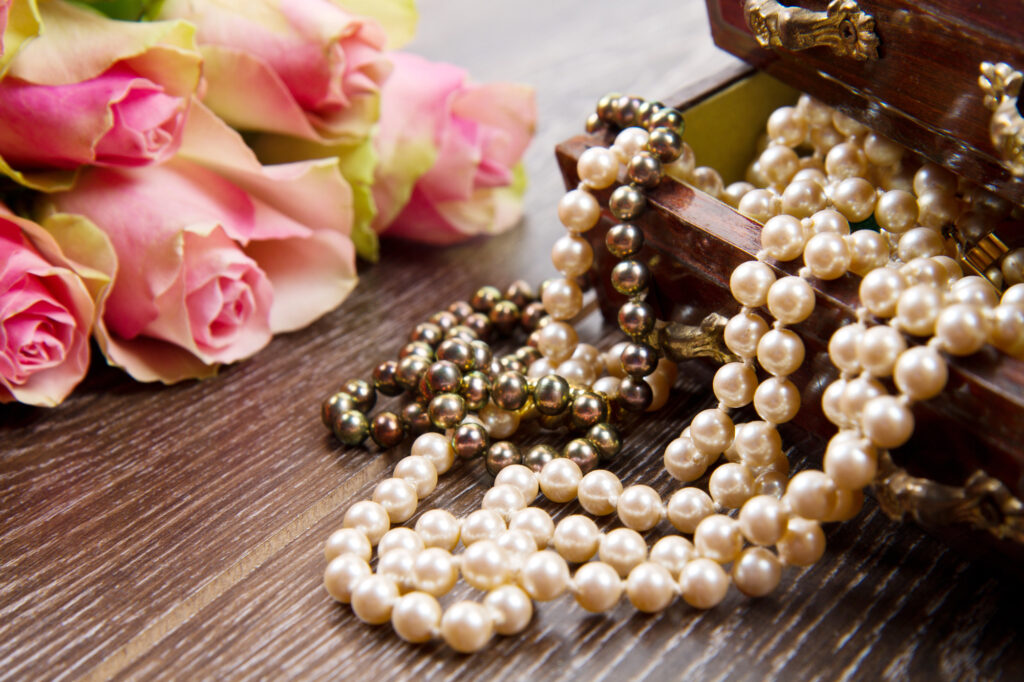
An old jewelry box can hold more than just costume pieces. Brooches, lockets, rings, and bracelets were often passed down through families, and some may be made with real gold, silver, or gemstones, even if they don’t look flashy.
Even pieces that appear worn or slightly damaged can be valuable or meaningful. Beyond their potential resale value, jewelry often carries personal stories—perhaps something your grandmother wore to a special event or received as a gift decades ago.
Handwritten Letters and Diaries
Handwritten letters, notebooks, and diaries offer a glimpse into everyday life from another era. In a world where most communication happens digitally, these personal writings have become increasingly rare.
They can reveal family stories, relationships, and experiences that may otherwise be lost. For historians and genealogists, personal letters and journals are among the most valuable records of everyday life from earlier generations.
Old Tools
A rusted toolbox might not look like much at first glance, but many older tools were built with quality materials and craftsmanship that are hard to find today.
Hand planes, hammers, wrenches, and woodworking tools made decades ago are often sought after by collectors and hobbyists. Even if they aren’t particularly valuable, they can still serve as useful reminders of the work and skills that helped build your family’s home or livelihood.
Fine China and Dishware
Those carefully stored plates and teacups might have only come out for holidays or special occasions. While many younger households no longer use formal china sets, certain brands and patterns are still collectible.
Companies such as Wedgwood, Spode, and Limoges have long histories, and even partial sets may be desirable. Beyond value, these dishes often hold memories of family gatherings, celebrations, and traditions around the table.
Quilts and Handmade Textiles
Handmade quilts, table runners, embroidered linens, and crocheted blankets often represent hours—or even months of careful work.
Many were stitched by hand by relatives who passed down skills from generation to generation. Even if the fabrics show some wear, these textiles often tell stories about family traditions and the creativity of earlier generations.
Old Photographs
Boxes of faded photographs might seem mysterious if no one immediately recognizes the people in them. But these images can provide important clues about your family’s past.
Older photographs, especially those from the late 1800s and early 1900s, can also have historical or collectible value. Taking the time to ask older relatives about the people in the photos can help preserve stories that might otherwise disappear.
Furniture
Large pieces of furniture are often the first things families want to donate or sell when cleaning out a house. But many older pieces were built from solid wood using traditional joinery techniques, making them far more durable than modern mass-produced furniture.
A dresser, dining table, or rocking chair may simply need minor repairs or refinishing to become a beautiful and functional piece again.
Books and Family Bibles
Old books are easy to overlook, but certain editions can be surprisingly valuable. First editions, signed copies, or books with unusual bindings are often worth researching.
Family Bibles are especially important because they often contain handwritten records of births, marriages, and deaths that can help trace family history.
Vinyl Records and Cassette Tapes
Old music collections often get overlooked during a cleanout, but certain vinyl records and early recordings can be collectible. First pressings, rare albums, or records by influential artists can be valuable.
Even when they aren’t rare, they offer a nostalgic glimpse into the music that shaped earlier generations of your family.
Other Posts You Might Like
- 20 Collectibles in Your Parents’ House That Could Be Worth a Fortune
- 13 Random Items in Your Home That Could Be Worth Thousands
- From Oil Lamps to Porcelain Pigs, These Are the Strangest Things People Collect
- 13 Garage Sale Items That Collectors Actively Look For (and Pay Well For)
- 17 Everyday Items in Your Kitchen That Are Secretly Valuable