Thrifting is supposed to feel like a win. You find something unique, the price is right, and you walk out feeling like you scored. But every thrift store also has “almost good” items, things that look like a deal until you get them home and realize why they were donated in the first place.
The good news is that most regrets are avoidable. If you slow down and inspect carefully, you can spot the warning signs before you head to checkout.
Signs of Bed Bugs or Other Pests
This is one red flag you should never ignore. Inspect seams, corners, cushions, and undersides for small dark dots, shed skins, or clusters that look like debris. If you see anything suspicious, walk away immediately.
Major Wear, Damage, or Missing Pieces
A little wear is normal with secondhand items, but serious flaws usually aren’t worth the hassle. Missing buttons, cracked parts, warped wood, or broken zippers can turn into repairs that cost more than the item itself. If fixing it feels like a project you’ll keep postponing, it’s probably not a smart buy.
Deals That Seem Too Good to Be True
An unusually low price can sometimes signal hidden damage or a knockoff. While incredible bargains exist, examine heavily discounted items with extra care before buying.
Trendy Pieces Marked Up
When something goes viral online, thrift store prices can rise quickly. Buying purely because something is trending often leads to overpaying. Choose items you genuinely love, not just what social media celebrates.
Overpriced Everyday Items
Thrift stores are meant to offer value. If a basic mug, paperback, or plain shirt is priced close to retail, that’s a red flag. When pricing feels inflated for common items, you’re better off waiting for a better find.
No Clear Price Tag
Items without visible price tags can lead to awkward surprises at checkout. While some stores simply forget to tag items, others price them on the spot. If staff can’t give you a consistent answer, it’s safest to move on.
Strong Odors That Won’t Wash Out
A general thrift-store smell is common, but if a specific item smells strongly of smoke, mildew, or pet odor, think twice. Deep-set smells can linger even after washing or cleaning. If you’re hesitant in the store, it won’t improve once it’s home.
Related: How to Get Rid of That “Thrift Store Smell”
Stains and Discoloration
Some stains are cosmetic and removable, but others signal more serious damage. Yellowing, dark spots, or uneven fading can indicate old spills, mold, or fabric breakdown. If you can’t confidently explain the stain, assume it may be permanent.
Upholstery Filled with Pet Hair or Dander
Pet hair can become embedded deep in fabric and padding. Even if it looks clean, allergies or lingering odors could become an issue later. Always lift cushions and check crevices before committing.
Wobbly or Unstable Furniture
Scratches and age add character, but structural weakness is another story. Test legs, drawers, joints, and doors for stability. If it rocks or feels fragile in the store, it likely won’t improve at home.
Electronics You Can’t Test
If you can’t plug in an electronic item to confirm it works, you’re taking a gamble. Some stores offer a testing station; use them. A “no testing, no returns” situation is a common source of regret.
Frayed Cords or Outdated Wiring
Vintage lamps and appliances can be great finds, but damaged cords or exposed wiring are safety risks. If something looks brittle, cracked, or taped together, factor in repair costs—or skip it entirely.
Recalled or Potentially Unsafe Items
Baby gear, car seats, cribs, and older appliances may no longer meet safety standards. Without knowing the item’s full history, you could be bringing home something unsafe. Always double-check before buying high-risk items.
Counterfeit Designer Items
If stitching looks sloppy, logos seem slightly incorrect, or materials feel cheap, the item may be counterfeit. Thrift stores sometimes unknowingly carry replicas. When the branding doesn’t feel right, trust your instincts.
Designers Say These 12 Antiques Are About to Rise In Value
Missing Maker’s Marks or Brand Labels
If something is priced like an antique or designer piece but lacks any identifying marks, it may be a reproduction. Research quickly on your phone if needed. Paying up requires proof.
Rugs with Stiff Backing or Odors
Always inspect both sides of a rug. Stiffness can signal dry rot, and staining underneath may indicate pet accidents. Lingering smells are especially difficult to remove from rugs.
Dirty or Disorganized Store Conditions
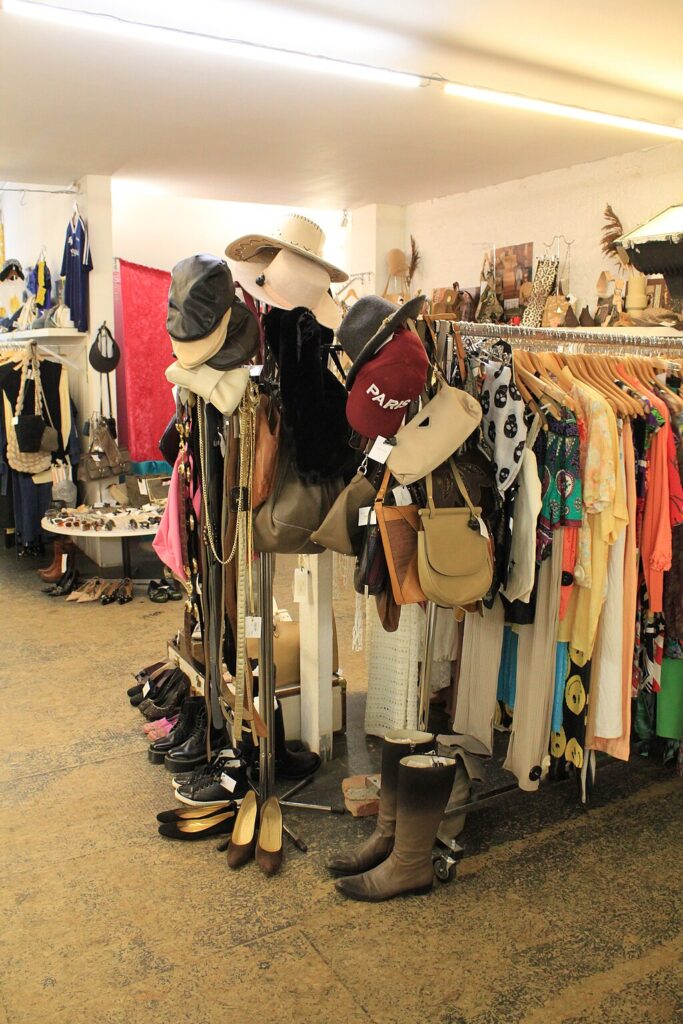
A cluttered store doesn’t always mean poor items, but it makes inspection harder. Dusty shelves and dim lighting can hide damage. When you can’t properly examine what you’re buying, you’re more likely to miss something important.
No Return Policy
Many thrift stores operate on a final-sale basis, which makes careful inspection even more important. When there’s no option to return an item, hesitation is usually your sign to pass.