The 1980s didn’t believe in restraint, especially when it came to interior design. Furniture from the era leaned all the way into excess, with loud colors, oversized shapes, and patterns that demanded attention. At the time, these looks felt bold and exciting. They were meant to impress, even overwhelm. Looking back now, though, many of those once-iconic styles feel dated at best and downright hard to love at worst.
Nostalgia has a funny way of softening our memories. It can make us smile fondly at old trends, while also leaving us wondering how we ever thought they were a good idea. Picture a living room filled with chrome accents, glass-top tables, and floral prints competing for dominance. It was a lot. Here are some of the most memorable and most questionable furniture trends that defined the decade.
Floral Upholstery
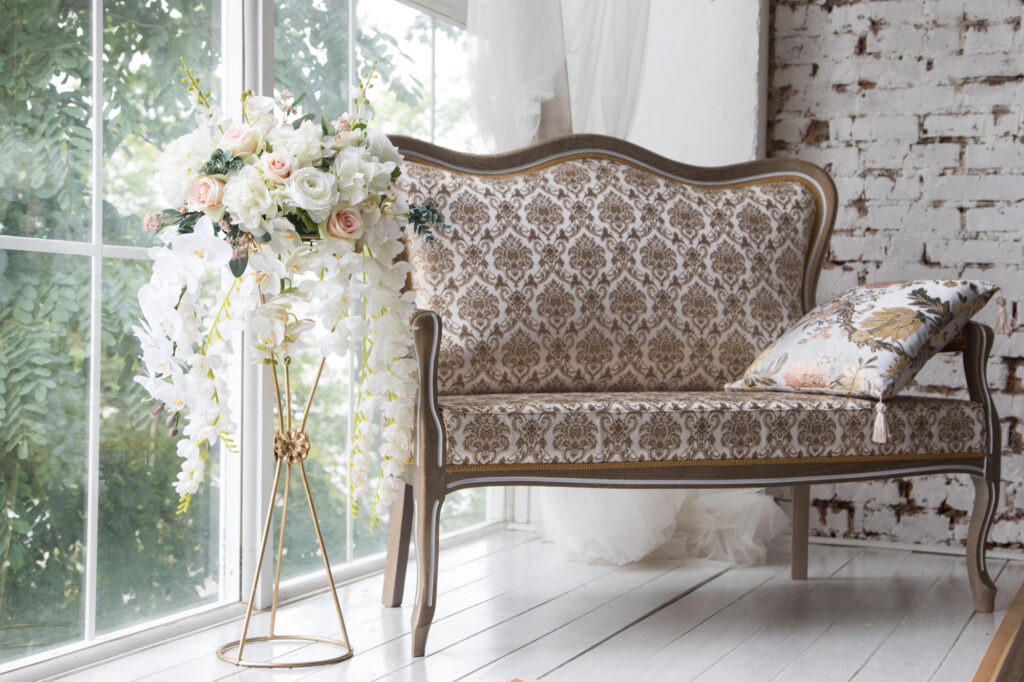
In the ’80s, floral prints were everywhere. Sofas, armchairs, and curtains, no surface was safe. These oversized, busy patterns turned many living rooms into something resembling an overgrown conservatory. Subtlety wasn’t the goal. At the time, florals were seen as elegant and refined. Today, they mostly just feel overwhelming.
Rattan Furniture
Rattan is having a modest revival, but the wicker-heavy approach of the ’80s went overboard. Entire rooms were outfitted with matching rattan chairs, tables, and ottomans. What was meant to feel breezy and vacation-inspired now often looks more like an accidental beach hut takeover.
Glass-Topped Tables
Glass tables with bulky stone, metal, or plaster bases were a staple of ’80s homes. They were considered sleek and futuristic, but in reality, they showed every fingerprint, scratch, and smudge. The heavy bases didn’t always help matters, often tipping the look from modern to clunky.
Pastel Color Schemes
Mint green, peach, and powder blue pastels defined the decade. Walls, upholstery, and accessories all leaned into these soft hues, inspired in part by the “Miami Vice” aesthetic. While once fresh and trendy, these washed-out shades can now make spaces feel tired rather than stylish.
Overstuffed Leather Sectionals
Big, shiny leather sectionals took over living rooms in the ’80s. They were oversized, heavily padded, and designed for maximum lounging. Today, their scale and glossy finish often feel more suited to an office waiting room than a comfortable home.
Brass Accents Everywhere
Brass was the metal of the moment. Lamps, mirrors, drawer pulls, picture frames, if it could be brass, it was. The high-shine finish was meant to signal luxury, but the sheer volume quickly became overwhelming. These days, brass works best in small doses rather than as a full-room feature.
Waterbeds
Few things scream 1980s quite like a waterbed. Once considered the ultimate symbol of relaxation and status, they were heavy, difficult to move, and notoriously prone to leaks. It’s no surprise that most people are happy to leave waterbeds firmly in the past.
Mauve Everything
Mauve had a serious grip on ’80s interiors. Walls, bedding, sofas, and entire rooms were drenched in this dusty pink-purple shade. While mauve still has its fans, the head-to-toe approach often leaves homes feeling flat and monochromatic.
Shiny Lacquered Surfaces
High-gloss lacquer finishes were everywhere, especially on bedroom furniture and entertainment centers. The reflective surfaces were meant to look glamorous, but often crossed into gaudy territory. The glare alone was enough to wear on your eyes.
Mirrored Walls and Furniture
Mirrors were used aggressively in ’80s decor, from full mirrored walls to dresser fronts and coffee tables. The goal was to make spaces feel larger and more luxurious. In practice, the effect often feels dated, and keeping those surfaces smudge-free was nearly impossible.
Southwestern Prints
Earthy tones and bold geometric patterns inspired by Southwestern design showed up on everything from sofas to wall hangings. While the style itself still has appeal, the ’80s version often went too far, overwhelming rooms and clashing with other decor elements.
Pop Art–Inspired Furniture
Bright colors, cartoonish shapes, and comic-book flair defined this trend. Influenced by pop art, these pieces were playful and bold but not always practical. For many homes, the look felt more like an art exhibit than a place to relax.
Lucite and Clear Acrylic
Lucite furniture promised a futuristic look, but it came with drawbacks. Clear chairs and tables showed dust and scratches instantly, and too much acrylic made the rooms feel cold and uncomfortable. Today, it works best as an accent, not a full-room commitment.
Country Kitsch

Country-style decor leaned heavily into gingham, distressed wood, and rooster motifs. The intention was cozy farmhouse charm, but the execution often veered into cluttered, kitschy territory, especially when every piece followed the theme.