Most of us think of home as the safest place for our families. But some of the everyday products sitting under the sink, tucked inside cabinets, or resting on kitchen counters can quietly introduce chemicals and toxins into our living space. These items are incredibly common, which is exactly why many people never think twice about them.
The goal isn’t to panic or throw everything away overnight. Instead, it’s about becoming more aware of what’s in your home and deciding whether there are safer alternatives. Here are several toxic items that might be hiding in plain sight around your home.
Cleaning Products
Many common household cleaners contain strong chemicals designed to disinfect, degrease, and sanitize. Products like bleach, ammonia, oven cleaners, and heavy-duty disinfectants can release fumes that irritate the lungs, trigger headaches, or worsen respiratory issues, especially in poorly ventilated areas.
Mixing certain cleaners can also create dangerous chemical reactions. For example, combining bleach with ammonia produces toxic gases. If you use these products, make sure the room is well-ventilated and consider using lower-toxic or plant-based cleaners when possible.
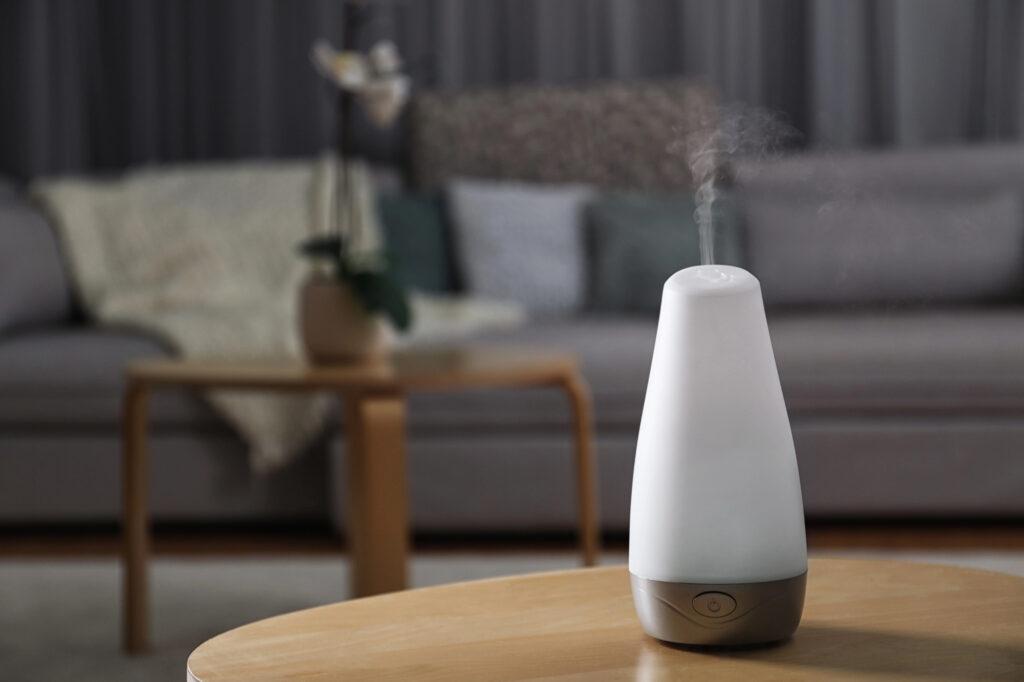
Air Fresheners
Air fresheners may make a home smell clean, but many sprays, plug-ins, and scented gels contain volatile organic compounds (VOCs) and synthetic fragrances. These chemicals can linger in the air and contribute to indoor air pollution over time.
Instead of masking odors, it’s often more effective to eliminate the source of the smell. Opening windows, improving airflow, using baking soda to absorb odors, or occasionally diffusing essential oils can provide a fresher alternative.
Laundry Detergent Pods
Laundry pods are convenient and easy to use, but they contain highly concentrated cleaning chemicals. If punctured or mishandled, the liquid inside can irritate skin, eyes, and airways.
Their bright colors can also make them look like candy to children, which has led to accidental poisonings. Keeping pods stored securely and out of reach is especially important in homes with kids.
Medications
Prescription and over-the-counter medications are among the most common sources of accidental poisoning in households. Even small doses of certain medicines can be harmful if taken incorrectly or by the wrong person.
Always store medications in childproof containers and keep them in secure locations. Expired or unused medications should be disposed of properly through pharmacy take-back programs whenever possible.
Cosmetics and Personal Care Products
Many everyday beauty and personal care products contain chemicals that people rarely think about. Items such as nail polish remover, perfume, hair spray, and certain lotions can contain ingredients like acetone, synthetic fragrances, or preservatives that release formaldehyde.
While these products are considered safe when used properly, constant exposure can add up. Choosing simpler formulations with fewer additives or fragrance-free options can help reduce unnecessary exposure.
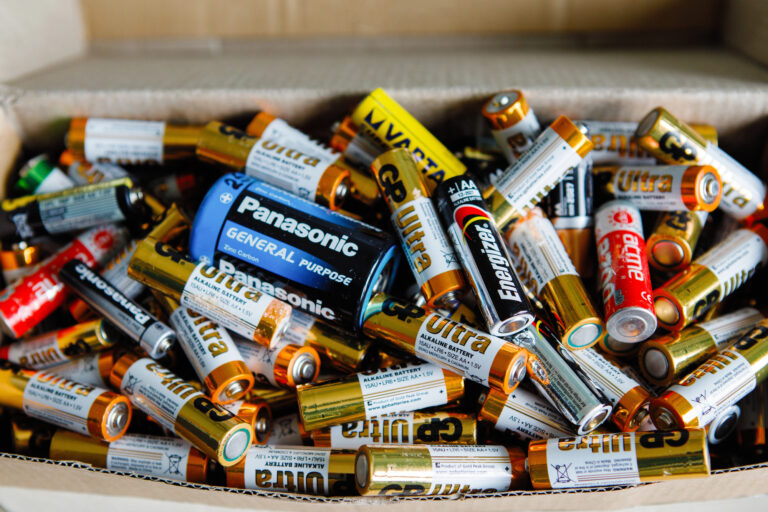
Batteries
Small batteries, especially button batteries, can be extremely dangerous if swallowed. These batteries can cause serious internal burns in a very short amount of time.
Even when they’re not ingested, damaged or leaking batteries can release corrosive chemicals. It’s best to keep spare batteries locked away and ensure battery compartments on electronics are tightly secured.
Pesticides and Insect Repellents
Products designed to kill pests are, by nature, toxic. Sprays, powders, and repellents can leave chemical residues in the home or yard, particularly if used frequently or in large amounts.
Whenever possible, try preventative methods first. Sealing cracks, eliminating standing water, and keeping food sealed can reduce pest problems without relying heavily on chemicals.
Paint and Paint Thinners
Older homes may still contain layers of lead-based paint, which can become hazardous if disturbed. Even modern paints and solvents can release strong fumes during use due to volatile organic compounds.
Choosing low-VOC or zero-VOC paints and ensuring proper ventilation while painting can help reduce exposure. Paint thinners and solvents should always be stored safely away from heat and children.
Certain Houseplants
Many popular houseplants are beautiful but can be toxic if eaten. Plants like philodendrons, peace lilies, and pothos contain compounds that can irritate the mouth or stomach if ingested.
For households with pets or young children, it’s worth researching plants before bringing them indoors and choosing non-toxic varieties when possible.
Hand Sanitizer
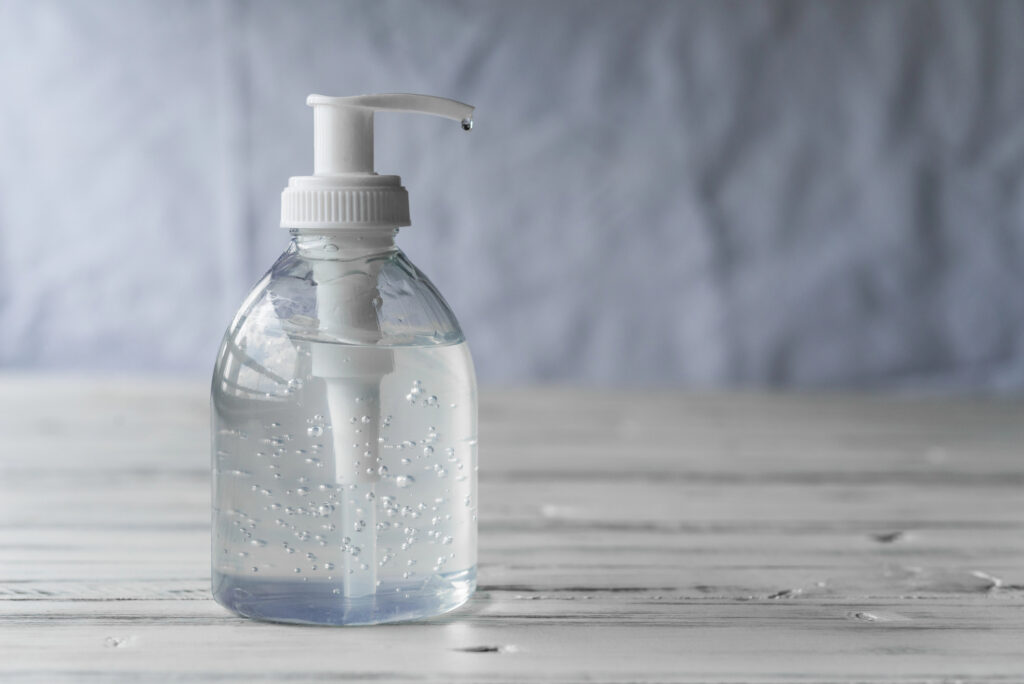
Alcohol-based hand sanitizers are effective for killing germs, but they can also be harmful if swallowed and may irritate or dry out skin with excessive use.
While they’re useful when soap and water aren’t available, regular handwashing remains the safest and most effective method for everyday hygiene.
Nonstick Cookware
Nonstick cookware is convenient, but older pans and heavily scratched surfaces can release fumes or small particles when overheated. Many traditional nonstick coatings contain chemicals known as PFAS, which have raised concerns in recent years.
Using moderate heat and replacing damaged pans can help reduce potential risks. Alternatives like stainless steel, cast iron, or ceramic-coated cookware are also popular options.
Black Nylon Kitchen Utensils
Many black plastic cooking utensils are made from recycled plastics that may contain trace amounts of flame retardants or heavy metals. When exposed to heat during cooking, these utensils may release small amounts of these substances.
Plastic utensils can also melt or break down over time, potentially introducing microplastics into food. Wooden, stainless steel, or silicone utensils are often safer long-term alternatives.
Vinyl Shower Curtains and Bath Mats
Vinyl shower curtains and non-slip bath mats often contain phthalates, chemicals used to make plastics flexible. These compounds can slowly release into the air over time.
Fabric shower curtains made from cotton, hemp, or linen can be a healthier alternative. Natural fiber bath mats are also available if you want to avoid vinyl products.
Plastic Water Bottles and Cups
Plastic bottles and cups are everywhere, but some plastics can release chemicals into beverages, especially when scratched or exposed to heat. Certain plastics have also been associated with BPA and similar compounds.
Glass or stainless steel containers are often a better choice for everyday drinking, especially for hot beverages or repeated use.
Plastic Takeout Containers
Those plastic containers from restaurants may seem convenient to reuse, but many are designed for single use. Heating food in them can cause chemicals or microplastics to leach into the food.
If you plan to keep them temporarily, hand-wash them gently and discard them once they show signs of wear, scratches, or cracks.
Single-Use Plastic Utensils
Plastic forks, knives, and spoons are meant to be disposable. Washing and reusing them can cause the plastic to degrade and release particles into food.
They also tend to trap food residue in tiny crevices, making them difficult to clean properly. Reusable metal utensils are a much safer and longer-lasting option.
Plastic Cutting Boards
Plastic cutting boards gradually wear down as knives scrape across the surface. Over time, tiny plastic particles can break off and end up in the food being prepared.
If your cutting board is heavily scratched or worn, it may be time to replace it. Wooden cutting boards are often preferred because they’re durable and less likely to shed microplastics.
Coffee Pods
Single-use coffee pods have become incredibly popular, but the plastic used in many pods can release chemicals when exposed to hot water.
Switching to reusable pods or using traditional coffee makers like French presses, pour-overs, or drip machines can reduce both waste and plastic exposure.