
A healthy lawn doesn’t usually decline overnight. Most of the time, it’s the result of small habits that slowly add up. Many people assume more water, more fertilizer, or more mowing will keep their lawn looking lush, but some of those common routines can actually make things worse.
If your grass isn’t as thick, green, or healthy as it once was, a few everyday lawn care habits could be working against you. Here are some common mistakes that may be preventing your lawn from thriving.

Overwatering the Lawn
It might seem like more water would lead to greener grass, but too much watering can actually weaken your lawn. Excess moisture encourages shallow root systems and creates conditions where disease can spread easily.
Lawns generally do better with deeper, less frequent watering rather than daily light watering. Paying attention to rainfall can also help prevent unnecessary watering.
Cutting Grass Too Short
Cutting the grass too low, often called scalping, can stress your lawn and make it more vulnerable to weeds and drought.
A good rule to follow is the one-third rule: never remove more than one-third of the grass blade in a single mowing session. Taller grass shades the soil and helps retain moisture.
Fertilizing Without Testing the Soil
Applying fertilizer without knowing what the soil actually needs can sometimes do more harm than good.
A simple soil test can reveal whether your lawn truly needs nutrients like nitrogen, phosphorus, or potassium. Once you know what’s lacking, it’s much easier to fertilize properly.
Spraying Without Identifying the Problem
Reaching for herbicides or pesticides without knowing what’s causing the issue can damage your lawn and harm beneficial insects.
Before applying any treatment, it helps to identify whether the problem is weeds, pests, disease, or simply poor soil conditions.
Walking on Wet Grass
Walking across wet grass may seem harmless, but it can compact the soil and damage delicate grass blades.
Compacted soil makes it harder for water, air, and nutrients to reach the roots. Waiting until the grass dries before mowing or walking across it can help prevent long-term damage.
Mowing the Same Direction Every Time
Using the same mowing pattern week after week can cause the grass to lean in one direction and lead to soil compaction along the mower path.
Changing directions occasionally helps the grass grow more upright and keeps the lawn looking more even.
Mowing When the Lawn Is Wet
Wet grass tends to clump and tear rather than cut cleanly. This can create an uneven lawn and increase the risk of spreading disease.
Allowing the grass to dry before mowing usually produces better results and a healthier lawn.
Using Dull Mower Blades
Dull mower blades rip and shred grass instead of cutting it cleanly.
These rough cuts leave the lawn more vulnerable to disease and stress. Sharpening mower blades at least once each season helps keep cuts clean and healthy.
Ignoring Thatch Buildup
Thatch is the layer of dead grass and organic matter that builds up between the soil and the living grass.
A small amount is normal, but too much thatch can block water, air, and nutrients from reaching the roots. Occasional dethatching can restore balance and improve lawn health.
Cutting Too Much at Once
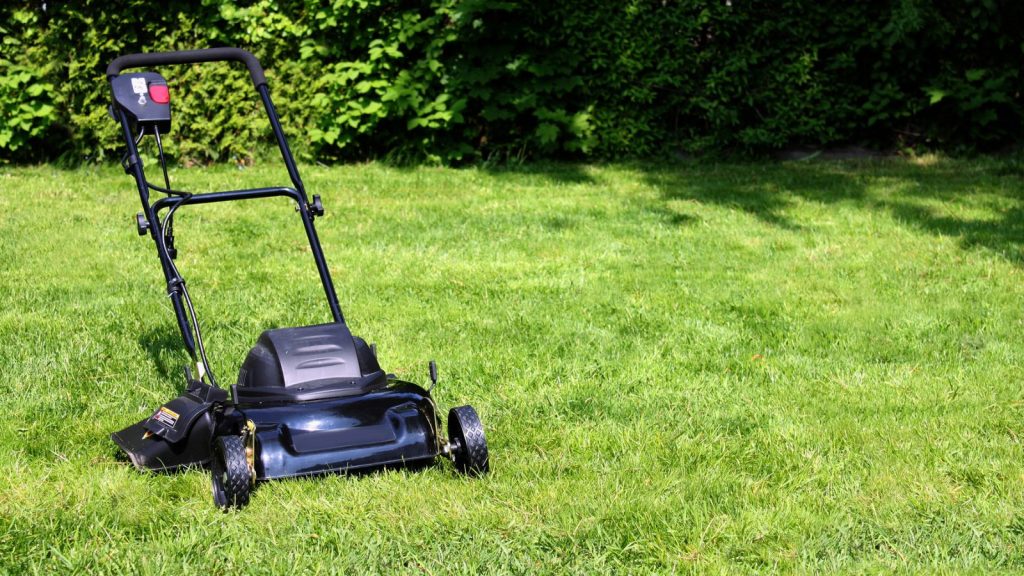
If the grass gets too long, cutting it all down at once can shock the lawn and weaken the roots. It’s better to mow gradually over several sessions, trimming it down slowly rather than all at once.
Watering During the Hottest Part of the Day
Watering in the middle of the day often leads to rapid evaporation.
Most of the moisture disappears before the roots can absorb it. Early morning watering is usually the most effective because it allows the lawn to soak up moisture before the heat arrives.
Related: Some of the Best Gardening Tips I Ever Got That Break All the Rules
Letting Clippings Pile Up
Grass clippings can be beneficial when they’re spread evenly across the lawn, but large clumps can smother the grass beneath them.
If clippings pile up thickly after mowing, it’s best to rake them out or collect them.
Fertilizing During Extreme Weather
Applying fertilizer during intense heat or cold can damage your lawn instead of helping it.
Grass absorbs nutrients best during moderate temperatures when it’s actively growing.
Planting Grass Seed Too Deep
Grass seed needs sunlight and good contact with soil to germinate.
If seeds are buried too deeply, they may never sprout. Lightly raking them into the soil surface is usually enough.
Overseeding Without Preparing the Soil
Simply scattering grass seed onto bare spots rarely works on its own.
Preparing the area by loosening the soil, removing debris, and adding compost can give new grass a much better chance of taking root.
Piling Mulch Against Tree Trunks
Mulch helps retain moisture around trees, but piling it too high against the trunk can cause rot and attract pests.
Keeping mulch a few inches away from the tree’s base allows the trunk to breathe and reduces the risk of damage.
Other Topics You Might Like
- If a neighbor’s tree falls on your home in California, who is responsible?
- Need to Block a Neighbor’s View of Your Yard? Here’s How to Do It Without Starting a War
- If a fence falls between neighbors in California, who is responsible for repairs?
- If You Spot These Vintage Garden Peices at a Garage Sale, Grab Them Fast