
The 1970s were a bold decade, with bright colors, patterned wallpaper, shag carpet underfoot, and cabinets stocked with cleaning products that today would make most of us pause. Back then, “powerful” was the goal. If it stripped grime, bleached stains, or left behind a sharp chemical scent, it was considered effective. Safety standards existed, of course, but they weren’t nearly as strict or well-researched as what we expect today.
Many of the household cleaners people relied on were packed with ingredients we now recognize as hazardous, corrosive, or even toxic. Labels were simpler, warnings were fewer, and the long-term health effects of certain chemicals weren’t widely discussed. The focus was on sparkle, shine, and speed, not ventilation, skin sensitivity, or environmental impact.
Looking back, it’s surprising how many once-trusted products would raise serious red flags today. Some feel less like something you’d keep under the kitchen sink and more like supplies from a high school chemistry lab.
What follows is a blast from the past, a look at vintage cleaning products that were once household staples but are probably better left as memories rather than making a comeback in modern homes.
Bleach and Vinegar Mixes
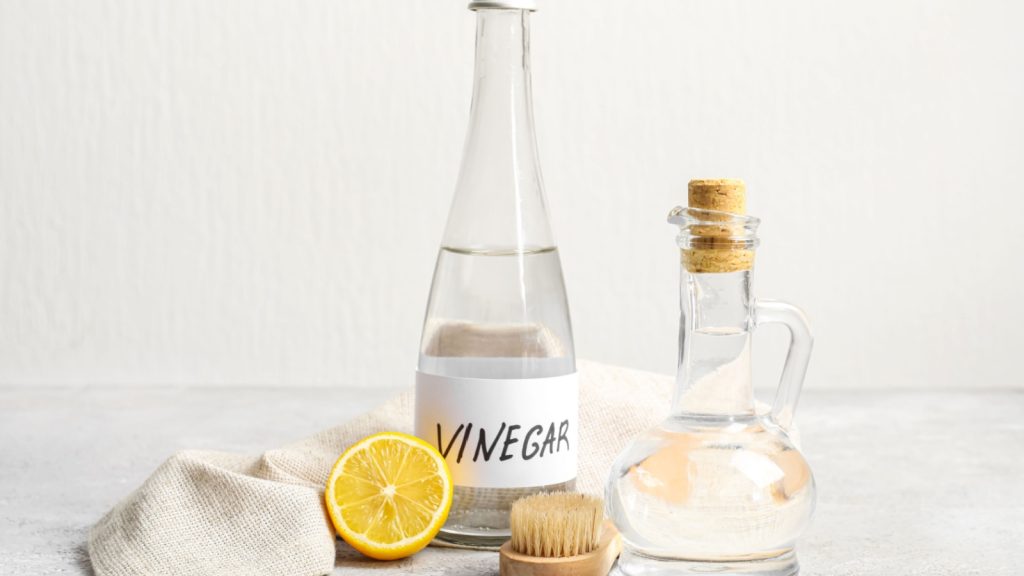
Once, people believed that you could make hard stains disappear by mixing bleach and vinegar. But when you combine these two, you get toxic chlorine gas. It can irritate the lungs, and prolonged exposure is lethal. It’s not a commercial product, but it’s a cleaning practice people did in the ’70s. Today, we know better than to be home chemists with such powerful chemicals.
Laundry Detergents Heavy in Phosphate
Laundry detergents had always included phosphates for cleaning power. But they helped cause algae blooms in waterways, killing aquatic life. Eventually, environmental concerns prevailed, and phosphates were phased out. But today’s eco-friendly detergents are much kinder to our lakes and rivers and our consciences.
Naphthalene Mothballs
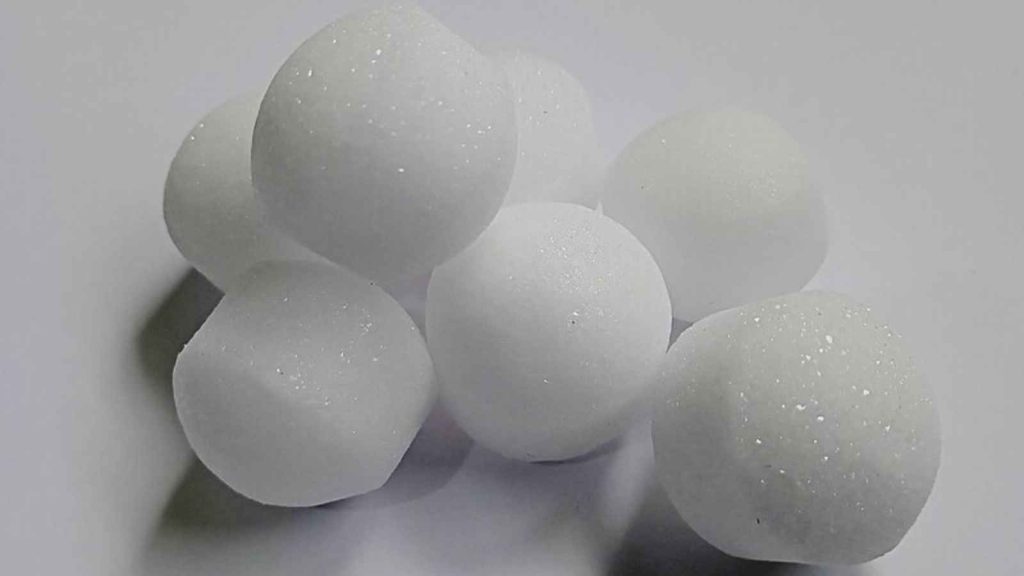
Clothes were protected from pests with mothballs containing naphthalene, but at the cost of very serious health risks. Regular inhalation of naphthalene can cause dizziness, nausea, and respiratory issues. Naphthalene is no longer considered safe for use in a home, and modern moth repellent is using safer alternatives.
Window Cleaners With Ethylene Glycol
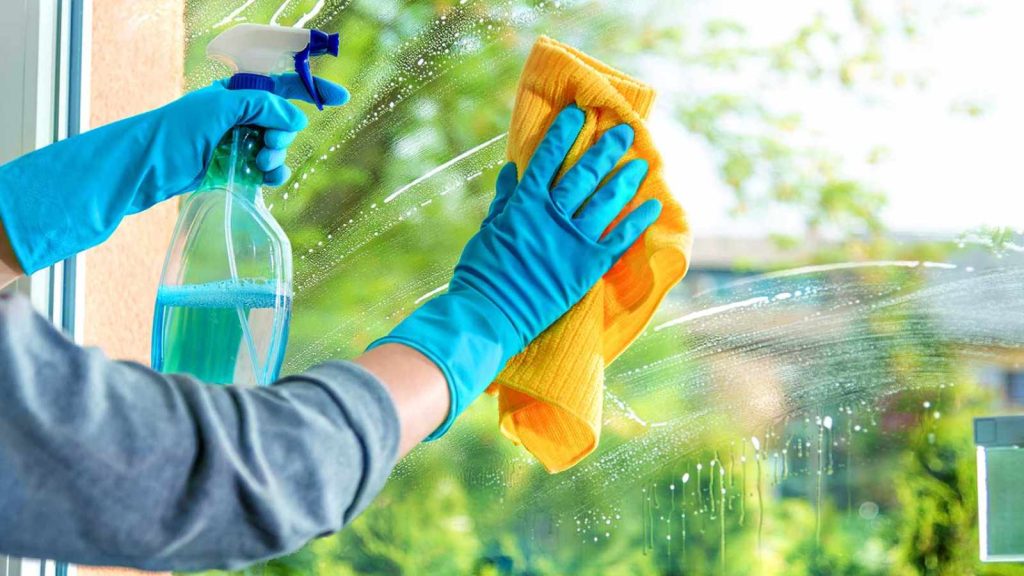
Window cleaners sometimes included ethylene glycol, the stuff that goes in antifreeze, for its streak-preventing properties. Ethylene glycol is toxic and lethal if ingested. Today, it’s banned from most household products, in part because it was a risk to children and pets who might unknowingly ingest it.
Lead-Based Polishes
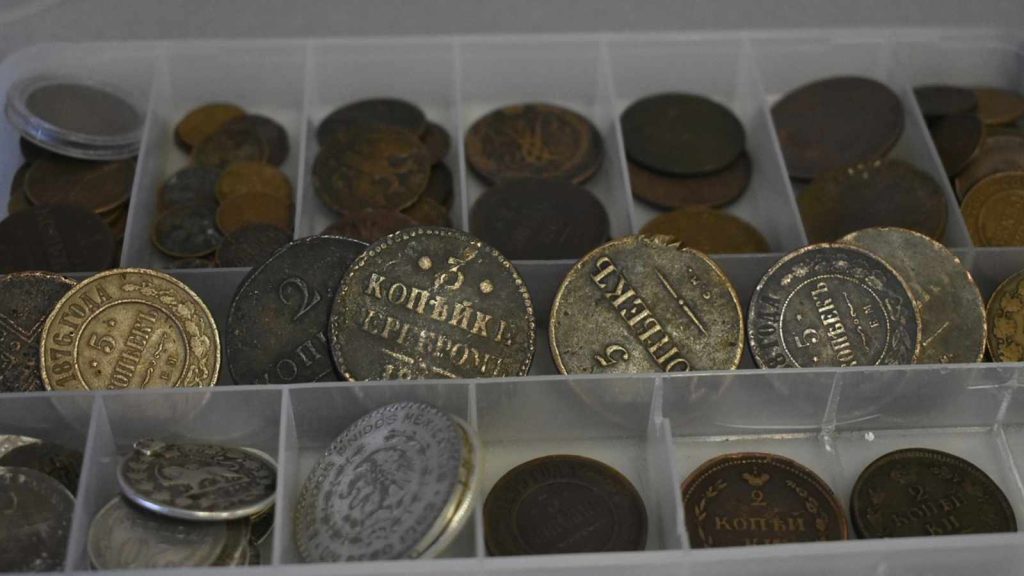
You wouldn’t believe it, but lead was once a common ingredient in polishing products. Lead-based polishes were popular because they made metals shine, but lead is a serious health hazard, especially for children.
According to the WHO, lead poisoning can be long-lasting and affect a person’s cognitive abilities as well as their physical development. And it’s no wonder that it is now banned in household products.
Toilet Bowl Cleaners With Chlorine
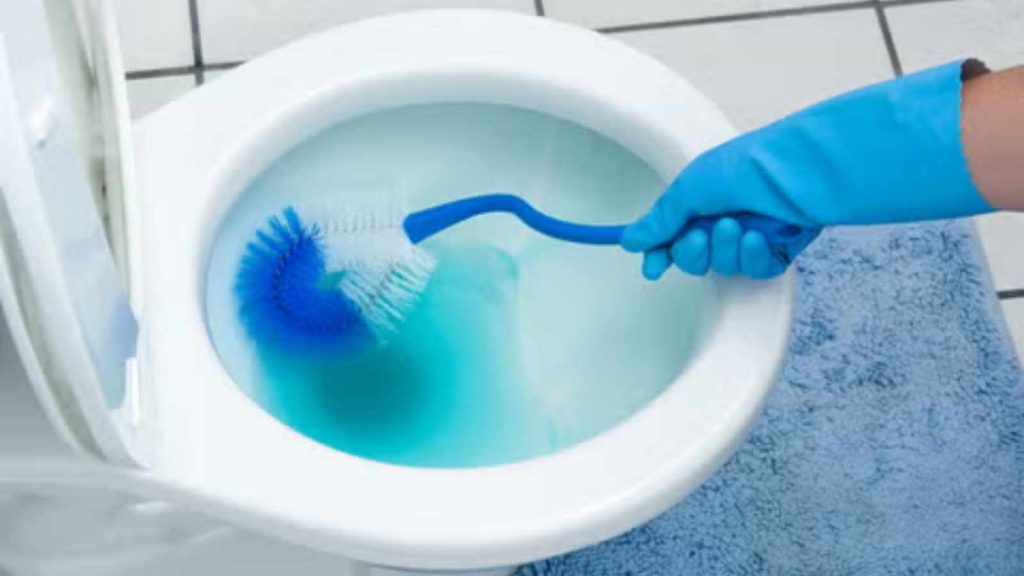
Chlorinated cleaners were once all the rage for a sparkling white toilet. The chlorine in them was high enough to work for whitening, but it also made strong fumes that could irritate the eyes and respiratory system.
In the ’70s, that was the norm: breathing in those fumes every time you cleaned the toilet. Today, the focus is on less aggressive formulas that are safer for the cleaner and the environment.
Ammonia-Based Glass Cleaners
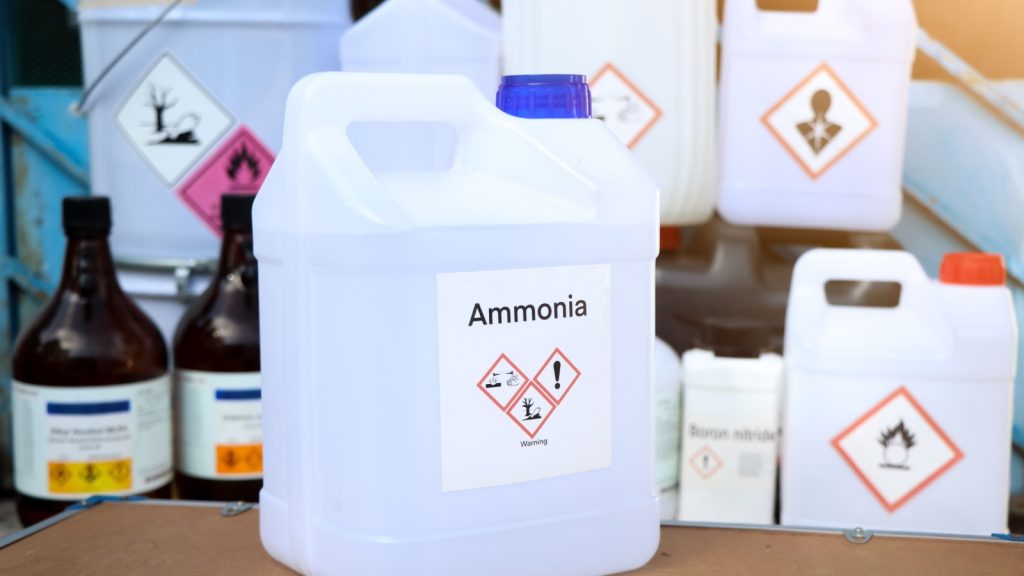
The sharp smell of ammonia! In the ’70s, glass cleaners featured ammonia because it could cut through grease and fingerprints. It also cut through your nasal passages and burned in your eyes.
According to the New York State Department of Health, breathing in ammonia fumes in confined spaces can cause headaches and worse. However, modern cleaners have since moved away from using such powerful ingredients because they are dangerous to small children or pets.
Carbon Tetrachloride Spot Removers
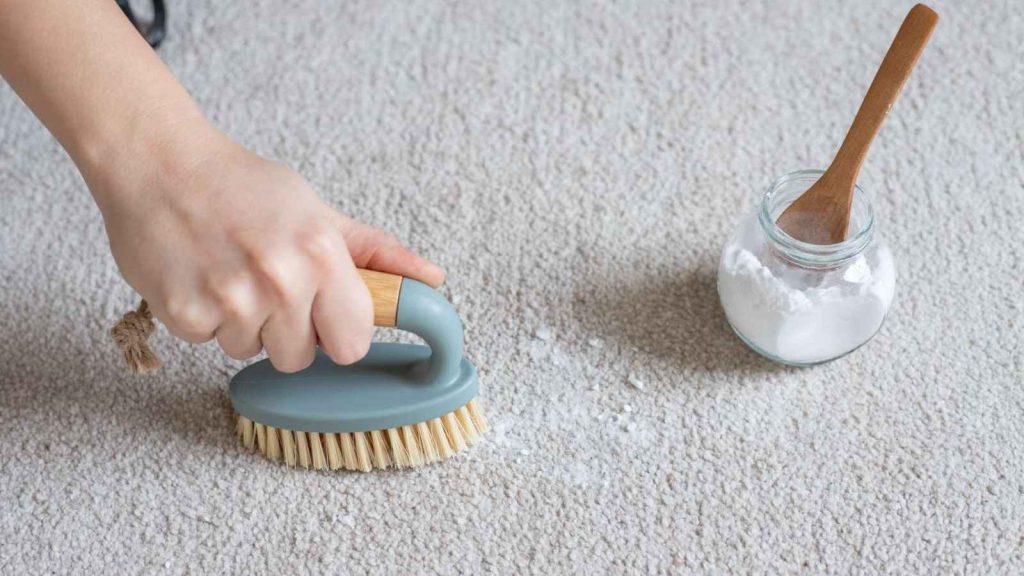
Back in the day, if there was a stain to get out, carbon tetrachloride was the magic ingredient in spot removers. Fast and effective, but very toxic. In fact, exposure to this substance can harm the liver, kidneys, and nervous system.
Carbon tetrachloride is downright dangerous by today’s standards, and it’s off limits to use at home. If you’re trying to clean your favorite shirt with something that’s essentially poison, then that is your go-to.
Furniture Polish Based on Formaldehyde

Formaldehyde was in furniture polish, yes, you read that right! According to the American Cancer Society, it is a carcinogen. But it was also the chemical that made surfaces shine like no other. Today, no one would use it for routine cleaning.
How to Make Beeswax Wood Furniture Polish
Hexachlorophene Antibacterial Soaps
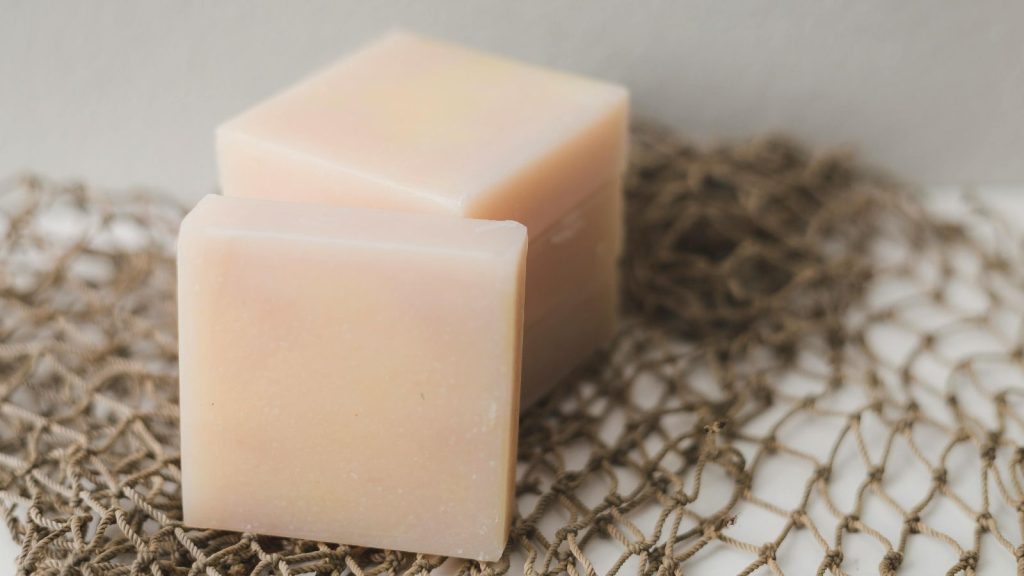
The antibacterial agent in soaps was hexachlorophene. It was found to be toxic when absorbed through the skin in high amounts, causing damage to the nervous system. Once studies found it to be potentially risky, hexachlorophene was phased out in favor of gentler antibacterial agents and became a thing of the past.
DDT Sprays

DDT was regarded as a wonder insecticide and used in households to kill pests. Its effects on human health and the environment were disastrous, but its humble origins are quite simple.
The long-lasting toxicity and the harm it causes to wildlife and humans alike have made DDT banned around the world. That’s a good reminder that “out of sight, out of mind” isn’t always a safe approach to household pests.
Lye-Based Oven Cleaners
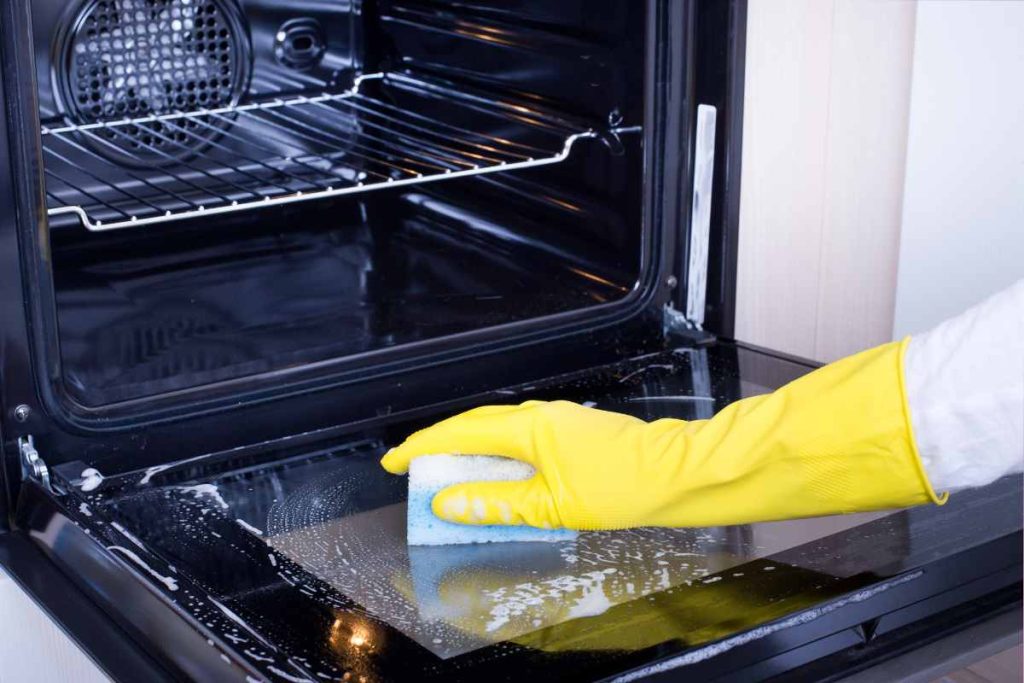
Grease-busting power was popular among oven cleaners with lye. Lye, however, is an extremely caustic chemical that will burn your skin if it comes in contact with it.
Cleaning the oven was like walking into a battle zone: people were wearing protective gear to prevent burns or respiratory problems. Oven cleaners these days are made to work without such harsh ingredients.
Ajax Scouring Powder
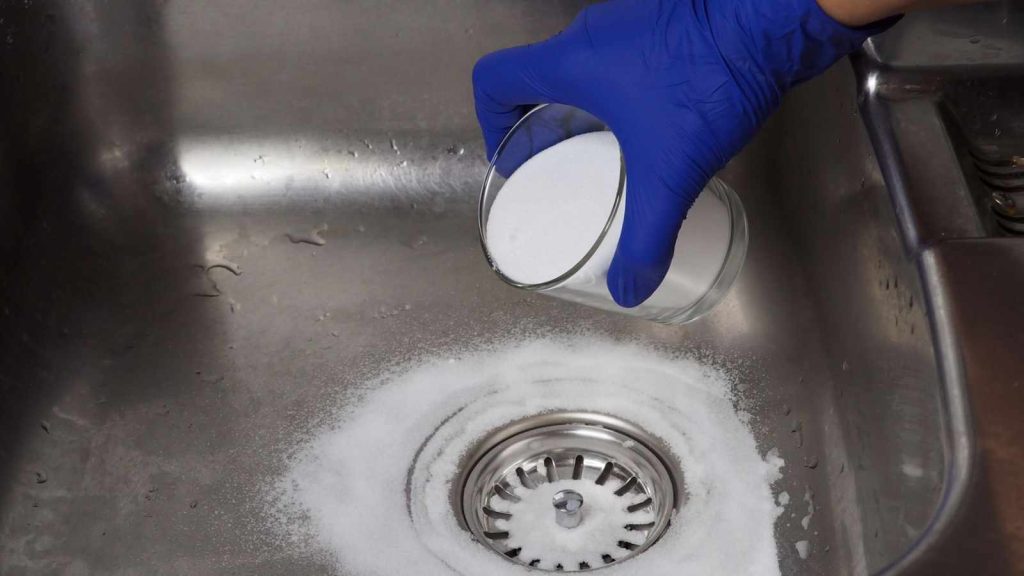
Ajax was one of those go-to products to get the sink sparkling, but at a hidden cost. It was a heavily loaded powder with abrasive chemicals that may have been great for cleaning grime, but it was rough on the hands, eyes, and even the lungs.
There wasn’t much thought about protective gloves, and a heavy scrub could leave you coughing in a dust cloud. Such potent abrasives and chemicals would today raise some serious red flags with health regulators.
Methylene Chloride Paint Strippers

Methylene chloride was the miracle worker of the ’70s when it came to paint removal. It wasn’t all smooth sailing, though. Inhaling it in a closed room could leave you feeling dizzy and nauseous.
Exposure over time can lead to more serious health risks, including problems with the central nervous system. This chemical is today strictly regulated, and many alternatives are available that pose less serious risks.
Phenol Disinfectants
In the ’70s, phenol-based disinfectants were common, and hospital-grade products were popular as a result. Phenol is toxic, and repeated exposure is harmful to the skin and causes respiratory problems. This ingredient has been avoided by modern disinfectants in favor of gentler, equally effective alternatives.
Other Posts You Might Like
- How to Clean a Couch with a Steam Cleaner
- This Is What People With Clean, Organized Homes Do Differently
- 12 Hidden Habits of People Who Always Have An Immaculately Clean and Organized Home
- 19 Airbnb Cleaning Hacks (Cleaning Secrets for Hosts)
- Grandma’s Best Kept Cleaning Tips That Put Today’s Cleaning Routines to Shame