Tiny plastic particles are showing up in places most people never expected, including the food we eat. Known as microplastics, these fragments measure less than five millimeters and form as larger plastic materials slowly break down in the environment. Over time, they make their way into soil, waterways, and even the air, which allows them to enter the food chain.
Researchers are still learning how widespread microplastics are and what long-term exposure may mean for human health. What’s becoming clear, however, is that small amounts can appear in everyday foods through packaging, processing, and environmental contamination.
While it’s nearly impossible to avoid them entirely, being aware of where microplastics may show up can help you make small choices that reduce exposure. Here are several foods people eat every day that studies have found may contain trace amounts of microplastics.
Tea Bags

Some tea bags are made from plastic-based fibers such as nylon or PET, and others are sealed using polypropylene. When steeped in hot water, these materials can release microscopic plastic particles.
Loose leaf tea avoids this issue altogether. Using a stainless steel or glass tea infuser is a simple way to enjoy tea without relying on disposable bags.
Sea Salt
Sea salt is produced by evaporating seawater, and unfortunately, oceans now contain large amounts of plastic debris. As that plastic breaks down into microscopic fragments, some of those particles can end up in harvested sea salt.
Salts mined from the earth, such as rock salt or Himalayan pink salt, are sometimes suggested as alternatives because they don’t come directly from ocean water.
Canned Foods
The food itself isn’t always the issue with canned products. Many cans are lined with plastic-based coatings that help prevent corrosion and keep food from reacting with the metal.
During storage or heating, tiny particles from the coatings or plastic lid seals can migrate into the food. Choosing fresh or frozen foods when possible can help limit this particular source of exposure.
Beer
Beer has also been found to contain small amounts of microplastics. The particles can come from several sources, including water used during brewing, plastic tubing in processing equipment, or packaging materials.
Because plastic pollution is widespread, these tiny particles can show up in many processed beverages. Choosing drinks packaged in glass or produced with minimal processing may slightly reduce the chance of contamination.
Bottled Water
One of the most studied sources of microplastics in food and drink is bottled water. As plastic bottles age or are exposed to heat and pressure, microscopic particles can shed into the water.
Many people reduce exposure by using filtered tap water and reusable glass or stainless steel bottles instead.
Fish and Shellfish
Seafood is often mentioned in discussions about microplastics because marine animals are exposed to plastic pollution in their environment. Fish and shellfish can accidentally consume plastic particles that resemble plankton or other food sources.
Filter-feeding species such as mussels, oysters, and shrimp may be particularly vulnerable because they process large volumes of seawater. Diversifying protein sources with plant-based foods such as beans, lentils, nuts, and seeds is one way some people reduce their reliance on seafood.
Sugar
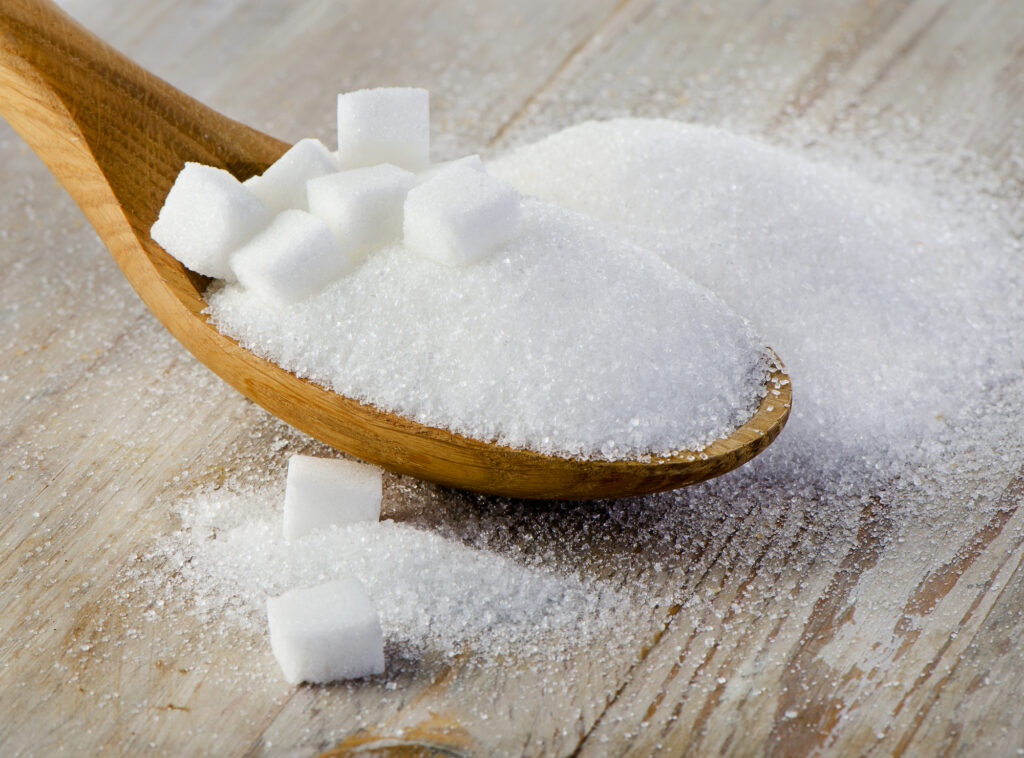
Microplastics have occasionally been detected in sugar samples, often due to contamination during packaging or processing. Plastic packaging materials and storage containers can shed tiny particles that mix with food products.
Choosing products with minimal packaging or buying in bulk from stores that use paper or glass containers may help lower this risk.
Chicken
Microplastics have also been detected in some farm animals. Chickens may ingest small plastic particles through contaminated feed or by pecking at soil that contains plastic debris.
Rice
Rice can pick up microplastics during production, packaging, or transport. Contamination may come from plastic storage bags or from water used during processing.
However, rinsing rice before cooking may remove some surface particles, making it a simple step that could slightly reduce exposure.
Soft Drinks
Soft drinks packaged in plastic bottles may contain small amounts of microplastics due to container breakdown or contamination during bottling.
For people trying to limit plastic exposure, home-prepared beverages, such as infused water, fresh juices, or homemade iced tea, offer a simple alternative.
Milk
Milk and dairy products can come into contact with plastics during processing and packaging. Plastic bottles, lids, and tubing used in production facilities can all contribute to trace contamination.
Some consumers choose milk packaged in glass bottles or purchase dairy directly from local farms that use minimal plastic packaging.
Fruits and Vegetables
Plants can absorb microplastics from contaminated soil and irrigation water. Plastic mulch, fertilizers, and environmental pollution all contribute to the presence of plastic particles in agricultural soil. Washing produce thoroughly and buying from farms that use fewer plastic inputs may help reduce exposure.
Bread
Bread can become contaminated with microplastics through flour, packaging, or airborne plastic dust during food production. Packaging materials are one of the most common sources.
Baking bread at home or choosing bread packaged in paper rather than plastic may slightly reduce the likelihood of contamination.
Ready Meals
Prepackaged and ready-to-heat meals often rely heavily on plastic trays, lids, and wrapping. During storage or heating, especially in microwaves, tiny plastic particles may transfer into the food.
Preparing meals at home with fresh ingredients and minimal plastic packaging is one of the easiest ways to cut back on this source.