If you’ve ever cleaned out an attic or sorted through old boxes at a relative’s home, you’ve probably come across things that felt more like clutter than treasure. For years, many of these items were ignored, donated, or tossed without a second thought.
But things have changed. Collectors are now actively searching for pieces that were once overlooked, and in many cases, the older and more ordinary something seemed, the more interesting it has become.
It’s worth knowing what actually qualifies as an antique. By definition, an item must be at least 100 years old to be considered a true antique. Anything newer typically falls into the “vintage” category, even if it’s still collectible.
If you’re unsure what you’re looking at, having a simple antique reference guide or even a small magnifying tool on hand can make it much easier to spot details like maker’s marks, dates, and materials.
With that in mind, here are antiques that were once easy to overlook but are now in serious demand.
Antique Coins and Early Currency
Old coins and paper money have long been collectible, but interest has surged in recent years. Pieces from the 1800s or earlier, especially rare mintings or misprints, can be worth far more than their original value.
Collectors look closely at condition, rarity, and historical significance, so even a small find can turn out to be valuable. If you’re sorting through old coins, using protective coin holders or a basic coin collecting album can help preserve anything valuable while you research it.
Early Typewriters from the 1800s
While typewriters were once everyday office tools, the earliest models are now highly collectible. Machines produced in the late 19th and early 20th centuries are now considered true antiques.
Working condition helps, but even decorative pieces with original keys and hardware can attract buyers.
Antique Books and First Editions
Books printed in the 1800s or earlier, especially first editions, are increasingly sought after.
Original bindings, intact pages, and even handwritten notes can add to their appeal. Collectors are especially interested in historically significant titles or early printings of classic works.
Related: Books You Should Never Leave Behind at the Thrift Store
Sterling Silverware and Serving Pieces
Complete silverware sets, tea services, and serving trays made before the 1920s are gaining renewed attention.
Pieces stamped with sterling marks or tied to well-known makers tend to be especially valuable. Even mismatched sets can be worth something based on weight and craftsmanship alone.
Early 20th Century Furniture
Furniture from the late 1800s to early 1900s is being rediscovered for its durability and design. Solid wood construction, hand-carved details, and quality joinery make these pieces stand out compared to modern furniture.
Styles like Victorian, Edwardian, and early Arts and Crafts are particularly desirable right now.
Even light cleaning with the right wood-safe furniture cleaner can help preserve the finish and bring out the original character without over-restoring.
Antique Clocks
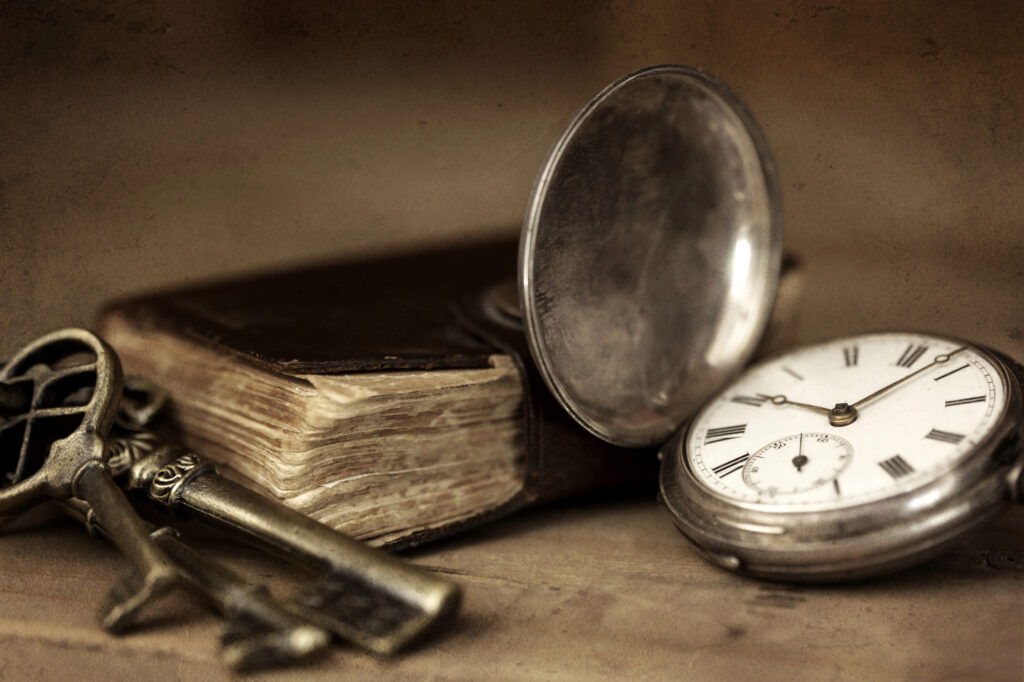
Mechanical clocks, especially mantel, wall, and grandfather clocks from the 19th and early 20th centuries, are seeing renewed interest.
Even if they no longer work perfectly, their craftsmanship and design make them appealing to collectors and decorators alike.
Hand-Blown Glass and Early Ceramics
Glassware and pottery made before mass production became standard are now highly collectible.
Hand-blown glass, early stoneware, and signed pottery pieces often have subtle imperfections that actually increase their value and authenticity.
Antique Quilts and Textiles
Handmade quilts from the 1800s and early 1900s were once stored away or passed down without much thought. Now, they’re appreciated for their craftsmanship, patterns, and history.
Natural dyes, hand stitching, and unique designs can all increase collector interest.
Oil Lamps and Early Lighting
Before electricity became widespread, oil lamps were a household staple. Today, antique oil lamps, especially those with decorative glass or metalwork, are highly collectible.
Complete pieces with original chimneys and bases tend to be the most desirable.
Related: From Oil Lamps to Porcelain Pigs, These Are the Strangest Things People Collect
Vintage Tools from the Pre-1920 Era
Old hand tools may not look like much at first glance, but tools made before mass production are now appreciated for their quality and durability.
Blacksmith-made tools, early woodworking equipment, and hand-forged pieces are especially sought after.
Antique Picture Frames and Mirrors
Ornate frames and mirrors from the 19th century are often more valuable than the artwork they hold.
Hand-carved wood, gilded finishes, and unique detailing make these pieces stand out in modern homes. A soft dusting cloth is usually all that’s needed to keep them looking their best.
Early Sewing Machines
Sewing machines from the late 1800s and early 1900s, especially those with cast iron bases and decorative details, are becoming popular again.
These pieces often double as both functional antiques and statement decor. If you come across one, a basic sewing machine maintenance kit can help preserve its moving parts and prevent further wear.
Related: Stitch by Stitch, Sewing Is Reemerging as a Skill Worth Learning Again