I understand the appeal of buying plants from Lowe’s garden center. You’re already there for something else, the prices look reasonable, and the plants often seem perfectly fine at first glance. For many people, it feels like an easy way to fill the garden cart without making a separate trip.
But after years of gardening, I’ve learned that convenience doesn’t always lead to the best results. I’ve brought home enough big-box plants that struggled, declined, or came with hidden problems to know it’s often not worth the risk. And once you’ve dealt with pests, transplant shock, or plants that never really thrive, that lower price doesn’t feel like much of a bargain anymore.
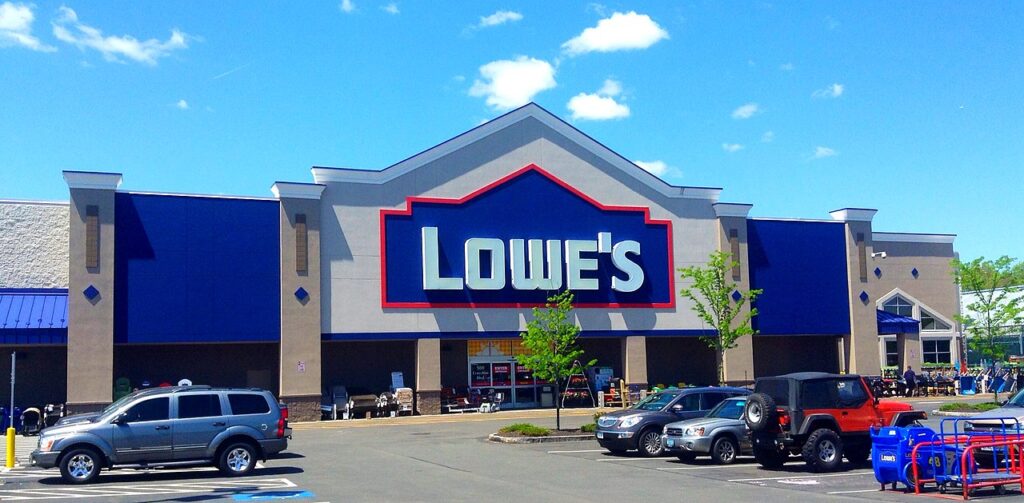
That’s why I don’t buy plants from Lowe’s garden center anymore. While not every single plant there is guaranteed to fail, there are enough common issues that I’d rather spend my money at a local nursery, where the plants are usually healthier, the selection is more thoughtful, and the advice is far more reliable.
The Selection Is Built for Fast Sales, Not Long-Term Success
Big-box garden centers tend to stock plants that sell quickly and appeal to the widest range of shoppers. That usually means common varieties, trendy seasonal picks, and whatever looks good on a cart, not necessarily what performs best in your local growing conditions. If you are trying to build a garden that lasts, such a selection can be limiting.
Local nurseries tend to be more intentional with what they carry. They are often better at choosing plants that actually suit the region and season, and that are within the average home gardener’s success range. That makes a big difference when you want something to grow well, not just look good for a week.
The Plants Are Not Always Kept in the Right Conditions
One of the biggest problems with big-box plants is how often they are displayed in conditions that do not match their needs. Shade plants may sit in direct sun; sun-loving plants may be stuck in dull light; and thirsty plants may dry out while others sit in soggy soil. Even when a plant still looks decent, stress can already be setting in.
That matters because you may bring it home thinking it is healthy, only to watch it struggle almost immediately. When that happens, it is easy to assume you did something wrong, when in reality the plant may have already been compromised before you bought it.
Related: Houseplant Hacks That Actually Work, Even If You’ve “Killed Every Plant Before This”
Pests Are Too Common a Risk
It only takes one infested plant to introduce spider mites, mealybugs, thrips, fungus gnats, or other pests to the rest of your plants at home. Once that happens, what looked like a cheap purchase can turn into a frustrating and expensive mess.
Big-box stores tend to have plants packed tightly together, handled constantly, and shipped in from large growers, which makes it easier for problems to spread. Even if you inspect a plant carefully, pests and eggs can be easy to miss.
The Labels Are Often Too Generic or Just Wrong
Plant tags should help you make a good decision, but that is not always what happens at big-box stores. Sometimes the label is missing, sometimes it is vague, and sometimes the care information is so general that it is barely useful. For beginners, especially, that can create problems right away.
It is frustrating to buy a plant, follow the tag, and still watch it decline. In some cases, the problem is not your care at all; it is the lack of accurate information from the start. That is one area where nurseries tend to do a much better job.
The Soil and Potting Mix Are Often Poor Quality
A lot of big-box plants are potted in mixes designed more for shipping and shelf life than for healthy long-term growth. The soil may be compacted, overly wet, or heavy in peat, which can cause drainage and root problems. Sometimes the plant looks fine above the soil, while the roots underneath are already struggling.
That is why so many people feel like they need to repot these plants as soon as they get home. Repotting can help, but it also adds more work, more expense, and more stress for the plant.
Reliable Plant Advice Is Hard to Find
Most employees at a big-box store are not there because they specialize in gardening. Some may be helpful, but many simply lack the plant knowledge needed to answer detailed questions. If you are trying to figure out the best plant for your light, soil, or climate, that lack of guidance can leave you guessing.
The Lower Price Is Not Always the Better Deal
At first glance, the lower prices may seem like the main reason to shop there. But when you factor in replacement plants, pest treatment, repotting supplies, or the disappointment of something that never thrives, the savings can disappear quickly. Cheap is not always cheap in the long run.
Why I Choose Nurseries Instead
These days, I would rather buy fewer plants and get them from a place that gives them a better start. Local nurseries usually offer healthier plants, more accurate labels, and staff who can actually help you choose the right variety for your space. The whole experience feels less like taking a chance and more like making a smart investment in the garden.
That is why I will not buy plants from Lowe’s garden center anymore. After too many disappointing purchases, I would rather skip the risk altogether. And if you want healthier plants, better advice, and a better chance of success, you probably should too.