Back in the ’70s, watching TV wasn’t just something you did in the background; it was an event. Families planned around their favorite shows, and the setup around the TV mattered just as much as what was on the screen.
What’s easy to forget now is how many extra gadgets and add-ons were part of that experience. Some were practical, some were a little quirky, and others feel almost unbelievable by today’s standards. Looking back, a lot of these accessories didn’t just fade away; they became completely obsolete.
Here are some of those old TV accessories that were once common but are rarely seen today.
Channel Dials
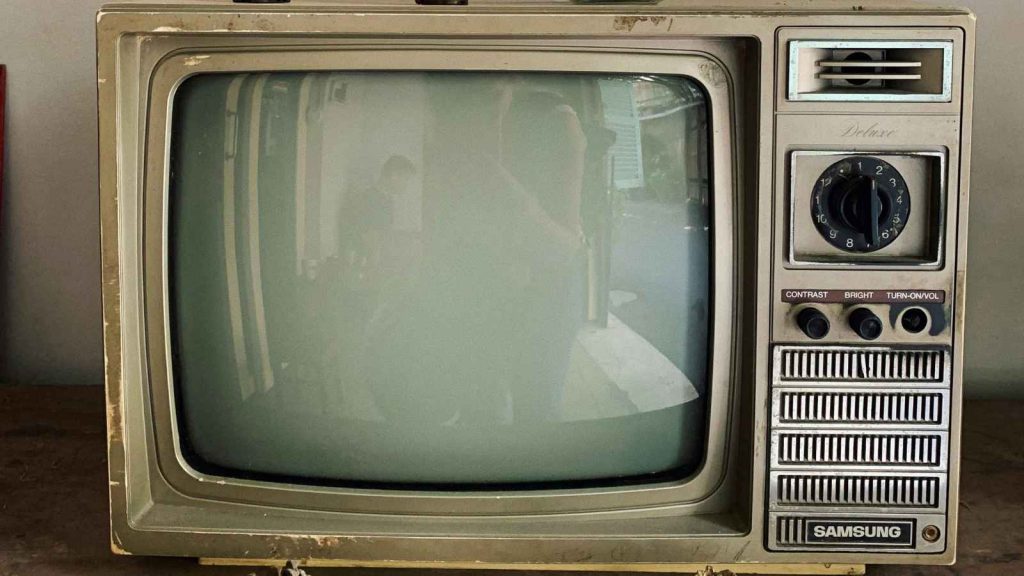
Instead of scrolling or clicking through channels, you had to physically turn a dial. Each click moved you to the next station, and finding the right one took a bit of patience.
It was simple, but far less convenient than what we’re used to now.
Channel Lock Boxes
Before digital parental controls existed, parents had to get creative. Channel lock boxes were simple devices that physically blocked access to certain channels, giving parents a basic way to manage what kids could watch.
They weren’t exactly foolproof, but at the time, they felt like a clever solution in a world where TV content was becoming more varied.
Remote Control Clickers
Early remotes didn’t look anything like what we use today. These “clickers” used sound signals instead of infrared, meaning the TV responded to specific high-pitched noises.
The downside was that other sounds, like keys jingling, could accidentally change the channel, making them a bit unpredictable, but still a big step forward in convenience.
Rabbit Ear Antennas
If you had a TV in the ’70s, you probably remember adjusting those metal rods on top of the set. Getting a clear picture often meant standing there, slowly moving the antennas while someone else yelled directions from across the room.
It was a constant balancing act, sometimes involving aluminum foil, just to reduce static and improve reception.
Magnavox Odyssey Game System
One of the earliest home gaming systems, the Magnavox Odyssey blurred the line between TV and entertainment device. It used simple visuals, mostly dots and lines, and even included plastic screen overlays to simulate different games.
It may look primitive now, but it introduced the idea that your TV could be interactive.
Static Dischargers
Old tube TVs tended to build up static, which attracted dust and sometimes caused small shocks. Static dischargers were designed to reduce that buildup and make the screen a bit more manageable.
It wasn’t a perfect fix, but it was a common add-on for anyone tired of that crackling feeling.
TV Trays
TV trays were a staple in many homes, turning dinner time into a front-row viewing experience. These foldable tables made it easy to eat while watching your favorite show without needing a full dining setup.
They were simple, practical, and a big part of the “TV night” routine.
Color Bars and Test Patterns
Before 24-hour broadcasting, TV stations would sign off for the night. What you’d see instead was a test pattern, color bars, and a steady tone used to calibrate the screen.
It feels strange today, but it was a normal part of the viewing experience back then.
Rotary Antenna Controllers
For homes with rooftop antennas, getting a clear signal often required more than just adjusting rabbit ears. A rotary antenna controller lets you physically rotate the outdoor antenna from inside the house.
Finding the right position was trial and error, but when you got it just right, the picture would finally clear up.
Built-In 8-Track Players
Some TVs doubled as entertainment centers by including built-in 8-track players. It allowed you to switch from watching a show to listening to music without leaving your seat.
It was bulky and a bit clunky, but it was an early version of the all-in-one systems we’re used to today.
Wooden TV Cabinets
In the ’70s, TVs were designed to look like furniture. Large wooden cabinets with doors and detailed finishes made them a centerpiece in the living room.
They were heavy and hard to move, but they blended in with the rest of the home in a way modern flat screens don’t.
Zenith Space Command Remotes
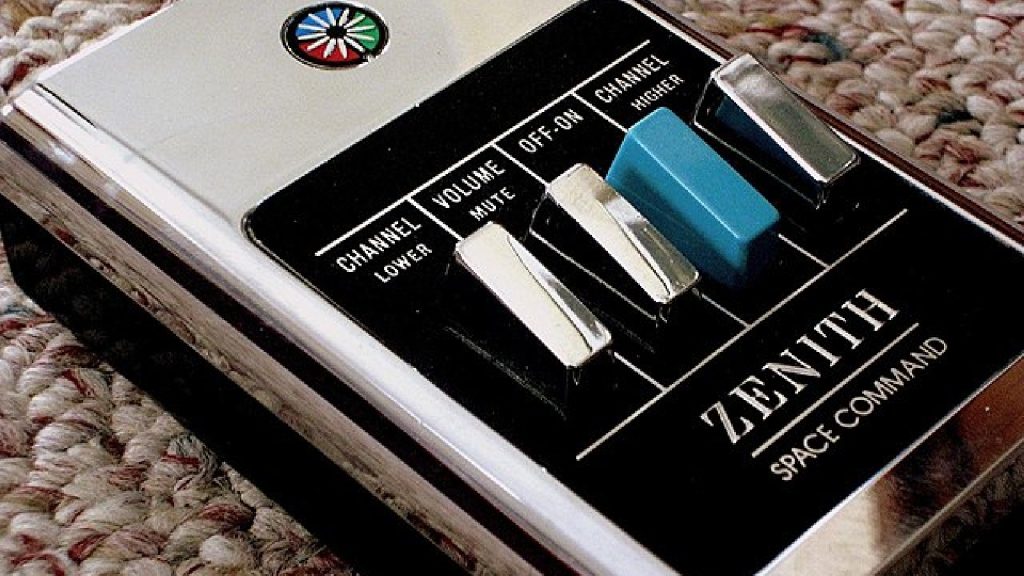
These early wireless remotes were surprisingly advanced for their time. Instead of buttons, they often used mechanical controls and ultrasonic signals to operate the TV.
They were durable and effective, but compared to today’s sleek remotes, they feel almost oversized and outdated.
Video Game Console Adapters
Connecting early video game systems wasn’t as easy as plugging in a cable. Special adapters had to be attached to the back of the TV, often requiring multiple steps just to get a game running.
It made gaming feel more like a setup project than a quick activity, especially compared to today’s plug-and-play systems.