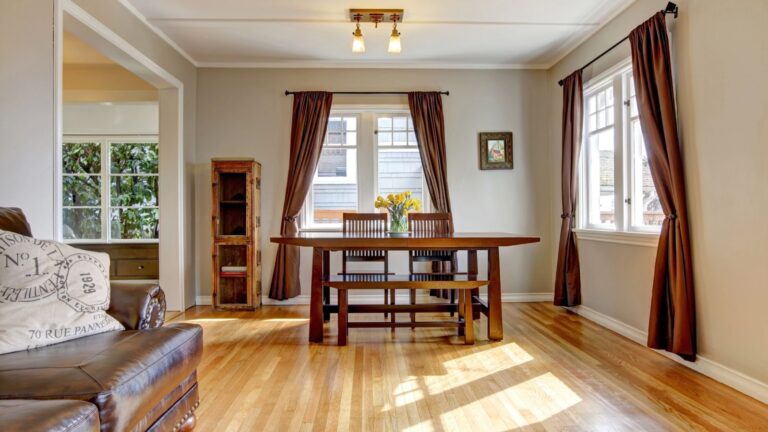
Natural light can completely change how a room feels. A dark space often feels smaller and heavier, while a well-lit room feels open, calm, and inviting. Bringing more sunlight into your home isn’t just about appearance. It can improve mood, increase energy, and make everyday living more comfortable.
Small design changes can make a noticeable difference. Here are 15 easy design tricks to bring more natural light into dark rooms.
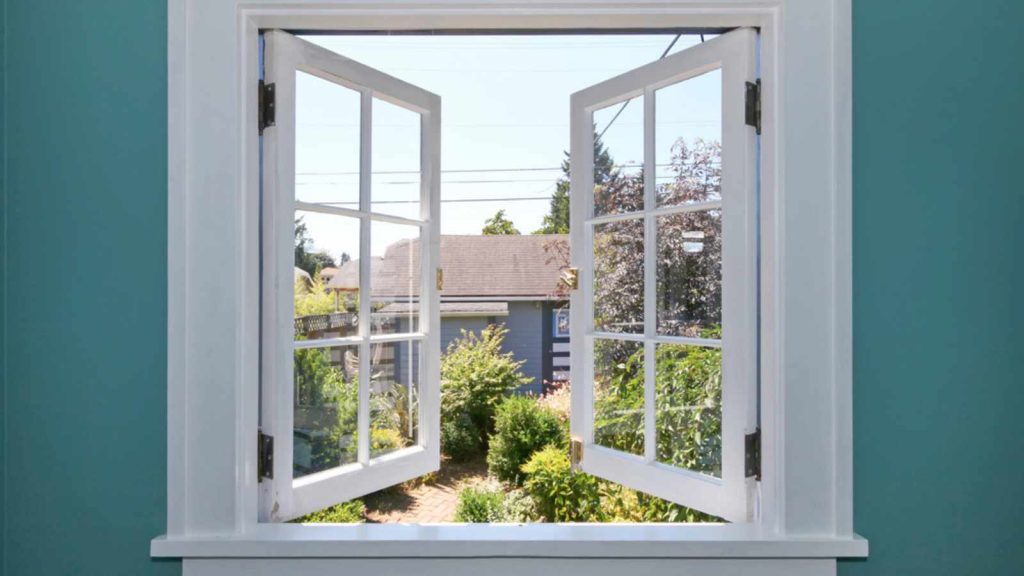
Use Mirrors to Reflect Sunlight
Mirrors are one of the simplest ways to multiply natural light. Placing a mirror across from or adjacent to a window helps bounce sunlight deeper into the room.
Even a large mirror leaning against a wall can make the space feel brighter. It’s an affordable upgrade with immediate impact.
Choose Light Paint Colors
Wall color plays a major role in how light moves through a room. Soft whites, warm neutrals, and pale pastels reflect light rather than absorb it. Dark paint can make a room feel smaller and dimmer. A lighter palette instantly gives the illusion of more openness.
Swap Heavy Curtains for Sheer Panels
Thick drapes can block valuable daylight, especially in smaller rooms. Sheer curtains allow light to filter through while still providing privacy. They soften sunlight rather than stop it completely. This simple switch can brighten a room without sacrificing comfort.
Trim Outdoor Landscaping
Overgrown trees, hedges, or bushes can block a surprising amount of sunlight. Trimming vegetation around windows allows more natural light to enter. It also improves curb appeal and keeps windows unobstructed. Sometimes the fix starts outside.
Install Skylights in Dark Areas
Rooms without traditional windows, such as bathrooms or attic spaces, benefit greatly from skylights. They bring light directly from above without sacrificing wall space. Even a single skylight can dramatically brighten an otherwise dim room. It’s a bigger upgrade, but highly effective.
Opt for Light-Colored Flooring
Flooring affects how light spreads throughout a space. Light wood tones, pale tile, or neutral carpets reflect light upward. Dark flooring can absorb brightness and make a room feel heavier. If replacing floors isn’t realistic, adding a light area rug can help.
Consider Opening Up Interior Spaces
Removing non-load-bearing walls can allow light from one room to flow into another. Even widening a doorway can improve light distribution. An open layout helps sunlight travel farther into the home. This creates a brighter and more connected feel.
Keep Windows Clean and Clear
Dust, grime, and smudges reduce the amount of sunlight that enters a room. Regularly cleaning your windows allows maximum light to pass through. Removing clutter from windowsills also prevents shadows. This is one of the easiest maintenance tasks with noticeable results.
Install French Doors or Glass Doors
If your space connects to a backyard or patio, glass-paneled doors can bring in more daylight. French doors allow sunlight to stream inside while visually expanding the space. They also create a stronger connection between indoors and outdoors. More glass typically means more light.
Choose Light-Colored Furniture
Large pieces of dark furniture can make a room feel closed in. Sofas, chairs, and shelving in lighter tones help reflect natural light. Even neutral slipcovers can change the overall brightness of a space. Small adjustments to the furnishings can help balance a darker room.
Add Light Tubes or Sun Tunnels
Light tubes, also called solar tubes, channel sunlight from the roof into rooms below. They work well in hallways, closets, or windowless bathrooms. These systems bring in natural light without requiring a full skylight installation. They’re energy-efficient and surprisingly effective.
Be Strategic With Plant Placement
Plants near windows add life and color, but oversized plants can block light if placed incorrectly. Position greenery where it won’t obstruct the main light source. Hanging plants or lower-profile varieties are good alternatives. This keeps rooms feeling fresh without sacrificing brightness.
The Cutest Heart-Shaped Houseplants That Look Like Living Hearts
Embrace an Open Floor Plan
If possible, reducing unnecessary barriers between rooms improves overall light flow. Open spaces allow natural light to reach deeper into the home. Even rearranging furniture to eliminate visual blockages can help. A more open layout naturally feels lighter and airier.
Use Reflective Surfaces and Finishes
Glossy finishes, glass tables, and metallic accents can reflect natural light around the room.
Keep Windows Uncovered During the Day
Sometimes the simplest solution is the most effective. Keeping blinds and curtains fully open during daylight hours lets in as much light as possible. If privacy is a concern, consider top-down shades that allow light in from above. Letting sunlight in freely is the easiest way to transform a dark room.