
Sleep should feel simple, but for many of us, it isn’t. You can go to bed tired and still find yourself staring at the ceiling, waking up throughout the night, or dragging through the next day.
Often, the problem isn’t sleep itself, it’s what happens in the hours leading up to it. The small habits we repeat every evening quietly shape how well we rest. And while they might seem harmless, they can add up over time and leave your body feeling out of sync.
If you’ve been wanting deeper, more refreshing sleep, it may be time to take a closer look at your routine. Here are some common habits worth rethinking.
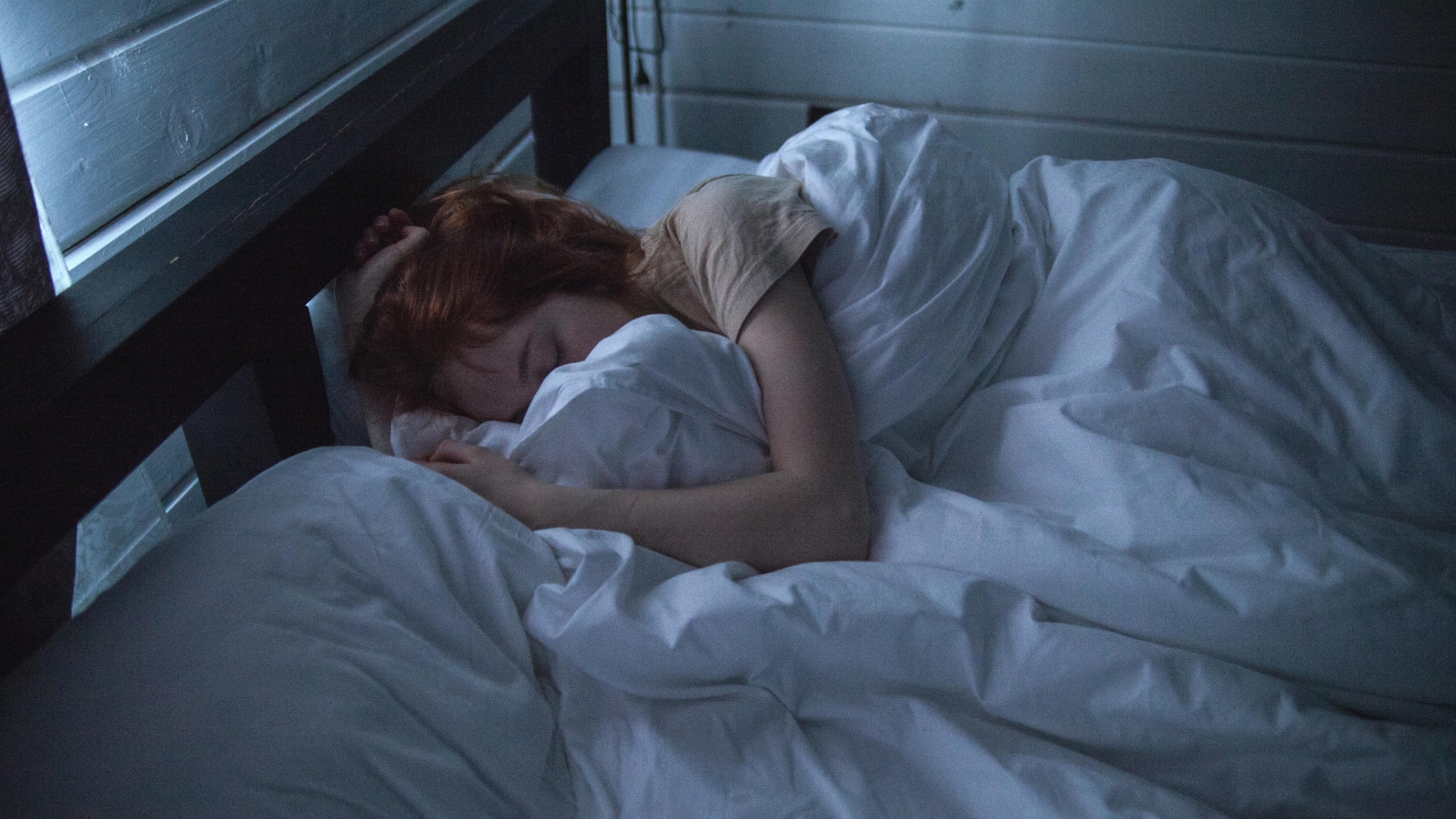
Late Night Screen Time
Scrolling your phone or watching a show might feel like a way to unwind, but it can actually keep your brain alert longer than you realize. Screens give off blue light, which interferes with melatonin, the hormone that helps your body prepare for sleep.
Instead of easing you into rest, it signals your brain to stay awake. Over time, this can make falling asleep feel harder than it should.
Related: Put the Phone Down: 16 “Analog Hobbies” to Replace Mindless Screen Time
Caffeine Too Late in the Day
That afternoon coffee or evening tea might seem harmless, but caffeine can linger in your system for hours. Even if you fall asleep, it can affect how deeply you rest.
If sleep has been a struggle, it may help to cut caffeine earlier than you think you need to.
Related: How to Use Coffee Grounds to Repel Mosquitoes
Eating Too Close to Bedtime
Heavy meals late in the evening can leave your body working when it should be winding down. Digestion can cause discomfort, restlessness, and even interrupted sleep.
Giving your body a few hours to settle before bed can make a noticeable difference.
Not Moving Enough During the Day
Your body is designed to move, and regular activity helps regulate your sleep cycle. When your days are mostly sedentary, your body may not feel ready for rest at night.
Even light movement like walking or stretching can support better sleep.
Carrying Stress Into Bed
If your mind is still racing when your head hits the pillow, sleep can feel out of reach. Stress and anxiety often show up at night when everything else gets quiet.
Creating space to unwind, whether through journaling, prayer, or simply sitting in stillness, can help your mind slow down.
Relying Too Much on Sleep Aids
Sleep aids can seem like an easy solution, but they don’t always address the root of the problem. Over time, they can become less effective and even interfere with natural sleep cycles.
Building supportive habits tends to lead to more lasting results.
Napping Too Late in the Day
Short naps can be helpful, but timing matters. Napping late in the afternoon can reduce your body’s natural drive to sleep at night.
If you do nap, keeping it brief and earlier in the day can help protect your nighttime rest.
Drinking Alcohol Before Bed
Alcohol might make you feel sleepy at first, but it often leads to disrupted sleep later in the night. It can interfere with deeper stages of rest, leaving you feeling less refreshed.
Cutting back in the evening can improve how you feel the next day.