As winter begins to fade, some of the first signs of spring appear in the garden through early-blooming flowers. These plants begin growing while the weather is still cool, adding color to garden beds and landscapes before most plants have started their seasonal growth. Planting a mix of early bloomers can help ensure your garden has flowers as soon as spring arrives.
Many of these plants are bulbs or hardy perennials that return year after year with very little effort. Once established, they often spread or naturalize, gradually filling garden spaces with reliable early-season blooms. If you’re hoping to bring life back to your yard early in the season, these flowers are good choices to start with.
Tulip (Tulipa spp.)
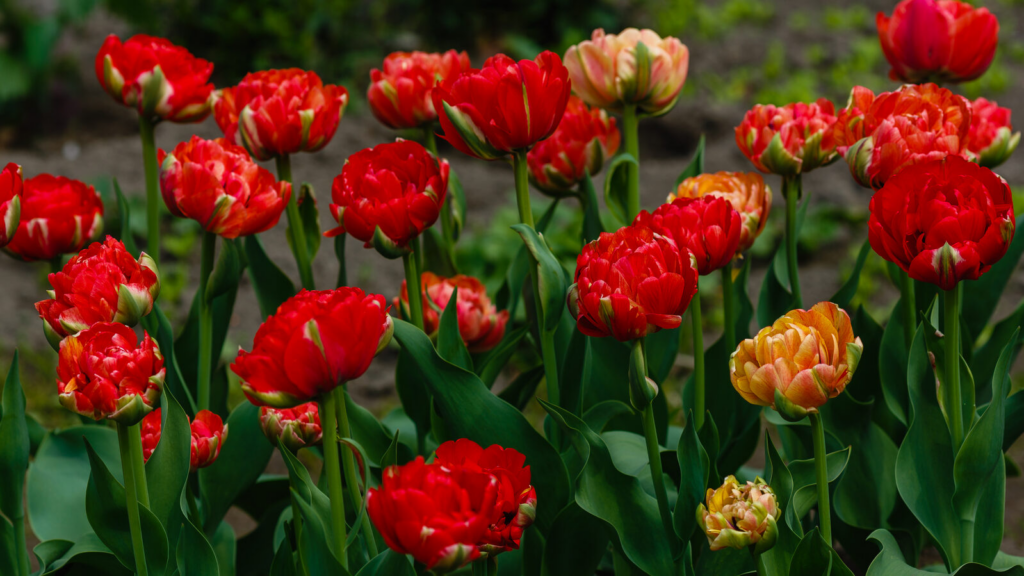
Tulips are widely grown for their simple cup-shaped blooms and wide range of colors. Different varieties bloom at different times during spring, allowing gardeners to extend the flowering season by planting several types together. Tulips also work well as cut flowers for indoor arrangements.
Color: Red, yellow, pink, purple, white, and more
Height: 8–28 inches
Spacing: 4–6 inches apart
Location: Full sun to partial shade
Flowering period: Early to late spring
Lenten Rose (Helleborus spp.)
Lenten rose, also known as hellebore, is a perennial that blooms very early in the season, sometimes while snow is still on the ground. The flowers appear in muted shades such as white, green, pink, and deep burgundy. These plants grow well in shaded areas and are known for being low-maintenance.
Zones: 4–10
Ranunculus
Ranunculus produces layered flowers that resemble small roses. The blooms come in a variety of bright colors and are often used in floral arrangements. These plants prefer mild winters and cooler spring temperatures, making them a good option for many early-spring gardens.
Hyacinth (Hyacinthus spp.)
Hyacinths produce dense clusters of small flowers on upright stems. They are known for their strong fragrance and are often planted near walkways or patios where the scent can be enjoyed. Hyacinths grow well in garden beds, containers, and even indoors if bulbs are forced.
Color: Blue, purple, pink, white, yellow
Height: 6–12 inches
Spacing: 4–6 inches apart
Location: Full sun to partial shade
Flowering period: Mid-spring
Crocus (Crocus spp.)
Crocuses are among the earliest flowers to appear, sometimes blooming while snow is still present. Their small, cup-shaped flowers bring early color to lawns, borders, and rock gardens. Crocus bulbs spread easily over time, creating larger patches of flowers each year.
Color: Purple, white, yellow, striped
Height: 3–6 inches
Spacing: 3 inches apart
Location: Full sun to partial shade
Flowering period: Late winter to early spring
Bleeding Heart
Bleeding heart is known for its arching stems lined with small heart-shaped flowers. It grows best in partial shade and prefers soil that stays evenly moist but drains well. This perennial returns each year and is commonly used in shaded garden beds.
Zones: 3–9
Pansies
Pansies are cool-season flowers often planted early in spring. They grow quickly and produce bright flowers that work well in containers, garden beds, or borders. Pansy flowers are also edible and sometimes used as garnishes in salads or desserts.
Fritillary (Fritillaria spp.)
Fritillaries produce bell-shaped flowers, some of which have a distinctive checkered pattern. These plants grow well in moist soil and partially shaded areas. Certain varieties are also resistant to deer, which makes them useful in gardens where wildlife browsing is common.
Color: Purple, yellow, white, checkered
Height: 6–36 inches
Spacing: 6–8 inches apart
Location: Partial shade
Flowering period: Mid to late spring
Grecian Windflower (Anemone blanda)
Grecian windflowers are low-growing plants that bloom early in spring with small, daisy-like flowers. They are often planted beneath taller spring bulbs or around trees where they can spread and form patches of color. These flowers also attract early pollinators.
Color: Blue, white, pink
Height: 4–6 inches
Spacing: 3–4 inches apart
Location: Partial shade
Flowering period: Early to mid-spring
Viola
Violas are closely related to pansies but typically produce smaller flowers. They tolerate cool temperatures well and often continue blooming through much of the spring season. Violas also self-seed easily, allowing them to return naturally in the garden year after year.
They grow best in well-drained soil with consistent moisture and can be planted in containers or directly in garden beds.
Daffodil (Narcissus spp.)
Daffodils are one of the most recognizable flowers of early spring. Their trumpet-shaped blooms appear in clusters and are known for their bright color and reliability in the garden. Once planted, the bulbs multiply over time, making them a long-lasting addition to many landscapes.
Color: Yellow, white, orange, pink
Height: 6–24 inches
Spacing: 6 inches apart
Location: Full sun to partial shade
Flowering period: Early to mid-spring
Virginia Bluebells
Virginia bluebells are native to parts of the eastern United States and grow well in woodland-style gardens. Their flowers open pink and gradually turn blue as they mature. These plants spread easily in shaded areas and often form groups of flowers that appear early in the season before going dormant later in spring.