At some point, most of us have cleaned out a drawer or attic and tossed a few small trinkets that seemed like nothing more than clutter. Maybe they were souvenirs, little collectibles, or decorative items that once sat on a shelf but no longer seemed important. The surprising truth is that some of those forgotten odds and ends have become highly collectible and can now sell for hundreds or even thousands of dollars.
Over time, everyday objects can take on new value as collectors begin searching for rare examples, discontinued designs, or items tied to a particular era. Vintage toys, costume jewelry, decorative glass, and even small household objects have all found their way into collector markets. Here are some old trinkets that many people once thought were junk but are actually worth serious cash today.
Old Coins
Even small jars of coins can sometimes hold hidden treasures. Rare pennies, nickels, or quarters can be worth far more than their face value, depending on the date and rarity. Some coins have sold for thousands or even millions of dollars.
Boy Scout Memorabilia
Vintage Boy Scout patches, badges, and uniforms are collectible items that represent American history and youth culture. Rare badges or early uniforms can sometimes sell for hundreds of dollars among collectors.
Vintage Advertising Signs
Old advertising signs made from porcelain or metal have become extremely popular among collectors. Signs from well-known brands or businesses can sell for hundreds or even thousands of dollars, depending on their rarity and condition.
Old Postcards
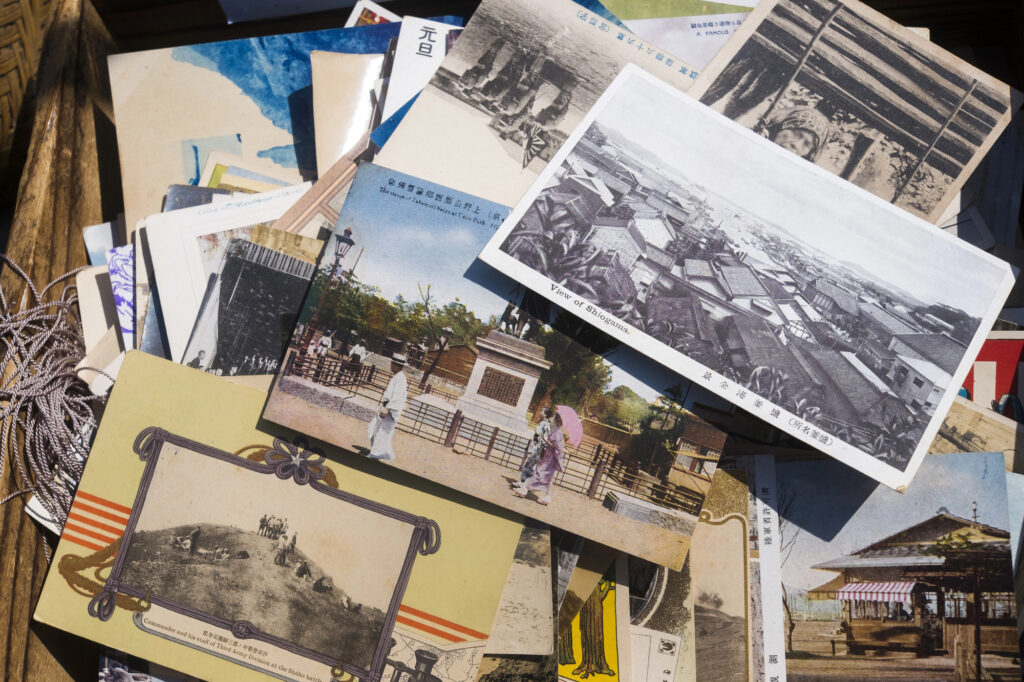
Postcards from the late 1800s and early 1900s are particularly collectible. Known as the “Golden Age of Postcards,” this period produced many beautifully illustrated cards. Rare examples or those tied to historic events can sell for significant prices.
Vintage Lunch Boxes
Metal lunch boxes from the 1950s through the 1980s featuring popular characters or TV shows are now highly collectible. Rare examples featuring shows like Superman or The Jetsons can sell for thousands of dollars if they are in good condition.
Antique Christmas Ornaments
Early 20th-century Christmas ornaments, particularly delicate glass ones from Germany, are highly collectible. Some rare designs can sell for hundreds of dollars each.
Vinyl Records
Vinyl records have made a major comeback, and collectors actively search for rare pressings or first editions. Albums from famous bands like The Beatles can sell for thousands of dollars depending on condition.
First Edition Books
First editions of famous books are prized among collectors and literary enthusiasts. Signed copies or rare printings can command impressive prices at auction.
Vintage Pyrex
Colorful Pyrex dishes from the mid-20th century have become a favorite among collectors. Rare patterns can sell for hundreds or even thousands of dollars today.
Old Comic Books
Comic books from the early days of superhero publishing can be incredibly valuable. Some rare issues featuring characters like Superman or Spider-Man have sold for millions.
Baseball Cards
Vintage baseball cards are among the most valuable collectibles in the world. Cards featuring legendary players like Mickey Mantle can sell for millions of dollars depending on rarity and condition.
Vintage Brooches and Pins
Brooches were pinned onto dresses, coats, scarves, or even hats. Some were delicate floral designs, while others were bold and playful shapes, birds, butterflies, or sparkling rhinestone clusters.
A brooch could instantly transform a simple outfit into something memorable. Today, they can be worth some cash.
Related: Old-School Kitchen Wisdom From Grandma That Still Works Today
Limoges Boxes
Limoges boxes are small hinged porcelain boxes that originated in Limoges, France, in the late 1700s. They were originally used to hold snuff, but eventually became collectible decorative pieces.
Because they are hand-painted and often produced in limited quantities, some vintage Limoges boxes can sell for hundreds or even thousands of dollars.
Vintage Fruit Salad Jewelry
Inspired by Cartier’s colorful gemstone jewelry designs in the 1920s, fruit salad jewelry features brightly colored stones carved into shapes resembling leaves, flowers, or fruit.
Later, costume jewelry makers recreated the style using glass or synthetic stones. Vintage pieces from well-known designers can sell for hundreds or even thousands of dollars today.
Weller Ceramic Animal Figurines
Weller Pottery was a well-known American ceramics company during the late 19th and early 20th centuries. One of its popular lines included charming animal figurines designed by artist Charles Upjohn. Authentic pieces marked with the Weller signature can be highly collectible and sometimes sell for hundreds of dollars or more.
Vintage Perpetual Desk Calendars
Perpetual calendars were popular desk accessories during the mid-20th century. These clever devices allowed users to adjust the date manually so the calendar could be used year after year. Mid-century examples made from brass, wood, or Bakelite are now sought after by collectors and can sell for good prices.
Sterling Silver Souvenir Spoons
Souvenir spoons first became popular in the United States in the late 1800s. They were often sold as keepsakes from travel destinations, world fairs, or historical events. Because many are made of sterling silver and feature detailed designs, some collectible examples can be worth significant amounts today.
Vintage Advertising Tins
Old metal tins that once held candy, tobacco, baking powder, or other products have become collectible pieces of advertising history. Their colorful graphics and vintage brand logos give collectors a glimpse into the past. Rare tins in good condition can sell for hundreds of dollars.
Vintage Thimbles
Thimbles were once essential tools for hand sewing, and many were decorated or made from materials such as silver or porcelain. Today, collectors appreciate them for both their craftsmanship and their historical connection to everyday life. Certain antique thimbles can be surprisingly valuable.
Antique Match Strikers
Before disposable lighters became common, many homes used decorative match holders that included a striking surface. These match strikers were often made from ceramic, metal, or glass and designed to be both functional and decorative. Well-preserved examples can sell for good prices among collectors.
Antique Lighters
Vintage lighters are prized for their mechanical ingenuity and stylish designs. Some were produced by luxury brands like Cartier or Chanel, while others feature intricate mechanisms that make them fascinating collector pieces. Depending on age and maker, certain antique lighters can sell for hundreds or even thousands of dollars.
Lalique Art Glass Perfume Bottles
René Lalique was a famous French glass designer known for creating beautiful perfume bottles and art glass. His designs are admired for their craftsmanship and artistic detail. Authentic Lalique bottles can be extremely valuable and are considered collectible works of art.
Celluloid Vanity Boxes
Celluloid vanity boxes became popular in the late 19th and early 20th centuries when early plastics were first introduced. These decorative boxes often feature images of Gibson girls, flowers, or other ornate designs. Well-preserved examples can sell for impressive prices among collectors of early plastic items.
Other Posts You Might Like
- 20 Collectibles in Your Parents’ House That Could Be Worth a Fortune
- 13 Random Items in Your Home That Could Be Worth Thousands
- From Oil Lamps to Porcelain Pigs, These Are the Strangest Things People Collect
- 13 Garage Sale Items That Collectors Actively Look For (and Pay Well For)
- 17 Everyday Items in Your Kitchen That Are Secretly Valuable