Your pantry might seem like one of the safest places in your kitchen. After all, it’s where shelf-stable foods live: canned goods, dry pasta, spices, and baking supplies that can sit for months or even years.
But that long shelf life can also lead to a problem many people overlook: forgotten ingredients. Items pushed to the back of the pantry can quietly sit for far longer than they should. Over time, some foods can spoil, grow mold, turn rancid, or attract pests, potentially creating health risks.
Regularly checking your pantry and rotating older items to the front can help keep your kitchen safer. Here are some forgotten pantry staples that could become harmful if they sit too long.
Expired Condiments
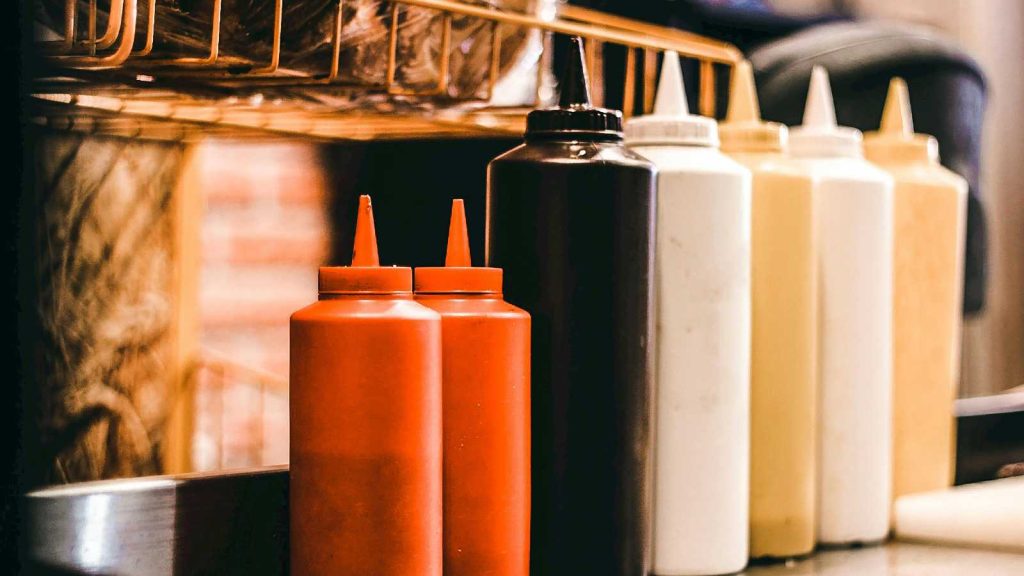
Shelf-stable condiments like ketchup, mustard, and soy sauce eventually lose quality after their expiration dates. Once opened, they may also grow bacteria if left at room temperature for too long.
If the color, smell, or texture has changed, it’s safest to discard them.
Expired Canned Goods
Canned foods are convenient and often last for years, but they aren’t meant to last forever. Over time, the protective seal on a can can weaken, especially if the can becomes dented, rusted, or damaged.
In rare cases, spoiled canned goods can allow harmful bacteria such as Clostridium botulinum to grow, which can lead to botulism. If a can is bulging, leaking, or smells unusual when opened, it’s best to throw it away.
Rancid Cooking Oils
Cooking oils like olive oil, canola oil, and vegetable oil slowly break down when exposed to light, air, or heat. As oils age, they can turn rancid and develop an unpleasant smell or bitter taste.
Rancid oils contain compounds that may irritate the digestive system and reduce the nutritional value of your food. If your oil smells stale or sharp, it’s time to replace it.
Moldy Flour
Flour is a kitchen staple, but it doesn’t last indefinitely. If stored in warm or humid conditions, flour can develop mold or attract pantry pests like weevils.
Some types of mold produce mycotoxins, which can be harmful if consumed. Storing flour in airtight containers in a cool, dry place or even in the freezer can help extend its shelf life.
Old Spices
Spices don’t necessarily spoil quickly, but they do lose their flavor and quality over time. Ground spices in particular can become stale after sitting for years.
Moisture exposure can also lead to mold growth in certain spices. If a spice smells weak or has clumped together, it may be time to replace it.
Improperly Stored Rice or Grains
Rice and grains stored for long periods can attract pantry pests such as moths or beetles. If containers are not sealed properly, these insects can contaminate food.
In some cases, certain grains may also contain trace amounts of naturally occurring substances like arsenic. Rinsing rice before cooking and storing grains in sealed containers can help reduce potential risks.
Old Powdered Drink Mixes
Powdered drink mixes can last a long time, but exposure to moisture can cause clumping and mold growth. Over time, the ingredients may also degrade and lose flavor.
If the powder has hardened, changed color, or smells unusual, it’s safest to discard it.
Forgotten Baking Soda
Baking soda is known for its long shelf life, but it can lose its effectiveness over time. When stored for years, it may absorb odors and moisture from the surrounding environment.
While old baking soda is unlikely to be dangerous, it may not work properly in recipes or baking.
Fermented or Spoiled Honey
Honey is famous for its extremely long shelf life, but it can still change if stored improperly. Exposure to moisture can cause fermentation, which may lead to sour smells or foaming.
If honey develops an unusual odor or texture, it’s best not to consume it.
Old Peanut Butter
Natural peanut butter is especially prone to spoilage because it contains oils that can turn rancid. Even commercial versions can eventually develop off-flavors if stored too long.
If peanut butter smells sour or tastes bitter, it may have spoiled.
Dry Pasta Stored Too Long
Dry pasta typically lasts a long time, but it can still be affected by moisture and pantry pests. If pasta absorbs humidity, it may develop mold or become infested with insects.
Keeping pasta sealed in airtight containers can help protect it.
Tea Bags
Tea bags can slowly lose flavor and aroma over time. When stored in warm or humid environments, they may also develop mold.
Storing tea in airtight containers away from moisture can help preserve freshness.
Salt Blends With Additives
Plain salt lasts almost indefinitely, but flavored salts or seasoning blends that contain herbs and spices may spoil over time.
If these blends are exposed to air or humidity, they may develop mold or clump together.
Powdered Milk
Powdered milk is often kept for long-term storage, but it can eventually spoil. Signs include yellowing, clumping, or a sour smell.
Consuming spoiled powdered milk may lead to digestive discomfort or foodborne illness.