Everyday life is built around convenience. Food is easy to buy, water is expected to be clean, and directions are always a tap away. As a result, many basic skills that people once relied on have faded into the background. We rarely have to fix things ourselves or solve problems without help.
But when normal systems are disrupted even briefly, those basic skills become important again. Power outages, supply shortages, or unexpected emergencies can turn small problems into serious ones. Knowing simple survival skills can help you stay safe, make better decisions, and get through stressful situations with more confidence.
These aren’t extreme or outdated skills. They’re practical, common-sense abilities that anyone can learn, and they could make a real difference when things don’t go as planned.
How to Start a Fire
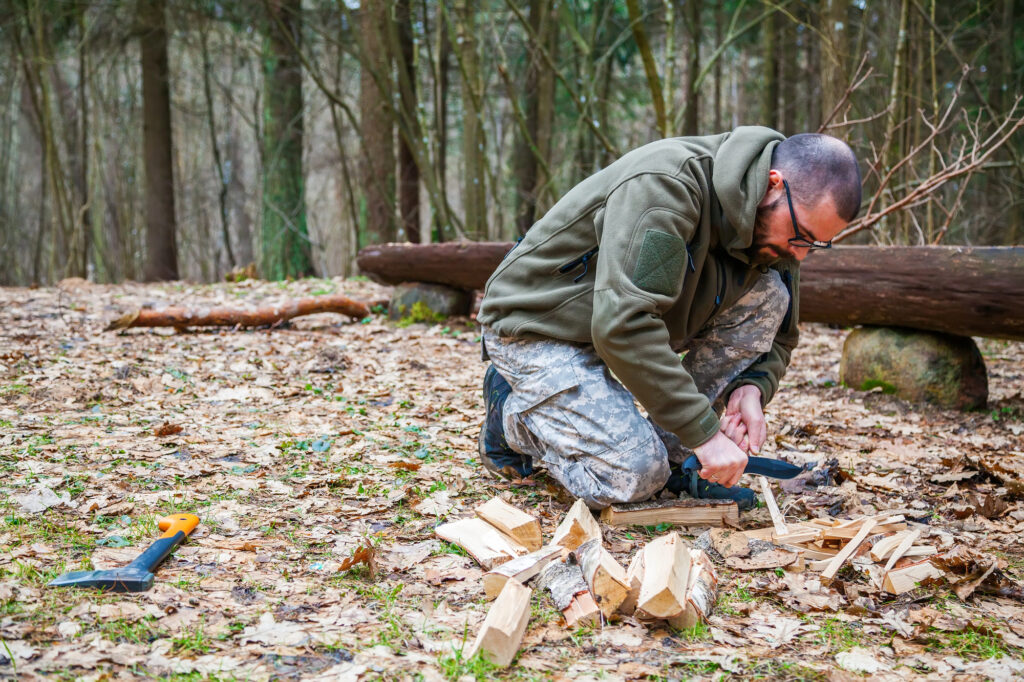
Starting a fire may sound simple, but doing it reliably, especially without modern tools, requires real expertise and practice. Sure, matches or a lighter make it easier, but they’re only part of the equation. You still need to know how to build a proper fire using the right materials, like dry tinder and kindling, to get it going and keep it burning.
It’s also a smart move to get comfortable with backup methods, such as a ferro rod or a magnesium stick. And if you really want to test your skills, try learning traditional friction techniques like the bow drill or hand drill. They take effort, but in a pinch, they could mean the difference between warmth and exposure.
Sourcing Water

When clean, running water isn’t available, knowing how to find it in the wild becomes one of the most important survival skills you can have. It’s not just about spotting a stream; sometimes water is hidden, and you’ll need to read the landscape to find it.
Certain plants, low-lying areas, or damp ground can all be clues that water is nearby. In some cases, knowing where and how to dig could mean the difference between staying hydrated and facing serious danger. Being able to locate and safely collect water is a vital skill that every prepared person should possess.
Purifying Water
After locating a water source, the next step is learning how to purify it for safe consumption. While access to clean drinking water is a convenience many of us take for granted today, knowing how to purify water is an essential skill that could prove invaluable in a survival situation.
10 Reliable Ways to Purify Water Every Prepper Should Know
Mastering a Knot

It may seem like a basic skill, but the ability to tie a knot is one that many people overlook. However, in a survival situation, knowing how to tie a knot can be critical. Whether you’re securing a shelter, creating a makeshift tool, fishing, or even rescuing someone, a well-tied knot can mean the difference between success and failure.
Navigation
With GPS in our pockets, getting from point A to point B has never been easier, but it’s also made many of us forget how to navigate without it. Relying too heavily on technology means that when your device loses signal or runs out of battery, you may be left completely at a loss.
That’s why learning basic navigation skills is still so important. Knowing how to read a map, use a compass, and even find direction using natural clues can help you stay on track when modern tools are unavailable.
How to Sew and Repair Clothes
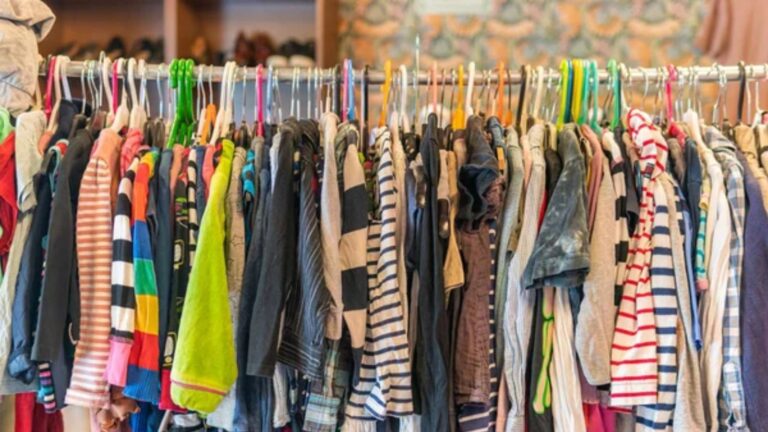
Sewing might seem like a lost art, but it’s one of those practical skills that really comes in handy when resources are limited. Being able to mend your own gear can make a big difference.
Whether you’re fixing a backpack strap, sewing up a ripped shirt, or making simple repairs around the house, basic sewing skills help you stretch what you have and avoid waste. In a survival situation, they could even help you stay warm, dry, and prepared with what’s already on hand.
Sewing is quietly returning, and a new generation of makers is embracing the skill
Building Shelter
Being able to build a shelter is one of the most essential survival skills you can have. Having some know-how can help you stay safe, dry, and protected. It’s not just about piling up sticks—you need to understand how to work with your environment.
Knowing how to pick the best spot, use natural materials, and build something sturdy can make all the difference when nature isn’t on your side.
How to Forage

Knowing how to find edible plants, berries, nuts, and mushrooms in the wild can be a real lifesaver when food is scarce. It’s a skill that allows you to tap into what nature already provides, no matter where you are. But it’s not as simple as picking whatever looks good—some plants have toxic lookalikes that can be dangerous if you don’t know the difference.
20 Survival Foods You Can Forage in Your Own Neighborhood
Hunting for Your Own Food

Hunting and trapping require more than just grabbing a rifle and heading out to find food, especially if you’ve never done it before. It’s important to learn how to track animals, set up snares, and, most importantly, properly process the animal once you’ve caught it. These skills take practice and are essential for providing food for survival.
Using Herbal and Natural Medicine

Long before modern medicine, people turned to plants and natural remedies to treat everyday illnesses. This knowledge was passed down through generations and formed the backbone of early healing practices. While we often reach for over-the-counter solutions today, many of the same plants remain just as useful.
Understanding how to use nature’s medicine cabinet can be a valuable skill, especially when access to pharmacies or doctors isn’t guaranteed.
Washing Clothes By Hand
Washing your clothes by hand can reduce reliance on electricity or gas-powered washers and dryers. It also helps save energy, reduces your carbon footprint, and prolongs the lifespan of your clothes.
Fishing
Fishing is more than just casting a line and hoping for the best. To be successful, you need to understand the environment you’re working with—what kinds of fish are in the water, what they’re likely to bite, and when they’re most active. Choosing the right bait makes a big difference, and knowing how to tie your own lines or craft simple lures can really improve your chances.
Related: How to Fish for Food: A Beginner’s Guide
Making Homemade Cleaning Products
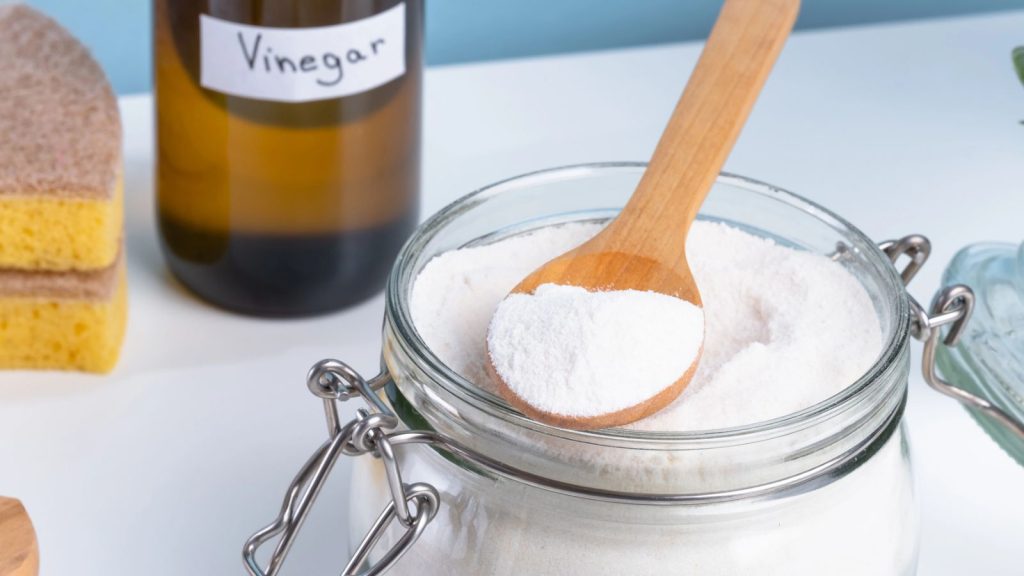
When you can’t run to the store for disinfectant or cleaning sprays, mixing your own with basic supplies can help you stay on top of hygiene and reduce the risk of illness. It’s a practical skill that helps keep your living space healthier, regardless of the circumstances.
9 All-Natural Cleaning Products You Can Make at Home
Food Preservation
Food preservation, such as smoking and dehydrating without electricity, is an important skill for survival. Knowing how to do it properly ensures that your food remains safe and doesn’t spoil, which is especially crucial when resources are limited and every bit of food is valuable.
Gardening
Gardening for fun is quite different from growing food to sustain yourself. It’s essential to learn how to harvest and save seeds to ensure future crops. Additionally, understanding how to nourish your soil naturally without relying on products like Miracle-Gro is important.
Raising Animals
Outside of farmers, not many people raise animals like chickens, ducks, cows, goats, or bees. However, animal husbandry is still a useful skill to learn. It’s important to know how to build the right fencing, provide shelter, and understand the specific needs for feeding and basic care.
Predicting the Weather
Knowing when a severe storm is coming saves lives. Learning to read the clouds or observe animal activity was a way our ancestors predicted the weather.
Cooking Outside Without Modern Equipment
Cooking outside over an open fire used to be the everyday norm. To master this skill, it’s helpful to learn how to use cast-iron pots and pans, which are durable and perfect for outdoor cooking. Taking Dutch oven classes can also teach you traditional cooking methods and help you tap into these old-fashioned techniques.
Cooking From Scratch
Learning to cook from scratch gives you control over the ingredients, flavors, and nutritional value of your meals. It is a survival skill we should all know.
Meat Preservation
Knowing how to preserve meat without a fridge is a skill that can stretch your food supply when resources are limited. Techniques such as smoking, salting, or curing have been used for generations to preserve meat, keeping it safe and edible for weeks or even months.