If your garbage disposal keeps jamming, humming without spinning, or backing up the sink, it’s probably not “just old.” In most cases, it’s being fed things it was never designed to handle.
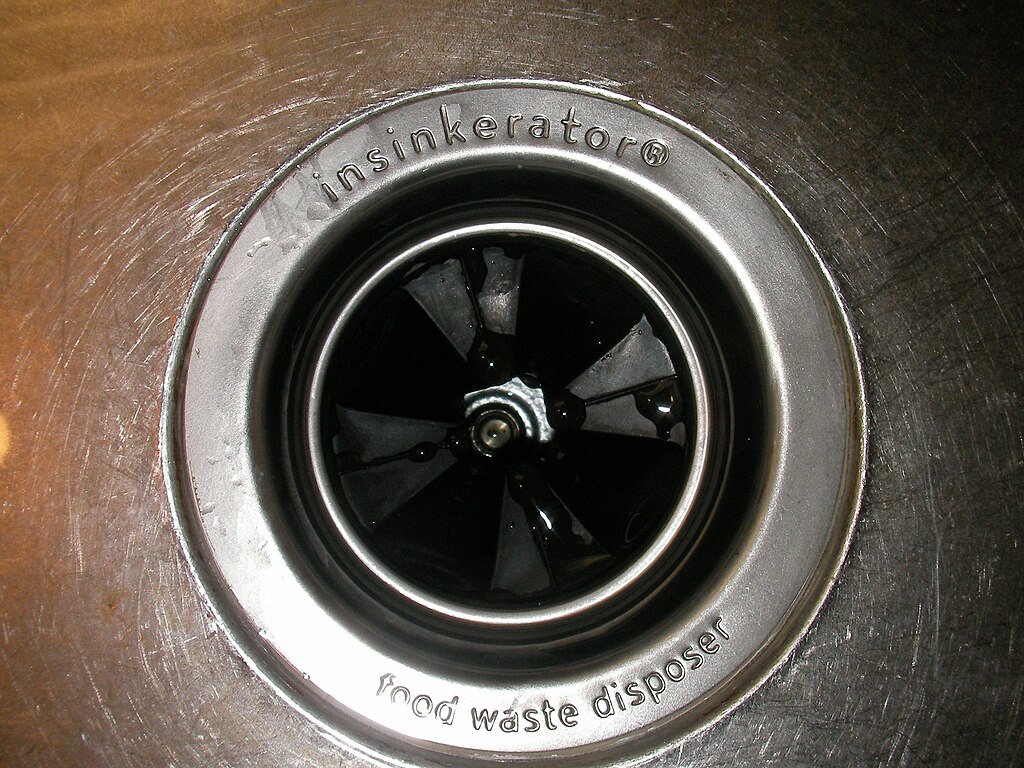
A disposal isn’t a trash can with blades; it’s a small motorized grinder built to handle soft food scraps in moderation. When you regularly put the wrong items down there, you’re slowly coating the blades, straining the motor, and clogging your pipes.
Here’s what’s likely causing the problem and why you need to stop putting these things in immediately.
Grease, Oil, and Animal Fat
This is the number one disposal killer. Grease and fats go down as liquids, which makes them seem harmless, but they quickly cool and harden inside the unit and pipes. Over time, they coat the blades and interior walls, reducing grinding efficiency and creating sticky buildup that traps other food particles.
Eventually, that buildup turns into thick blockages deeper in the plumbing. If your sink drains slowly or smells bad, grease is often the hidden culprit.
Eggshells
There’s a myth that eggshells help “sharpen” the blades. They don’t. Instead, they break into gritty particles that settle in pipes, forming sludge. Even worse, the thin membrane inside the shell can wrap around the grinding ring, causing jams.
They may look harmless, but repeated use can lead to buildup and motor strain.
Bones
Most household disposals aren’t built to grind dense bones. Hard materials can dull or chip internal components, forcing the motor to work harder than it should. Small bones often get lodged in the grinding chamber or down the drain, leading to stubborn clogs.
If your disposal suddenly makes loud rattling noises, bones could be to blame.
Fibrous Vegetables (Celery, Corn Husks, Asparagus)
Stringy vegetables are notorious for wrapping around the grinding mechanism. Instead of breaking down, the fibers twist and tangle, eventually jamming the system. Once wrapped, they’re difficult to remove without disassembling the unit.
These foods also travel into the pipes and slowly collect into larger blockages over time.
Potato Peels

Potato peels turn into a starchy paste when ground. That paste sticks to blades and lines the pipes, reducing flow and increasing the risk of clogs. A few peels may not cause immediate problems, but repeated dumping can quickly build up into a thick blockage.
Pasta and Rice
Both pasta and rice continue to absorb water even after cooking. Once inside your disposal, they swell, clump together, and form a glue-like mass. That sticky buildup coats the unit and traps other debris, leading to stubborn clogs.
If your disposal hums but doesn’t drain properly, expanding food may be the issue.
Coffee Grounds
Coffee grounds look fine and sandy, but they don’t dissolve. Instead, they accumulate into a dense sludge that settles in pipes and sticks to the residue already lining the drain. Over time, that sludge contributes to slow drainage and odor issues.
Fruit Pits and Large Seeds
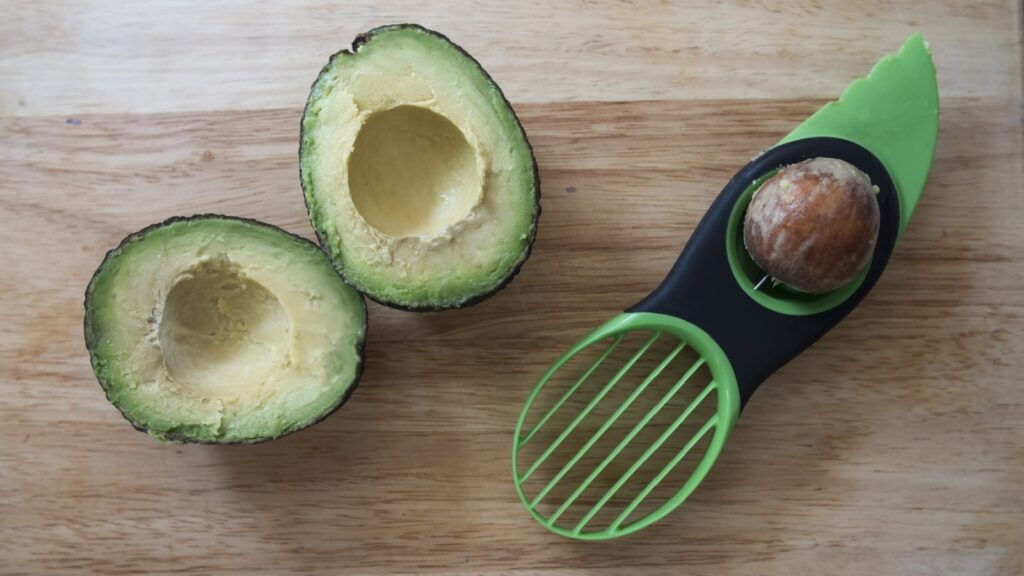
Avocado pits, peach pits, and similar hard seeds are too dense for most disposals. They can damage internal components or get stuck inside the grinding chamber. Even if they make it past the blades, they can lodge further down the line.
Onion Skins
Onion skins contain thin, slippery membranes that cling to disposal blades. Like fibrous vegetables, they wrap and jam the mechanism, reducing grinding ability and requiring manual removal.
Seafood Shells
Shrimp, crab, and lobster shells are sharp and abrasive. They’re hard to grind and can dull internal components. Tiny shell fragments also travel down pipes and contribute to long-term buildup.
Nuts and Seeds
When ground, nuts release oils, forming a thick paste that clings to the disposal and pipes, similar to peanut butter. This sticky residue traps food particles, leading to stubborn clogs.
Large Food Scraps
Garbage disposals are designed for small scraps, not entire leftovers. Shoving large chunks of food into the unit overloads the motor, causes jams, and increases the risk of burnout. When the motor repeatedly strains, failure is only a matter of time.
Non-Food Items
Rubber bands, plastic, twist ties, or small pieces of metal can instantly jam or permanently damage a disposal. These items can bend internal parts or burn out the motor entirely.